



AD
2,3,4,6-Tetrakis-O-(phenylmethyl)-D-galactopyranose(CAS: 6386-24-9)
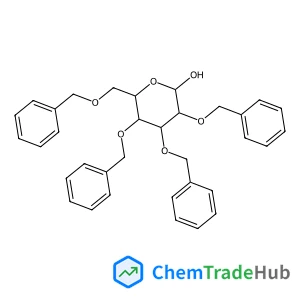
CAS Number
Related Products
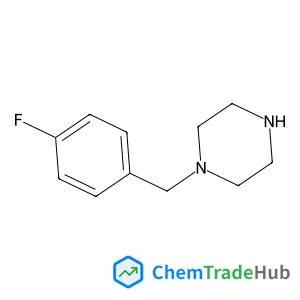
1-(4-Fluorobenzyl)piperazine
CAS Number: 70931-28-1
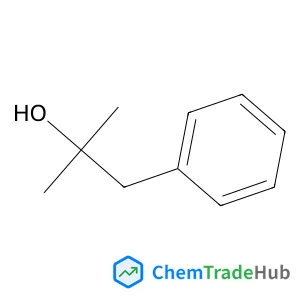
2-Methyl-1-Phenyl-2-Propanol
CAS Number: 100-86-7
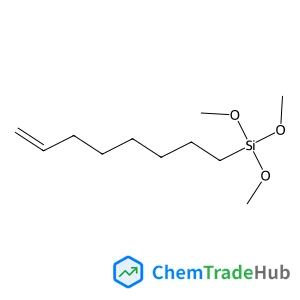
Trimethoxy(7-octen-1-yl)silane
CAS Number: 52217-57-9
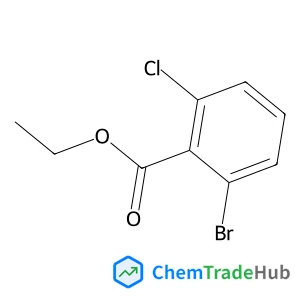
Ethyl 2-bromo-6-chlorobenzoate
CAS Number: 933672-18-5
![Hydrogen [hydroxy(oxo)silyl]silicate](https://static.chemtradehub.com/structs/148/14808-60-7-ed6a.webp)
Hydrogen [hydroxy(oxo)silyl]silicate
CAS Number: 14808-60-7

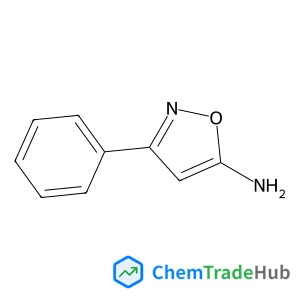
3-Phenyl-1,2-oxazol-5-amine
CAS Number: 4369-55-5
Other Suppliers for 2,3,4,6-Tetrakis-O-(phenylmethyl)-D-galactopyranose






Basic Information
Molecular Formula
C34H36O6
Molecular Weight
540.65 g/mol
Physical Properties
Melting Point
63.0 to 67.0 deg-C
Boiling Point
672.4±55.0 °C at 760 mmHg
Density
1.22±0.1 g/cm3 (20 ºC 760 Torr),
Flash Point
360.4±31.5 °C
Chemical Identifiers
SMILES
C1=CC=C(C=C1)COCC2C(C(C(C(O2)O)OCC3=CC=CC=C3)OCC4=CC=CC=C4)OCC5=CC=CC=C5
InChIKey
OGOMAWHSXRDAKZ-BJPULKCASA-N
Database References
MDL Number
MFCD00132927
FAQ
2,3,4,6-Tetrakis-O-(phenylmethyl)-D-galactopyranose (CAS: 6386-24-9) falls under the regulatory guidelines of the Globally Harmonized System of Classification and Labelling of Chemicals (GHS). It is also subject to the European Union's Registration, Evaluation, Authorization, and Restriction of Chemicals (REACH) regulations. In the United States, it must comply with the requirements of the Food and Drug Administration (FDA) and the Environmental Protection Agency (EPA).
While 2,3,4,6-Tetrakis-O-(phenylmethyl)-D-galactopyranose (CAS: 6386-24-9) is a specific compound, there are alternatives such as other galactopyranoses or related glycosides that can serve as effective substitutes in synthesis, depending on the desired properties and reaction conditions. Common alternatives include 2,3,4-Tri-O-acetyl-D-galactopyranose and 2,3,4,6-Tetrakis-O-acetyl-D-galactopyranose.
The market for 2,3,4,6-Tetrakis-O-(phenylmethyl)-D-galactopyranose (CAS: 6386-24-9) is currently stable, with increasing research focusing on its potential applications in pharmaceuticals and natural product synthesis. Recent trends indicate a growing interest in its use as a building block for complex glycosidic structures in medicinal chemistry. Additionally, there is ongoing exploration of its biochemical properties and potential in biotechnology applications.
Waste containing 2,3,4,6-Tetrakis-O-(phenylmethyl)-D-galactopyranose (CAS: 6386-24-9) should be collected in suitable containers and disposed of through regulated waste treatment facilities. Incineration is a common method for disposing of this waste, provided it meets the temperature requirements for complete combustion. It is essential to follow local environmental protection guidelines and ensure that any incineration or disposal methods do not release harmful contaminants into the environment. Additionally, proper documentation and labeling of the waste are necessary for compliance with regulatory standards.
Safety Notice
Please verify product specifications and safety data before use. Contact the supplier for detailed safety information.
Always follow proper handling procedures
Contact Information
Contact Person
Aladdin
market@aladdin-e.com