



AD
N-(4-Chlorophenyl)-3-oxobutanamide(CAS: 140-49-8)
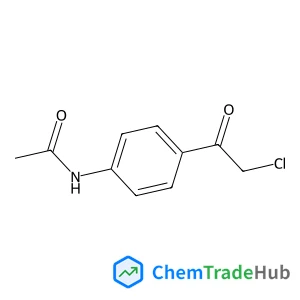
CAS Number
Other Suppliers for N-(4-Chlorophenyl)-3-oxobutanamide



Basic Information
Molecular Formula
C10H10ClNO2
Molecular Weight
211.65 g/mol
Physical Properties
Melting Point
210-212 ºC
Boiling Point
303°C (rough estimate)
Flash Point
110 ºC
Water Solubility
<0.1 g/100 mL at 19 ºC
Chemical Identifiers
SMILES
CC(=O)NC1=CC=C(C=C1)C(=O)CCl
InChIKey
JMRJWEJJUKUBEA-UHFFFAOYSA-N
Database References
MDL Number
MFCD00040869
FAQ
What are the physical and chemical properties of N-(4-Chlorophenyl)-3-oxobutanamide (CAS: 140-49-8)?
N-(4-Chlorophenyl)-3-oxobutanamide (CAS: 140-49-8) is a white crystalline solid. Its molecular weight is approximately 210.01 g/mol. This compound is slightly soluble in water and has good solubility in organic solvents such as ethanol and acetonitrile. It is moderately reactive, particularly towards nucleophiles and bases, and it can undergo amide hydrolysis under basic conditions.
N-(4-Chlorophenyl)-3-oxobutanamide (CAS: 140-49-8) can be synthesized by reacting 4-chlorophenylacetic acid with acetic anhydride in the presence of a catalytic amount of a Lewis acid such as aluminum trichloride. The reaction is typically conducted in a non-polar organic solvent like toluene under reflux conditions. The yield is usually around 80-85%, and the product can be isolated by recrystallization from ethanol.
N-(4-Chlorophenyl)-3-oxobutanamide (CAS: 140-49-8) is primarily used in the pharmaceutical industry as an intermediate in the synthesis of various drugs. It is also utilized in the polymer industry for its amide functionality, which can be used in the production of coatings and adhesives. Additionally, it can be employed in the manufacturing of sensors and semiconductors due to its chemical reactivity.
When handling N-(4-Chlorophenyl)-3-oxobutanamide (CAS: 140-49-8), it is essential to wear appropriate personal protective equipment (PPE), including gloves, goggles, and a lab coat. Work should be conducted in a well-ventilated area or a fume hood. Spills should be cleaned up using absorbent materials and disposed of according to local regulations. Always consult the Safety Data Sheet (SDS) for detailed handling and disposal guidelines.
Safety Notice
Please verify product specifications and safety data before use. Contact the supplier for detailed safety information.
Always follow proper handling procedures
Contact Information
pmbio03@163.com