



AD
2-Chloroacrylic acid(CAS: 598-79-8)
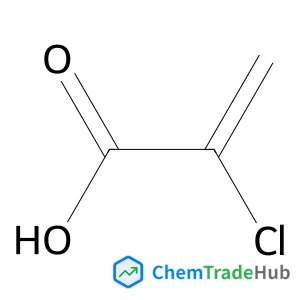
CAS Number
Related Products
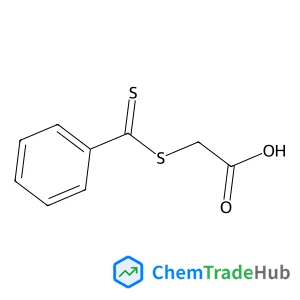
S-(Thiobenzoyl)thioglycolic acid
CAS Number: 942-91-6
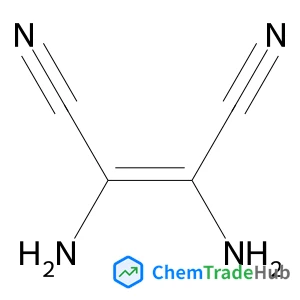
(2Z)-2,3-Diamino-2-butenedinitrile
CAS Number: 1187-42-4
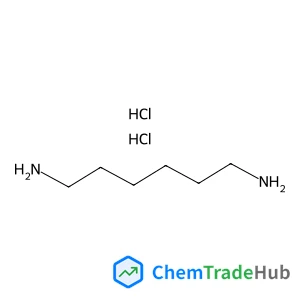
1,6-Diaminohexane Dihydrochloride
CAS Number: 6055-52-3
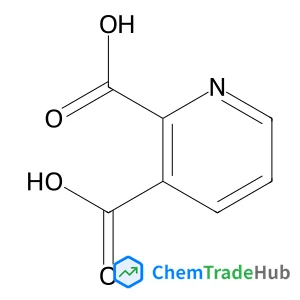
2,3-Pyridinedicarboxylic acid
CAS Number: 89-00-9
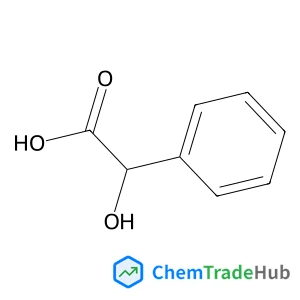
2-hydroxy-2-phenylacetic acid
CAS Number: 90-64-2
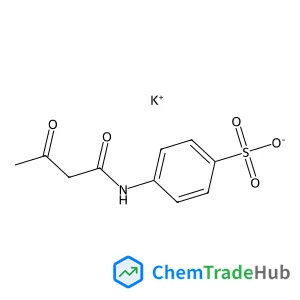
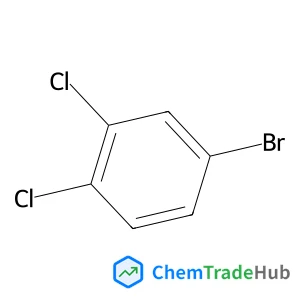
4-Bromo-1,2-dichlorobenzene
CAS Number: 18282-59-2
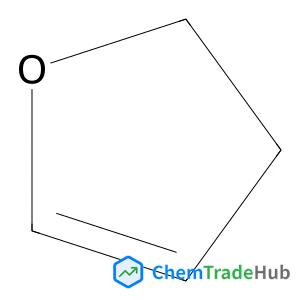
2,3-Dihydrofuran
CAS Number: 1191-99-7
Other Suppliers for 2-Chloroacrylic acid





Basic Information
Molecular Formula
C3H3ClO2
Molecular Weight
106.51 g/mol
Physical Properties
Melting Point
65 ºC
Boiling Point
118.27°C (rough estimate)
Flash Point
73.1 °C
Water Solubility
Soluble in water.
Chemical Identifiers
SMILES
C=C(C(=O)O)Cl
InChIKey
SZTBMYHIYNGYIA-UHFFFAOYSA-N
Database References
MDL Number
MFCD00014336
Beilstein Registry Number
1098503
FAQ
2-Chloroacrylic acid, also known as 2-chloro-2-propenoic acid (CAS: 598-79-8), is an organic compound with the molecular formula C3H3ClO2. It is a colorless to light yellow liquid with a characteristic odor. It is miscible with water and has a pungent, acrid smell.
2-Chloroacrylic acid is primarily used in the synthesis of various organic compounds, pharmaceuticals, and agrochemicals. It serves as a building block in the production of monomers for polymers and as an intermediate in the manufacture of other chlorinated acrylic compounds. Additionally, it is utilized in the formulation of certain pesticides and herbicides.
2-Chloroacrylic acid (CAS: 598-79-8) can be hazardous if not handled properly. It is a corrosive substance and may cause severe burns upon contact with skin or eyes. Proper personal protective equipment (PPE) such as gloves, goggles, and a lab coat is essential when working with this compound. Direct contact with skin and eyes should be avoided, and adequate ventilation should be maintained.
2-Chloroacrylic acid (CAS: 598-79-8) should be stored in a cool, dry place away from direct sunlight and heat sources. Containers should be tightly sealed to prevent evaporation and contamination. It should be kept in a well-ventilated area and away from incompatible materials such as strong bases, amines, and reducing agents. The storage area should have spill containment and emergency eyewash/shower facilities nearby for safety purposes.
Safety Notice
Please verify product specifications and safety data before use. Contact the supplier for detailed safety information.
Always follow proper handling procedures