



AD
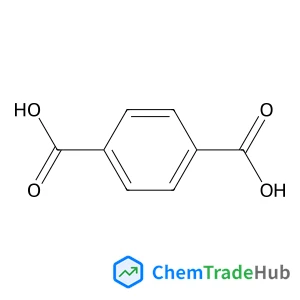
Terephthalic acid(CAS: 100-21-0)
CAS Number
Related Products
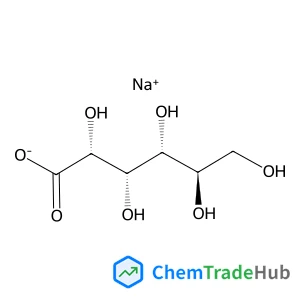
Sodium D-gluconate
CAS Number: 527-07-1
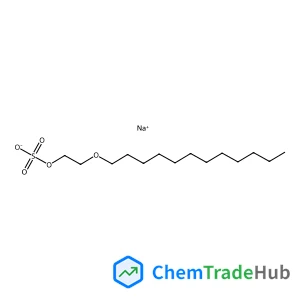
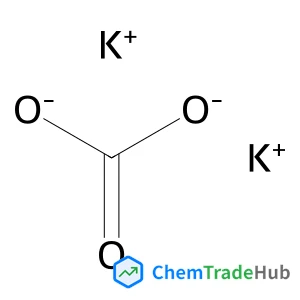
Dipotassium carbonate
CAS Number: 584-08-7
Sodium C14-16 olefin sulfonate
CAS Number: 68439-57-6
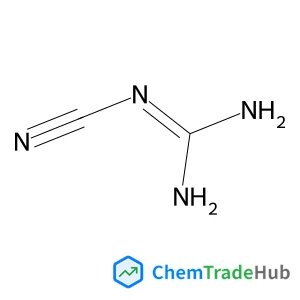
2-cyanoguanidine
CAS Number: 461-58-5
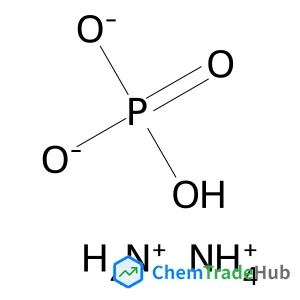
Diammonium phosphate
CAS Number: 7783-28-0
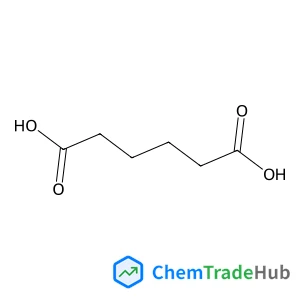
Adipic Acid
CAS Number: 124-04-9
Other Suppliers for Terephthalic acid




Basic Information
Molecular Formula
C8H6O4
Molecular Weight
166.13 g/mol
Physical Properties
Melting Point
>300 °C (lit.)
Boiling Point
214.32°C (rough estimate)
Flash Point
260°C
Water Solubility
slightly soluble in water (0,017 g/L at 25°C)
Chemical Identifiers
SMILES
OC(=O)c1ccc(cc1)C(=O)O
InChIKey
KKEYFWRCBNTPAC-UHFFFAOYSA-N
Database References
MDL Number
MFCD00002558
Beilstein Registry Number
1909333
FAQ
Terephthalic acid, with the CAS number 100-21-0, is an aromatic dicarboxylic acid commonly used as a precursor in the production of polyethylene terephthalate (PET). Its chemical formula is C8H6O4, and it is a white crystalline solid with a melting point of approximately 300°C. It is soluble in organic solvents and has acidic properties, making it important in various chemical reactions and industrial processes.
Terephthalic acid (CAS: 100-21-0) is widely used in the manufacturing of polyester fibers, plastic bottles, and films. It also serves as a key component in the production of pharmaceuticals, dyes, and other specialty chemicals. Additionally, it is utilized in the synthesis of polyurethanes and as a raw material in research and development for new materials and compounds.
Terephthalic acid (CAS: 100-21-0) is generally considered safe when handled properly. However, it can be harmful if inhaled, ingested, or comes into contact with the skin. Protective measures such as gloves, goggles, and proper ventilation are recommended. Safety standards ensure its controlled use in industrial and research settings to minimize exposure risks.
Terephthalic acid (CAS: 100-21-0) should be stored in a cool, dry, and well-ventilated place, away from moisture and direct sunlight. It is best kept in sealed, airtight containers made of materials like polyethylene to prevent degradation. Storage conditions should maintain a temperature below 25°C and low humidity to preserve its chemical stability and prolong shelf life.
Safety Notice
Please verify product specifications and safety data before use. Contact the supplier for detailed safety information.
Always follow proper handling procedures
Contact Information
83050682@qq.com