



AD
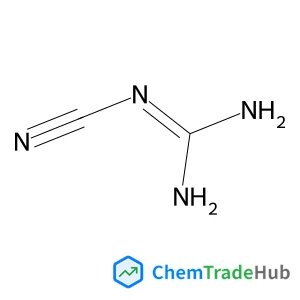
2-cyanoguanidine(CAS: 461-58-5)
CAS Number
Related Products
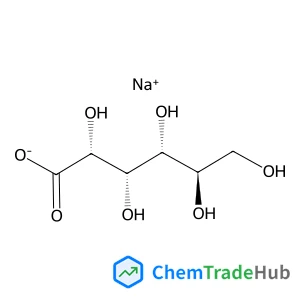
Sodium D-gluconate
CAS Number: 527-07-1
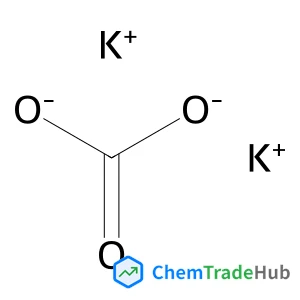
Dipotassium carbonate
CAS Number: 584-08-7
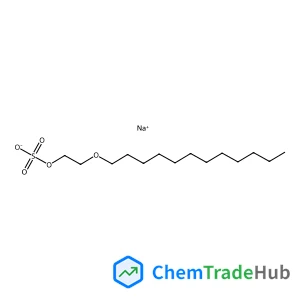
Sodium C14-16 olefin sulfonate
CAS Number: 68439-57-6
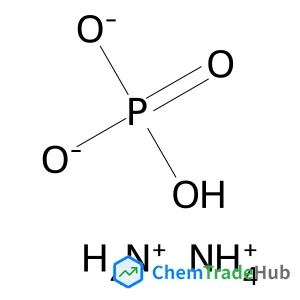
Diammonium phosphate
CAS Number: 7783-28-0
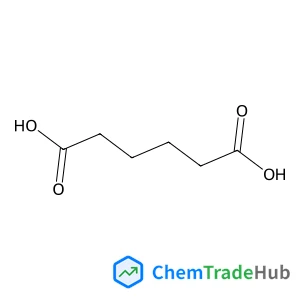
Adipic Acid
CAS Number: 124-04-9
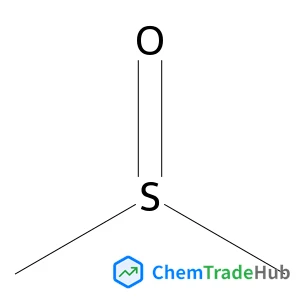
(Methylsulfinyl)methane
CAS Number: 67-68-5
Other Suppliers for 2-cyanoguanidine



Basic Information
Molecular Formula
NH2(NH)CNHCN
Molecular Weight
73.1 g/mol
Physical Properties
Melting Point
208-211 °C (lit.)
Boiling Point
144.35°C (rough estimate)
Flash Point
92.8oC
Water Solubility
32 g/L (20 ºC)
Chemical Identifiers
SMILES
C(#N)N=C(N)N
InChIKey
CHJJGSNFBQVOTG-UHFFFAOYSA-N
Database References
MDL Number
MFCD00008066
Beilstein Registry Number
605637
FAQ
2-Cyanoguanidine is a nitrogen-containing organic compound with the chemical formula C2H3N3O. It is a white crystalline solid that is soluble in water and has a high melting point. This compound is known for its ability to act as a building block in the synthesis of various pharmaceuticals and organic chemicals. Its structure includes a guanidine group with a cyano substituent, making it versatile in chemical reactions and applications.
2-Cyanoguanidine is widely used in pharmaceuticals as an intermediate in the production of drugs like enflurane and desflurane. It also finds applications in organic synthesis, polymer science, and as a reagent in research. Due to its chemical reactivity, it is utilized in the development of agrochemicals and materials science. Its role in synthesizing bioactive compounds makes it valuable in medicinal chemistry and industrial processes.
2-Cyanoguanidine is generally considered safe when handled properly. However, it can be toxic if ingested or inhaled in large quantities. Protective measures such as gloves, goggles, and proper ventilation are recommended during handling. It is important to follow safety standards and guidelines for chemical exposure to ensure safe use in laboratories and industrial settings.
2-Cyanoguanidine should be stored in a cool, dry place away from light. It is typically kept in airtight containers to prevent moisture absorption. Stability is maintained under these conditions, but it is advisable to store it in a well-ventilated area to avoid exposure to air. Proper storage ensures the compound remains safe and effective for use in research and industry.
Safety Notice
Please verify product specifications and safety data before use. Contact the supplier for detailed safety information.
Always follow proper handling procedures
Contact Information
83050682@qq.com