



AD
2-(Hydroxymethyl)-4,5,6,7-tetrahydro-1H-isoindole-1,3(2H)-dione(CAS: 4887-42-7)
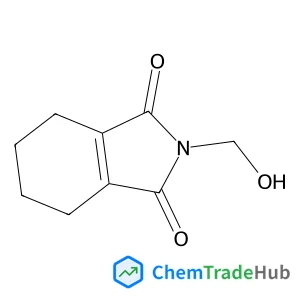
CAS Number
Related Products
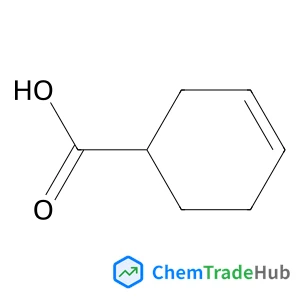
(1S)-3-Cyclohexene-1-carboxylic acid
CAS Number: 5708-19-0
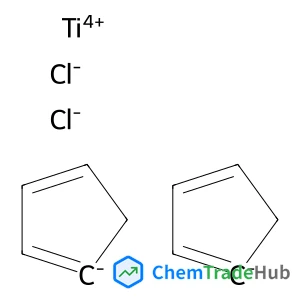
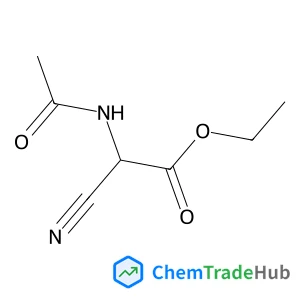
Ethyl Acetamidocyanoacetate
CAS Number: 4977-62-2
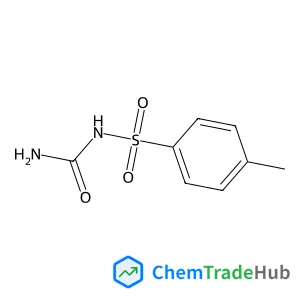
N-Carbamoyl-4-methylbenzenesulfonamide
CAS Number: 1694-06-0
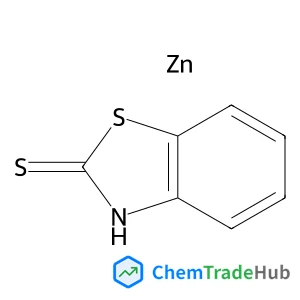
Zinc bis(1,3-benzothiazole-2-thiolate)
CAS Number: 155-04-4
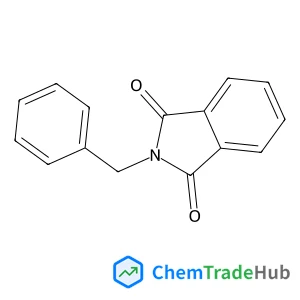
2-Benzyl-1H-isoindole-1,3(2H)-dione
CAS Number: 2142-01-0
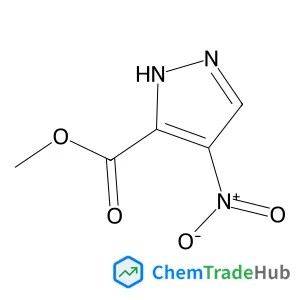
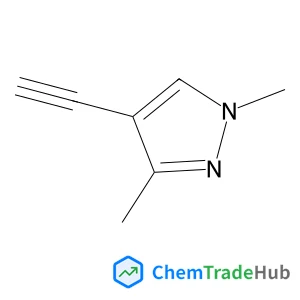
4-Ethynyl-1,3-dimethyl-1H-pyrazole
CAS Number: 61514-53-2
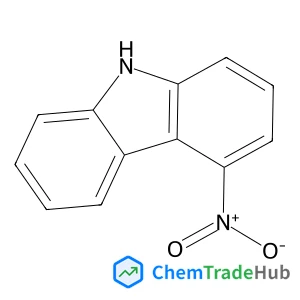
1-Nitro-9H-carbazole
CAS Number: 57905-76-7
Other Suppliers for 2-(Hydroxymethyl)-4,5,6,7-tetrahydro-1H-isoindole-1,3(2H)-dione




Basic Information
Molecular Formula
C9H11NO3
Molecular Weight
181.19 g/mol
Physical Properties
Melting Point
80-84 ºC
Boiling Point
314.29°C (rough estimate)
Chemical Identifiers
SMILES
C1CCC2=C(C1)C(=O)N(C2=O)CO
InChIKey
QQHOVRKETYPQHY-UHFFFAOYSA-N
Database References
MDL Number
MFCD00051728
FAQ
2-(Hydroxymethyl)-4,5,6,7-tetrahydro-1H-isoindole-1,3(2H)-dione (CAS: 4887-42-7) is subject to various regulatory guidelines. It falls under the scope of GHS (Globally Harmonized System of Classification and Labelling of Chemicals) for classification and labelling. In Europe, it is regulated under REACH for registration, evaluation, authorization, and restriction of chemicals. For use in food products, it must comply with FDA (Food and Drug Administration) regulations, and for environmental release, it must follow EPA (Environmental Protection Agency) guidelines.
Several alternatives can be considered in the synthesis of 2-(Hydroxymethyl)-4,5,6,7-tetrahydro-1H-isoindole-1,3(2H)-dione. Analogues such as isomers and structurally similar compounds can be explored. Common alternative reagents include other isoindoles, ketones, and aldehydes. These alternatives can offer similar reactivity profiles and can be chosen based on availability, cost, and compatibility with the desired synthetic route.
The market for 2-(Hydroxymethyl)-4,5,6,7-tetrahydro-1H-isoindole-1,3(2H)-dione (CAS: 4887-42-7) is currently experiencing steady growth, driven by its applications in pharmaceuticals, agrochemicals, and cosmetics. Research trends indicate increasing interest in its use as a precursor in organic synthesis and as a building block for complex molecules. Additionally, there is growing attention towards its environmental impact and sustainability in production processes.
Waste containing 2-(Hydroxymethyl)-4,5,6,7-tetrahydro-1H-isoindole-1,3(2H)-dione (CAS: 4887-42-7) should be handled according to local and national regulations. Waste liquid should be collected in appropriate containers and stored safely until disposal. Incineration is a common method for disposal, but professional waste disposal services may be necessary for hazardous waste. Environmental protection measures, such as proper containment to prevent spills, should be implemented to minimize environmental impact.
Safety Notice
Please verify product specifications and safety data before use. Contact the supplier for detailed safety information.
Always follow proper handling procedures
Contact Information
jacschem@163.com