



AD
4-bromo-3-nitro-pyridin-2-amine(CAS: 84487-10-5)

CAS Number
Related Products
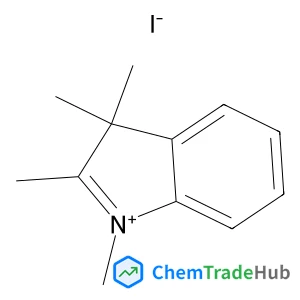
1,2,3,3-Tetramethyl-3H-indolium iodide
CAS Number: 5418-63-3

3-(Bromomethyl)benzenesulfonamide
CAS Number: 220798-52-7
![3,3'-(1,1,1,3,3,3-Hexafluoro-2,2-propanediyl)bis[6-(allyloxy)aniline]](https://static.chemtradehub.com/structs/257/2573217-07-7-f3dd.webp)


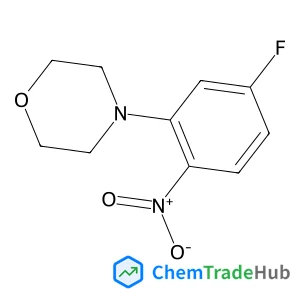
4-(5-Fluoro-2-nitrophenyl)morpholine
CAS Number: 536977-34-1

Other Suppliers for 4-bromo-3-nitro-pyridin-2-amine








Basic Information
Molecular Formula
C5H4BrN3O2
Molecular Weight
218.01 g/mol
Chemical Identifiers
SMILES
O=[N+](C1=C(Br)C=CN=C1N)[O-]
InChIKey
WCHFLLNYYVWJEI-UHFFFAOYSA-N
Database References
MDL Number
MFCD15143358
FAQ
4-bromo-3-nitro-pyridin-2-amine (CAS: 84487-10-5) is classified by the Globally Harmonized System of Classification and Labelling of Chemicals (GHS) as a hazardous substance due to its potential for skin and eye irritation. It is subject to reporting and registration requirements under the Registration, Evaluation, Authorization and Restriction of Chemicals (REACH) regulation in the European Union. In the United States, the Environmental Protection Agency (EPA) and the Food and Drug Administration (FDA) may have additional regulations for its use and disposal. Compliance with these regulations is essential to ensure safe handling and storage.
There are several alternatives to 4-bromo-3-nitro-pyridin-2-amine (CAS: 84487-10-5) in synthesis, including 4-nitro-3-bromopyridin-2-amine and 2-aminopyridine-3-bromide. These analogs can serve as precursors or intermediates in various chemical processes. The choice of alternative depends on the specific requirements of the synthesis, such as reactivity, solubility, and desired product properties.
4-bromo-3-nitro-pyridin-2-amine (CAS: 84487-10-5) is primarily used in research and development, particularly in the synthesis of pharmaceuticals and pesticides. Market trends suggest a steady demand due to its reactivity and versatility. Emerging research is focusing on its application in medicinal chemistry, where it is used as an intermediate to develop novel drugs. Price trends are generally stable, but may fluctuate based on supply and demand dynamics in the market.
Waste containing 4-bromo-3-nitro-pyridin-2-amine (CAS: 84487-10-5) should be collected in appropriate containers and stored in a well-ventilated area away from ignition sources. It should be handled with care to prevent skin and eye contact. For disposal, it is advisable to consult with a hazardous waste management professional. Proper incineration or professional waste disposal methods should be employed to ensure environmental protection and compliance with local regulations.
Safety Notice
Please verify product specifications and safety data before use. Contact the supplier for detailed safety information.
Always follow proper handling procedures
Contact Information
Contact Person
Zhang Manager
angela@labgogo.com