



AD
Pepsin from Porcine Stomach(CAS: 9001-75-6)
CAS Number
Related Products
(9cis)-Retinoic acid
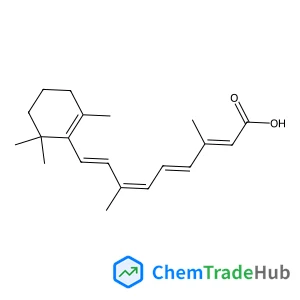
CAS Number: 8049-47-6
Other Suppliers for Pepsin from Porcine Stomach



Basic Information
Molecular Formula
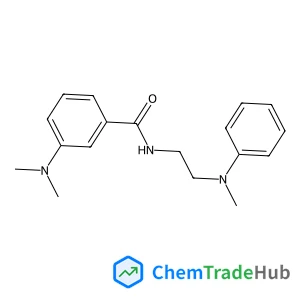
C18H23N3O
Molecular Weight
297.4 g/mol
Physical Properties
Water Solubility
Soluble in water and dilute aqueous buffers
Chemical Identifiers
SMILES
CN(C)C1=CC=CC(=C1)C(=O)NCCN(C)C2=CC=CC=C2
InChIKey
QTZKKCGDXCXONF-UHFFFAOYSA-N
Database References
MDL Number
MFCD00081840
FAQ
Pepsin from Porcine Stomach (CAS: 9001-75-6) is a proteolytic enzyme complex derived from the stomach lining of pigs. It catalyzes the hydrolysis of proteins into smaller peptides and amino acids, functioning optimally in acidic environments. This enzyme is commonly used in industrial, pharmaceutical, and research applications due to its specificity and efficiency in protein digestion.
Pepsin from Porcine Stomach (CAS: 9001-75-6) is primarily used in pharmaceuticals for digestive enzyme supplements, in the food industry for cheese production and meat tenderizing, and in research for protein analysis and biochemical studies. Its acidic stability and specificity make it valuable for breaking down proteins in various applications.
Pepsin from Porcine Stomach (CAS: 9001-75-6) is generally considered safe when used as directed. However, it may cause allergic reactions in individuals sensitive to pork. Proper handling with gloves and avoiding inhalation is recommended. Safety standards such as USP and FDA guidelines ensure its quality and safe application in industrial and research settings.
Pepsin from Porcine Stomach (CAS: 9001-75-6) should be stored in a cool, dry place (below 25°C), protected from moisture and light. Keep in airtight containers to maintain stability and prevent degradation. Proper storage ensures optimal activity and shelf life for industrial, pharmaceutical, and research purposes.
Safety Notice
Please verify product specifications and safety data before use. Contact the supplier for detailed safety information.
Always follow proper handling procedures