



AD
1-(Butan-2-ylidene)-2-(2,4-dinitrophenyl)hydrazine(CAS: 958-60-1)
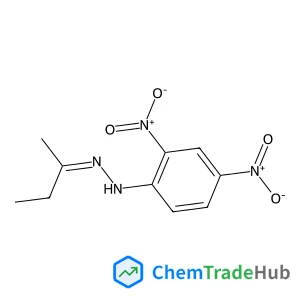
CAS Number
Related Products
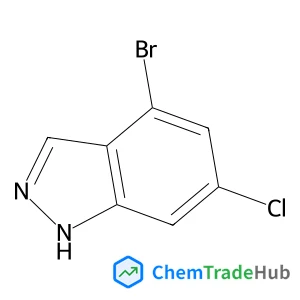
4-Bromo-6-chloro-1H-indazole
CAS Number: 885519-03-9
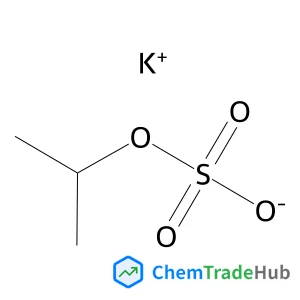
Potassium isopropyl sulfate
CAS Number: 26182-60-5
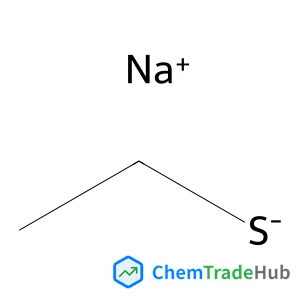
Sodium ethanethiolate
CAS Number: 811-51-8
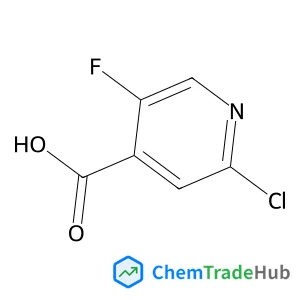
2-Chloro-5-fluoroisonicotinic acid
CAS Number: 884494-74-0
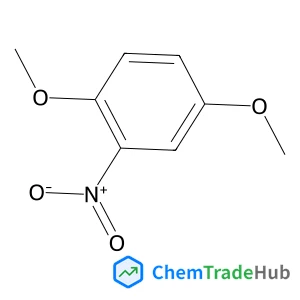
1,4-Dimethoxy-2-nitrobenzene
CAS Number: 89-39-4
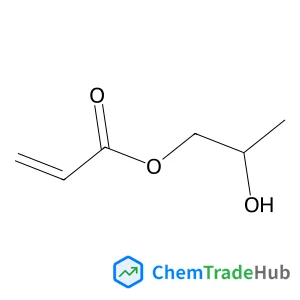
2-hydroxypropyl prop-2-enoate
CAS Number: 999-61-1
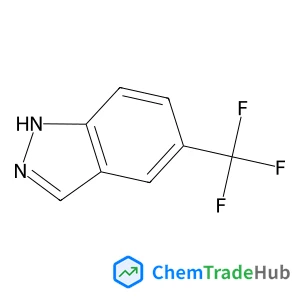
5-(Trifluoromethyl)-1H-indazole
CAS Number: 885271-64-7
Other Suppliers for 1-(Butan-2-ylidene)-2-(2,4-dinitrophenyl)hydrazine



Basic Information
Molecular Formula
C10H12N4O4
Molecular Weight
252.23 g/mol
Physical Properties
Melting Point
114.0 to 118.0 deg-C
Flash Point
2 °C
Chemical Identifiers
SMILES
CCC(=NNC1=C(C=C(C=C1)[N+](=O)[O-])[N+](=O)[O-])C
InChIKey
WPWSANGSIWAACK-UHFFFAOYSA-N
Database References
MDL Number
MFCD00191644
FAQ
1-(Butan-2-ylidene)-2-(2,4-dinitrophenyl)hydrazine (CAS: 958-60-1) falls under the regulation of the Globally Harmonized System of Classification and Labelling of Chemicals (GHS) due to its hazardous properties. It is also subject to European Union's Registration, Evaluation, Authorisation, and Restriction of Chemicals (REACH) regulations. In the United States, FDA and EPA may have specific handling and disposal requirements for this compound based on its potential to cause health and environmental hazards.
Alternatives to 1-(Butan-2-ylidene)-2-(2,4-dinitrophenyl)hydrazine (CAS: 958-60-1) in synthesis include similar hydrazine derivatives or related compounds that may offer comparable reactivity but with potentially lower toxicity. Common alternatives include 2-(2,4-dinitrophenyl)hydrazine and other hydrazine derivatives that can be used as reducing agents or precursors in organic synthesis.
The research trend for 1-(Butan-2-ylidene)-2-(2,4-dinitrophenyl)hydrazine (CAS: 958-60-1) is focused on its application as a reagent in organic synthesis, particularly in the preparation of various functionalized compounds. Market dynamics indicate a steady demand, though the compound's use is limited by its hazardous nature. Emerging research is exploring safer alternatives and less harmful processes to reduce its environmental impact while maintaining its utility in chemical synthesis.
Waste containing 1-(Butan-2-ylidene)-2-(2,4-dinitrophenyl)hydrazine (CAS: 958-60-1) should be managed according to hazardous waste regulations. Collection should be done in sealed, leak-proof containers and stored in a secure, well-ventilated area away from ignition sources. For disposal, it is recommended to use a professional waste management service that specializes in hazardous materials. Environmental precautions include ensuring proper containment to prevent spills and rigorous decontamination procedures to protect the environment and public health.
Safety Notice
Please verify product specifications and safety data before use. Contact the supplier for detailed safety information.
Always follow proper handling procedures
Contact Information
sales@maya-r.com