



AD
2-(dimethylamino)-1-phenylpropan-1-one(CAS: 15351-09-4)
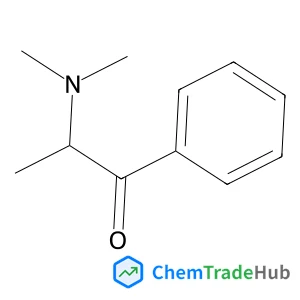
CAS Number
Related Products
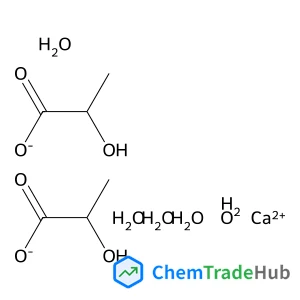
Calcium Lactate Pentahydrate
CAS Number: 5743-47-5
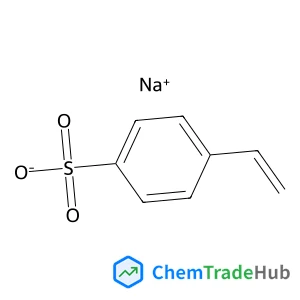
Sodium 4-vinylbenzenesulfonate
CAS Number: 2695-37-6
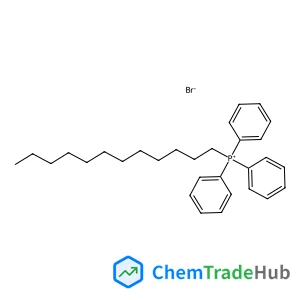
Dodecyl(triphenyl)phosphonium bromide
CAS Number: 15510-55-1
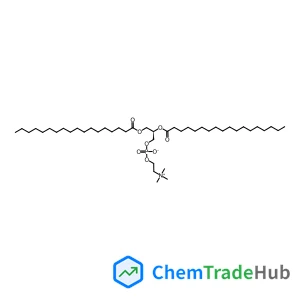
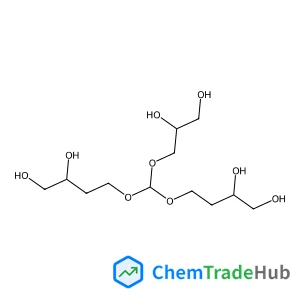
Poly(Propylene Glycol)
CAS Number: 25791-96-2
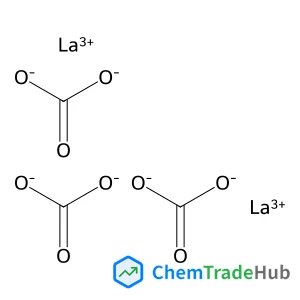
LANTHANUM CARBONATE
CAS Number: 587-26-8

Copper(1+) chloride
CAS Number: 1344-67-8
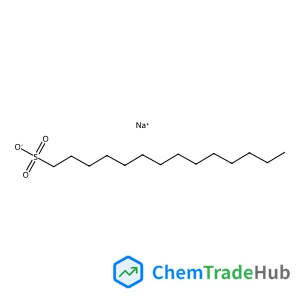
Sodium 1-tetradecanesulfonate
CAS Number: 6994-45-2
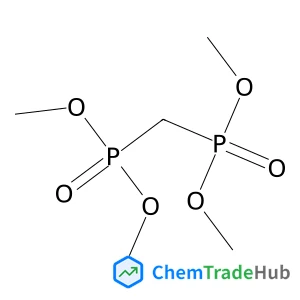
Tetramethyl methylenebis(phosphonate)
CAS Number: 16001-93-7
Other Suppliers for 2-(dimethylamino)-1-phenylpropan-1-one


Basic Information
Molecular Formula
C11H15NO
Molecular Weight
177.24 g/mol
Physical Properties
Boiling Point
309.18°C (rough estimate)
Chemical Identifiers
SMILES
CC(C(=O)C1=CC=CC=C1)N(C)C
InChIKey
KBHMHROOFHVLBA-UHFFFAOYSA-N
Database References
FAQ
2-(Dimethylamino)-1-phenylpropan-1-one (CAS: 15351-09-4) is classified under the Globally Harmonized System of Classification and Labelling of Chemicals (GHS) as a flammable liquid and requires proper handling and storage. In the European Union, it is also regulated under the REACH (Registration, Evaluation, Authorisation and Restriction of Chemicals) regulation. Additionally, the FDA and EPA have specific requirements for the use and disposal of this compound in the United States.
There are several alternatives to 2-(dimethylamino)-1-phenylpropan-1-one (CAS: 15351-09-4) in synthesis. Common alternatives include other substituted phenylpropanones, such as benzyl phenylpropanone and related analogs. Isomers and similar compounds may also serve as viable alternatives depending on the specific application. Substituting these compounds can help reduce the flammability and safety concerns associated with 2-(dimethylamino)-1-phenylpropan-1-one.
The market and research trends for 2-(dimethylamino)-1-phenylpropan-1-one (CAS: 15351-09-4) are closely tied to its applications in pharmaceuticals, agrochemicals, and research. Recent trends indicate a focus on developing safer alternatives and optimizing synthesis methods to reduce environmental impact. Emerging research is also exploring the compound's potential in new applications, such as in natural product chemistry and functional materials.
Waste containing 2-(dimethylamino)-1-phenylpropan-1-one (CAS: 15351-09-4) should be collected in a closed and labeled container, ensuring proper ventilation. The waste should then be treated through incineration or professional waste disposal services. Environmental precautions include avoiding contact with water and ensuring that waste does not enter water systems. Always follow local regulations and guidelines for hazardous waste management.
Safety Notice
Please verify product specifications and safety data before use. Contact the supplier for detailed safety information.
Always follow proper handling procedures
Contact Information
Contact Person
Manager Shi
1373640151@qq.com