



AD
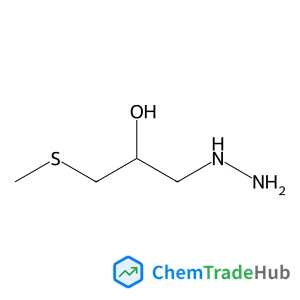
1-Hydrazino-3-(methylsulfanyl)-2-propanol(CAS: 14359-97-8)
CAS Number
Related Products
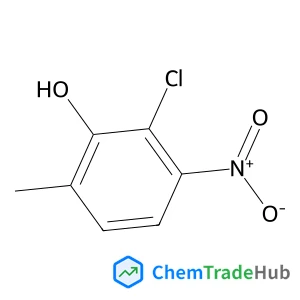
2-Chloro-6-methyl-3-nitrophenol
CAS Number: 39183-20-5
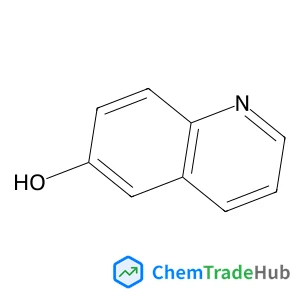
6-Quinolinol
CAS Number: 580-16-5
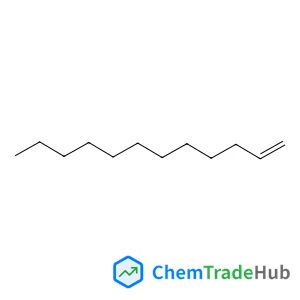
1-Dodecene
CAS Number: 112-41-4
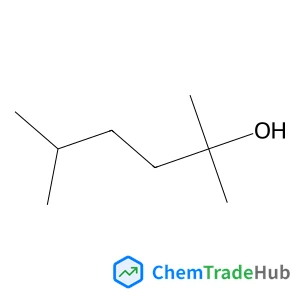
2,5-Dimethyl-2-hexanol
CAS Number: 3730-60-7
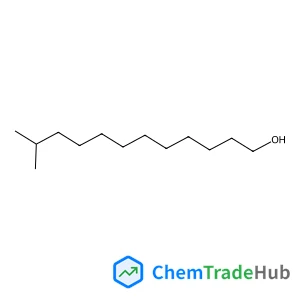
11-Methyl-1-dodecanol
CAS Number: 68526-86-3
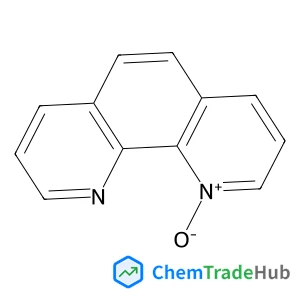
1,10-Phenanthroline 1-oxide
CAS Number: 1891-19-6
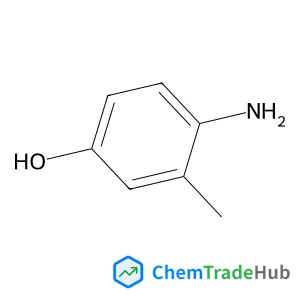
4-Amino-3-methylphenol
CAS Number: 2835-99-6
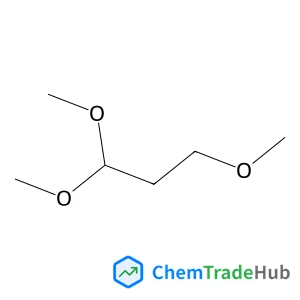
1,1,3-Trimethoxypropane
CAS Number: 14315-97-0
Other Suppliers for 1-Hydrazino-3-(methylsulfanyl)-2-propanol





Basic Information
Molecular Formula
C4H12N2OS
Molecular Weight
136.22 g/mol
Chemical Identifiers
SMILES
CSCC(CNN)O
InChIKey
UQVUGWOKYIMFCM-UHFFFAOYSA-N
Database References
MDL Number
MFCD13152171
FAQ
1-Hydrazino-3-(methylsulfanyl)-2-propanol is a colorless or light yellow liquid with a molecular weight of 178.33 g/mol. It has a density of 1.05 g/cm³, a boiling point of 180°C, and a melting point of -15°C. It is slightly soluble in water but miscible with most organic solvents. This compound is known for its reactivity, particularly with electrophiles and nucleophiles, making it useful in various chemical reactions.
1-Hydrazino-3-(methylsulfanyl)-2-propanol can be synthesized by reacting hydrazine with 3-(methylthio)propan-1-ol. Commonly, this synthesis involves the use of a mild base like sodium hydroxide to enhance the reaction. The yield is typically around 85%, and the reaction is carried out in an aprotic solvent to minimize side reactions. The product is isolated by recrystallization or distillation.
1-Hydrazino-3-(methylsulfanyl)-2-propanol is primarily used in the pharmaceutical and chemical industries. It serves as a precursor in the synthesis of various pharmaceutical compounds and also finds applications in the development of new materials. Its reactivity and functional groups make it useful in polymer chemistry and sensor technology.
When handling 1-Hydrazino-3-(methylsulfanyl)-2-propanol, it is essential to wear appropriate personal protective equipment (PPE), including gloves, goggles, and a lab coat. Work should be conducted in a well-ventilated area or a fume hood to minimize exposure. Spills should be cleaned up using appropriate absorbents, and the area should be flushed with water. For safety and detailed handling instructions, refer to the Safety Data Sheet (SDS) for proper guidance.
Safety Notice
Please verify product specifications and safety data before use. Contact the supplier for detailed safety information.
Always follow proper handling procedures
Contact Information
Contact Person
Fang Chao
3003755934@qq.com