



AD
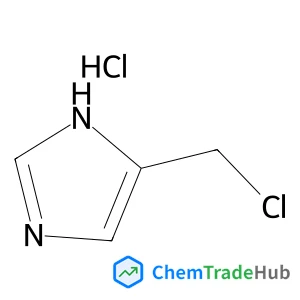
4-(Chloromethyl)-1H-imidazole hydrochloride (1:1)(CAS: 38585-61-4)
CAS Number
Related Products
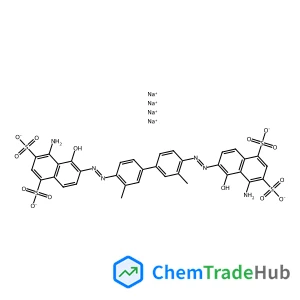
Evans blue
CAS Number: 314-13-6
![Sodium;2-[3,5-bis(2-hydroxyethyl)-1,3,5-triazinan-1-yl]ethanolate](https://static.chemtradehub.com/structs/904/9041-08-1-f8b0.webp)
![acetoxy-[[2-(bis-o-tolylphosphanyl)phenyl]methyl]palladium](https://static.chemtradehub.com/structs/172/172418-32-5-5ae9.webp)
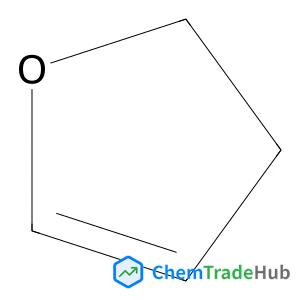
2,3-Dihydrofuran
CAS Number: 1191-99-7
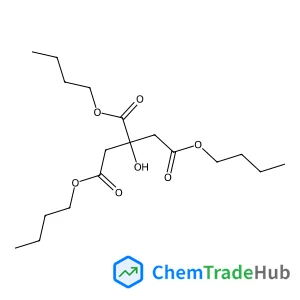
Tributyl citrate
CAS Number: 77-94-1
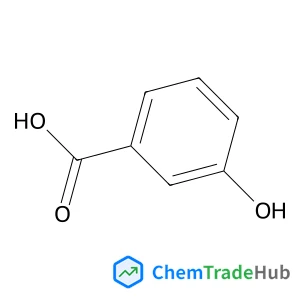
3-Hydroxybenzoic acid
CAS Number: 99-06-9
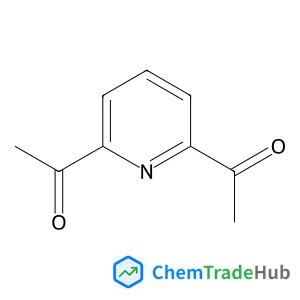
1,1'-(2,6-Pyridinediyl)diethanone
CAS Number: 1129-30-2
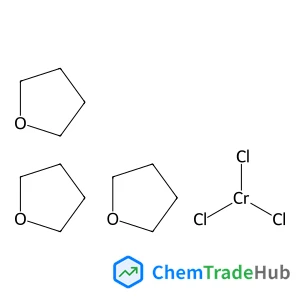
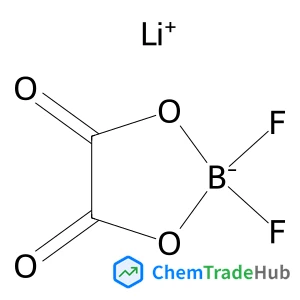
Lithium difluoro(oxalato)borate
CAS Number: 409071-16-5
Other Suppliers for 4-(Chloromethyl)-1H-imidazole hydrochloride (1:1)






Basic Information
Molecular Formula
C4H6Cl2N2
Molecular Weight
153.01 g/mol
Physical Properties
Melting Point
1400C
Chemical Identifiers
SMILES
C1=C(NC=N1)CCl.Cl
InChIKey
FASMXPUFMXBVRL-UHFFFAOYSA-N
Database References
MDL Number
MFCD01721661
FAQ
4-(Chloromethyl)-1H-imidazole hydrochloride (CAS: 38585-61-4) falls under the GHS (Global Harmonized System of Classification and Labeling of Chemicals) and is classified as a hazardous chemical due to its corrosive properties. In the EU, it is regulated under REACH (Registration, Evaluation, Authorization and Restriction of Chemicals), requiring manufacturers and importers to register substances above 1 tonne per year. FDA and EPA have specific guidelines for the handling and disposal of such compounds in the United States.
Yes, there are a few alternatives in synthesis, such as 2-methylimidazole and 4-methylimidazole, which can be used as precursors. Other common reagents include 4-(hydroxymethyl)-1H-imidazole and 4-(aminomethyl)-1H-imidazole. These alternatives provide similar functionality but may offer better solubility or reactivity in certain applications.
The market for 4-(Chloromethyl)-1H-imidazole hydrochloride (CAS: 38585-61-4) is steadily growing, driven by its applications in pharmaceuticals, pesticides, and industrial solvents. Recent research trends focus on developing safer alternatives and exploring its use in new applications such as catalysis and nanotechnology. Price trends indicate a stable market with minor fluctuations based on supply and demand factors.
Waste containing 4-(Chloromethyl)-1H-imidazole hydrochloride (CAS: 38585-61-4) should be collected in appropriate containers and stored separately to prevent contamination. For disposal, it is recommended to consult local regulations, but generally, it should be incinerated or treated by a professional waste disposal service. Environmental precautions include neutralizing any acidic or basic materials before disposal to minimize environmental impact.
Safety Notice
Please verify product specifications and safety data before use. Contact the supplier for detailed safety information.
Always follow proper handling procedures

Contact Information
Contact Person
Li Shuang
lishuang@hwrkchemical.com
Mobile
13269663372
Telephone
010-89508211
Visit Website
http://www.hwrkchemical.comAddress
No. 10 Building, 5th Floor, Unit 501-044, Liuxiang Road, Fengtai District, Beijing