



AD
Ethanedioic acid ammoniate (1:1)(CAS: 5972-72-5)
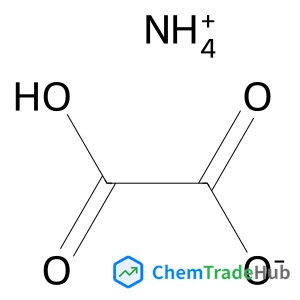
CAS Number
Related Products
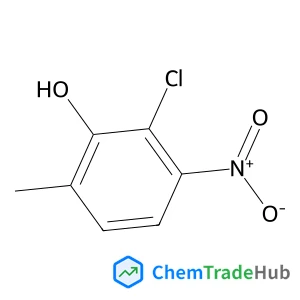
2-Chloro-6-methyl-3-nitrophenol
CAS Number: 39183-20-5
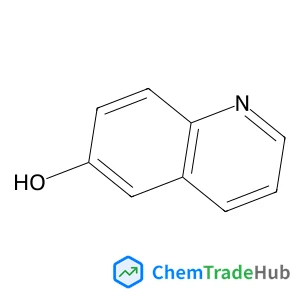
6-Quinolinol
CAS Number: 580-16-5
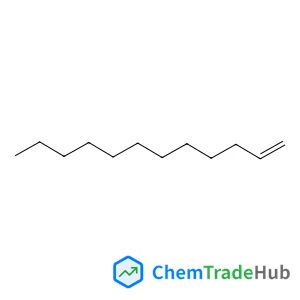
1-Dodecene
CAS Number: 112-41-4
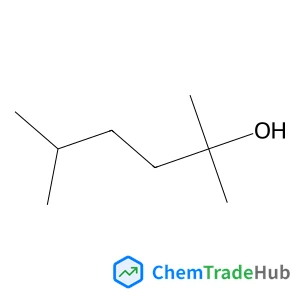
2,5-Dimethyl-2-hexanol
CAS Number: 3730-60-7
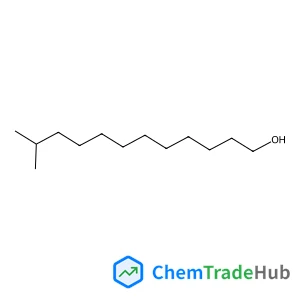
11-Methyl-1-dodecanol
CAS Number: 68526-86-3
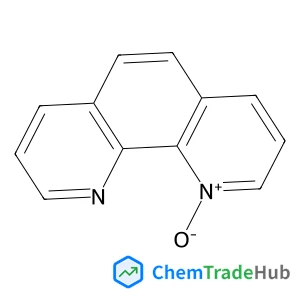
1,10-Phenanthroline 1-oxide
CAS Number: 1891-19-6
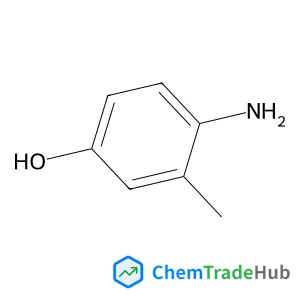
4-Amino-3-methylphenol
CAS Number: 2835-99-6
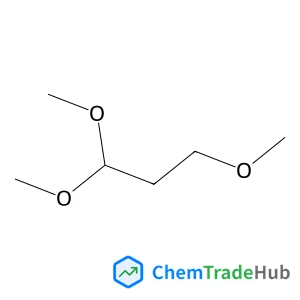
1,1,3-Trimethoxypropane
CAS Number: 14315-97-0
Other Suppliers for Ethanedioic acid ammoniate (1:1)


Basic Information
Molecular Formula
C2H5NO4
Molecular Weight
107.07 g/mol
Chemical Identifiers
SMILES
C(=O)(C(=O)[O-])O.[NH4+]
InChIKey
AJGPQPPJQDDCDA-UHFFFAOYSA-N
Database References
MDL Number
MFCD00673665
FAQ
Ethanedioic acid ammoniate (1:1) (CAS: 5972-72-5) is a crystalline solid with a molecular weight of approximately 110.12 g/mol. It has a high solubility in water and is slightly soluble in ethanol. Chemically, it is a salt formed by the reaction of ethanedioic acid (oxalic acid) and ammonium ions. It shows moderate reactivity, especially in acidic conditions, and exhibits good thermal stability up to 200°C.
Ethanedioic acid ammoniate (1:1) (CAS: 5972-72-5) is synthesized by the direct reaction of oxalic acid with ammonium hydroxide in a 1:1 molar ratio. The reaction is typically carried out in water at room temperature with continuous stirring. Commonly, the mixture is heated to ensure complete reaction and then filtered to obtain the desired salt. The product is usually washed with water and dried under reduced pressure.
Ethanedioic acid ammoniate (1:1) (CAS: 5972-72-5) is utilized in various industries. In pharmaceuticals, it serves as a stabilizer and chelating agent. In the polymer industry, it acts as a crosslinking agent. It is also used in the production of sensors and semiconductors due to its effective reactivity and stability properties.
When handling Ethanedioic acid ammoniate (1:1) (CAS: 5972-72-5), it is important to wear appropriate personal protective equipment (PPE), including gloves, goggles, and a lab coat. Work should be conducted in a well-ventilated area or fume hood to minimize inhalation. Spills should be cleaned up immediately using appropriate chemical absorbents. Always consult the Safety Data Sheet (SDS) for specific safety guidelines and emergency procedures.
Safety Notice
Please verify product specifications and safety data before use. Contact the supplier for detailed safety information.
Always follow proper handling procedures
Contact Information
Contact Person
Fang Chao
3003755934@qq.com