



AD
2-Methyl-1H-indole-3-carbaldehyde(CAS: 5416-80-8)
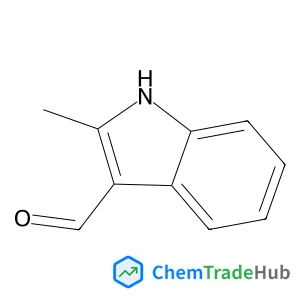
CAS Number
Related Products
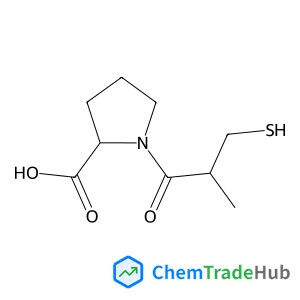
Captopril
CAS Number: 62571-86-2
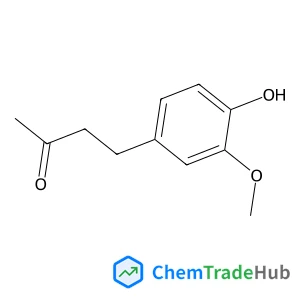
4-(4-Hydroxy-3-methoxyphenyl)-2-butanone
CAS Number: 122-48-5
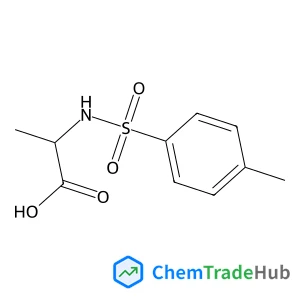
N-Tosyl-L-alanine
CAS Number: 21957-58-4
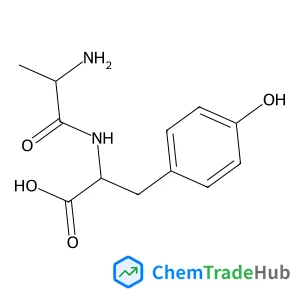
Alanyl-L-tyrosine
CAS Number: 3061-88-9
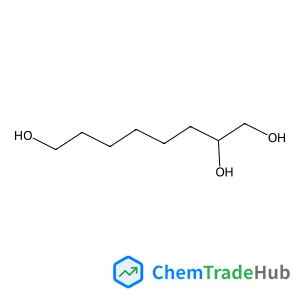
Octane-1,2,8-triol
CAS Number: 382631-43-8
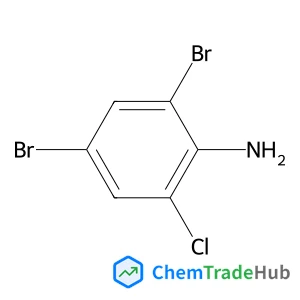
2,4-Dibromo-6-chloroaniline
CAS Number: 874-18-0
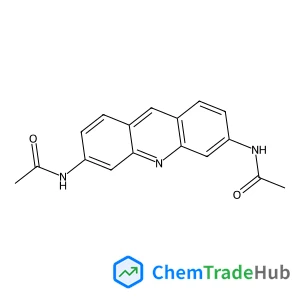
N,N'-3,6-Acridinediyldiacetamide
CAS Number: 15724-70-6
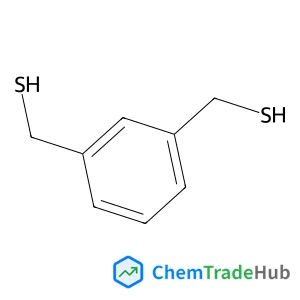
1,3-Phenylenedimethanethiol
CAS Number: 41563-69-3
Other Suppliers for 2-Methyl-1H-indole-3-carbaldehyde





Basic Information
Molecular Formula
C10H9NO
Molecular Weight
159.19 g/mol
Physical Properties
Melting Point
201.0 to 205.0 deg-C
Boiling Point
344.3°C at 760 mmHg
Density
1.226
Flash Point
169.9 °C
Chemical Identifiers
SMILES
CC1=C(C2=CC=CC=C2N1)C=O
InChIKey
CYZIVXOEJNAIBS-UHFFFAOYSA-N
Database References
MDL Number
MFCD00012077
FAQ
What are the physical and chemical properties of 2-Methyl-1H-indole-3-carbaldehyde (CAS: 5416-80-8)?
2-Methyl-1H-indole-3-carbaldehyde (CAS: 5416-80-8) is a white to off-white crystalline solid with a molecular weight of approximately 158.18 g/mol. It has limited solubility in water but is more soluble in organic solvents such as ethanol and benzene. The compound is moderately reactive, particularly towards nucleophiles and bases. It is an important intermediate in the synthesis of various bioactive compounds and is known for its characteristic indole aroma.
2-Methyl-1H-indole-3-carbaldehyde (CAS: 5416-80-8) is typically synthesized via the alkylation of indole with methyl iodide followed by oxidation of the resulting indole-3-methyl alcohol. This process often involves the use of an oxidizing agent like sodium hypochlorite or potassium permanganate. The synthesis requires precise control of reaction conditions to achieve high yields and selectivity.
2-Methyl-1H-indole-3-carbaldehyde (CAS: 5416-80-8) is primarily used in the pharmaceutical industry as a key intermediate in the synthesis of various bioactive compounds. It also finds applications in the polymer and sensor industries due to its structural characteristics, which make it useful in developing new materials and sensing technologies.
When handling 2-Methyl-1H-indole-3-carbaldehyde (CAS: 5416-80-8), it is essential to use appropriate personal protective equipment (PPE) such as gloves, safety goggles, and a lab coat. Work should be conducted in a well-ventilated fume hood to minimize exposure to the compound. Spills should be cleaned up immediately with appropriate absorbent materials. Always refer to the safety data sheet (SDS) for specific handling and disposal instructions to ensure laboratory safety.
Safety Notice
Please verify product specifications and safety data before use. Contact the supplier for detailed safety information.
Always follow proper handling procedures
Contact Information
Contact Person
Zhang Zeyuan
Sales-CN@TCIchemicals.com