



AD
2,2'-(9,9-Didodecyl-9H-fluorene-2,7-diyl)bis(4,4,5,5-tetramethyl-1,3,2-dioxaborolane)(CAS: 749900-93-4)
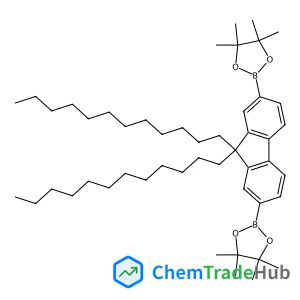
CAS Number
Related Products
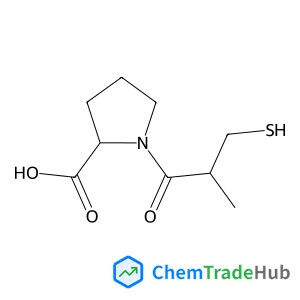
Captopril
CAS Number: 62571-86-2
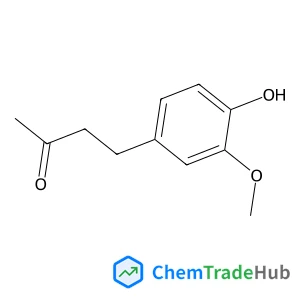
4-(4-Hydroxy-3-methoxyphenyl)-2-butanone
CAS Number: 122-48-5
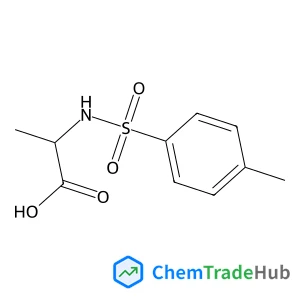
N-Tosyl-L-alanine
CAS Number: 21957-58-4
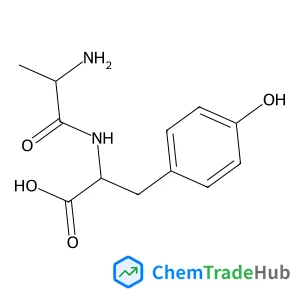
Alanyl-L-tyrosine
CAS Number: 3061-88-9
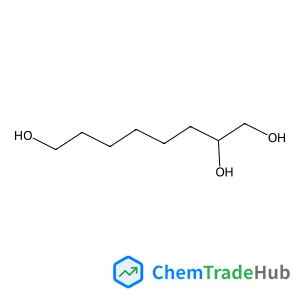
Octane-1,2,8-triol
CAS Number: 382631-43-8
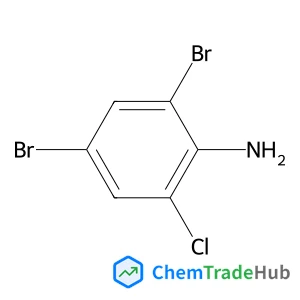
2,4-Dibromo-6-chloroaniline
CAS Number: 874-18-0
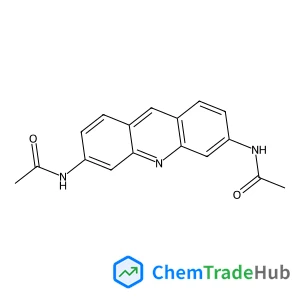
N,N'-3,6-Acridinediyldiacetamide
CAS Number: 15724-70-6
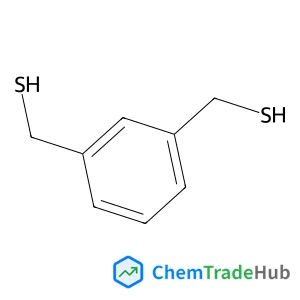
1,3-Phenylenedimethanethiol
CAS Number: 41563-69-3
Other Suppliers for 2,2'-(9,9-Didodecyl-9H-fluorene-2,7-diyl)bis(4,4,5,5-tetramethyl-1,3,2-dioxaborolane)





Basic Information
Molecular Formula
C49H80B2O4
Molecular Weight
754.8 g/mol
Physical Properties
Melting Point
75.0 to 79.0 deg-C
Boiling Point
774.8±53.0 °C at 760 mmHg
Density
1.0±0.1 g/cm3
Flash Point
422.4±30.9 °C
Chemical Identifiers
SMILES
CCCCCCCCCCCCC1(CCCCCCCCCCCC)C2=C(C3=C1C=C(B4OC(C)(C)C(C)(C)O4)C=C3)C=CC(B5OC(C)(C)C(C)(C)O5)=C2
InChIKey
GFPPDTSBPULCFW-UHFFFAOYSA-N
Database References
MDL Number
MFCD28126781
FAQ
The compound 2,2'-(9,9-Didodecyl-9H-fluorene-2,7-diyl)bis(4,4,5,5-tetramethyl-1,3,2-dioxaborolane) falls under the scope of various regulatory guidelines including GHS for chemical classification and labeling, REACH for registration, evaluation, authorization, and restriction of chemicals in the European Union, and FDA/EPA guidelines for safety and environmental impact assessments. Compliance with these regulations is essential for manufacturers and users.
There are several alternatives to 2,2'-(9,9-Didodecyl-9H-fluorene-2,7-diyl)bis(4,4,5,5-tetramethyl-1,3,2-dioxaborolane) for synthesis purposes, such as other dioxaborolane derivatives or fluorene-based compounds. These alternatives can be selected based on specific reaction conditions, solubility, and desired properties. However, their performance and cost-effectiveness need to be evaluated for each application.
The market for 2,2'-(9,9-Didodecyl-9H-fluorene-2,7-diyl)bis(4,4,5,5-tetramethyl-1,3,2-dioxaborolane) is currently growing due to its applications in organic electronics and photovoltaics. Research trends are focusing on optimizing its use in these fields and exploring its potential in new areas such as sensors and energy storage. Market demand is expected to increase with advancements in technology and new applications emerging.
Waste containing 2,2'-(9,9-Didodecyl-9H-fluorene-2,7-diyl)bis(4,4,5,5-tetramethyl-1,3,2-dioxaborolane) should be collected in appropriate containers and stored in a secure area. For disposal, professional waste management services should be utilized. If incineration is necessary, ensure compliance with local environmental regulations. Always follow safety guidelines to prevent environmental contamination and ensure worker safety.
Safety Notice
Please verify product specifications and safety data before use. Contact the supplier for detailed safety information.
Always follow proper handling procedures
Contact Information
Contact Person
Zhang Zeyuan
Sales-CN@TCIchemicals.com