



AD
N-(4-Chloro-2-methylphenyl)-3-oxobutanamide(CAS: 20139-55-3)
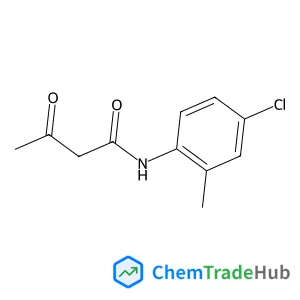
CAS Number
Related Products
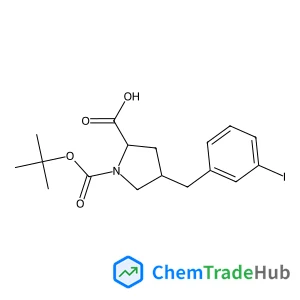
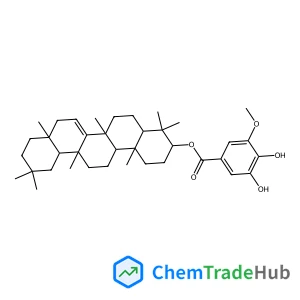
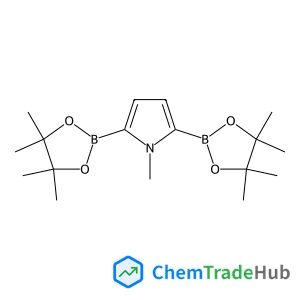
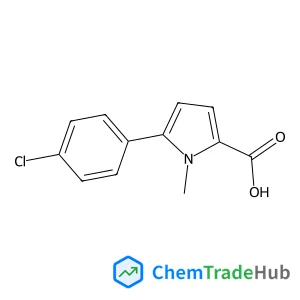
![[4-(Propoxymethyl)phenyl]boronic acid](https://static.chemtradehub.com/structs/160/160061-48-3-d8f7.webp)
[4-(Propoxymethyl)phenyl]boronic acid
CAS Number: 160061-48-3
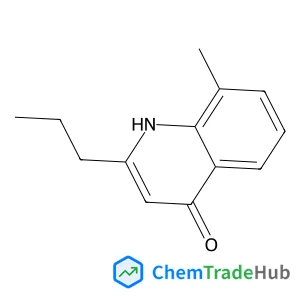
4-Hydroxy-8-methyl-2-propylquinoline
CAS Number: 1070879-87-6
Other Suppliers for N-(4-Chloro-2-methylphenyl)-3-oxobutanamide





Basic Information
Molecular Formula
C11H12ClNO2
Molecular Weight
225.67 g/mol
Physical Properties
Melting Point
101.0 to 105.0 deg-C
Boiling Point
174°C (rough estimate)
Flash Point
189.9 °C
Chemical Identifiers
SMILES
CC1=C(C=CC(=C1)Cl)NC(=O)CC(=O)C
InChIKey
ODFRAIZRJMUPCP-UHFFFAOYSA-N
Database References
MDL Number
MFCD00018493
Beilstein Registry Number
2731424
FAQ
N-(4-Chloro-2-methylphenyl)-3-oxobutanamide (CAS: 20139-55-3) falls under the scope of the Globally Harmonized System of Classification and Labelling of Chemicals (GHS), requiring proper hazard communication including safety data sheets (SDS) and proper labelling. It is also subject to REACH regulations in the European Union, which require registration, assessment, and authorization for certain substances. In the United States, the FDA and EPA have relevant requirements for the handling and use of this compound, including environmental protection and safe disposal practices.
There are several alternatives to N-(4-Chloro-2-methylphenyl)-3-oxobutanamide in synthesis, such as using different amides or other functional groups, depending on the specific synthetic route. Common alternatives include isomers like N-(4-Chloro-2-methylphenyl)-2-oxobutanamide, or using different reagents like chloroacetic acid or other carboxylic acids. These alternatives can offer similar reactivity but with different properties, making them suitable for specific applications.
The market for N-(4-Chloro-2-methylphenyl)-3-oxobutanamide (CAS: 20139-55-3) is growing due to its applications in pharmaceuticals and other chemical industries. Research trends focus on its use as a precursor in drug synthesis and as an intermediate in the production of various organic compounds. Recent studies also explore its potential in biocatalysis and as a component in new materials. The demand is driven by its unique chemical properties, making it a valuable compound in both academia and industry.
Waste containing N-(4-Chloro-2-methylphenyl)-3-oxobutanamide (CAS: 20139-55-3) should be collected and stored in appropriate containers to prevent spillage and ensure safety. Disposal should follow local and international regulations, often requiring professional handling. Incineration is a common method, but it must be done in an enclosed incinerator to minimize emissions. Environmental protection measures include proper containment to prevent water or soil contamination. Always consult local regulations and guidelines for specific disposal methods and procedures.
Safety Notice
Please verify product specifications and safety data before use. Contact the supplier for detailed safety information.
Always follow proper handling procedures

Contact Information
Contact Person
Tang Silei
2881489226@qq.com
Mobile
15026964105
Telephone
15026964105
Fax
021-55068248
Visit Website
https://www.shyuanye.comAddress
No. 6 Building, 465 Changta Road, Songjiang District, Shanghai