



AD
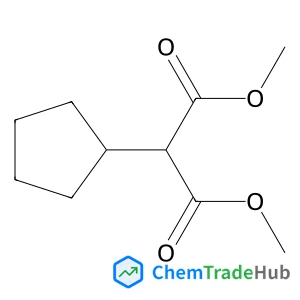
Dimethyl cyclopentylmalonate(CAS: 82491-60-9)
CAS Number
Related Products
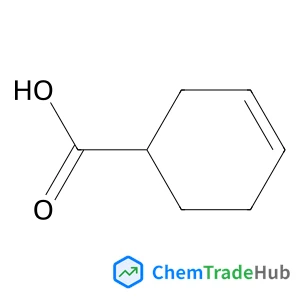
(1S)-3-Cyclohexene-1-carboxylic acid
CAS Number: 5708-19-0
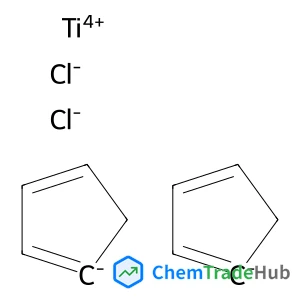
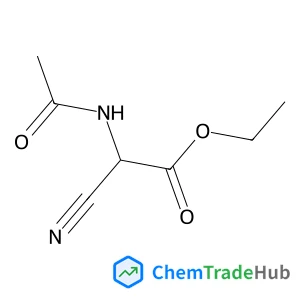
Ethyl Acetamidocyanoacetate
CAS Number: 4977-62-2
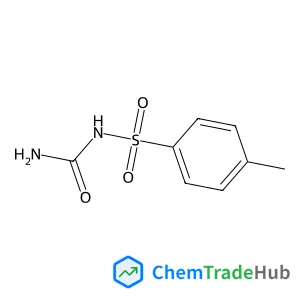
N-Carbamoyl-4-methylbenzenesulfonamide
CAS Number: 1694-06-0
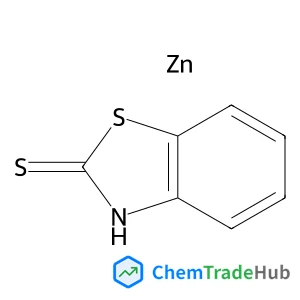
Zinc bis(1,3-benzothiazole-2-thiolate)
CAS Number: 155-04-4
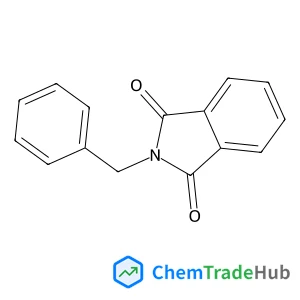
2-Benzyl-1H-isoindole-1,3(2H)-dione
CAS Number: 2142-01-0
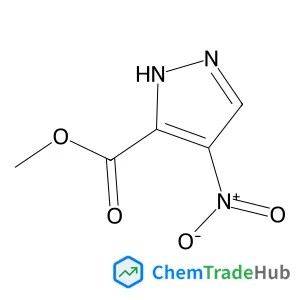
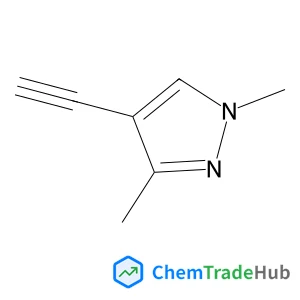
4-Ethynyl-1,3-dimethyl-1H-pyrazole
CAS Number: 61514-53-2
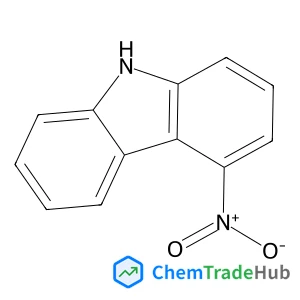
1-Nitro-9H-carbazole
CAS Number: 57905-76-7
Other Suppliers for Dimethyl cyclopentylmalonate







Basic Information
Molecular Formula
C10H16O4
Molecular Weight
200.23 g/mol
Physical Properties
Boiling Point
240.9°C at 760 mmHg
Density
1,09 g/cm3
Flash Point
109.9°C
Chemical Identifiers
SMILES
COC(=O)C(C1CCCC1)C(=O)OC
InChIKey
KCCNEJJMJHDVCN-UHFFFAOYSA-N
Database References
MDL Number
MFCD03844781
FAQ
Dimethyl cyclopentylmalonate (CAS: 82491-60-9) falls under the scope of GHS classification, which categorizes it as a flammable liquid. It is also subject to REACH regulations in the European Union, requiring suppliers to register and provide detailed safety data sheets. In the USA, FDA and EPA may have additional requirements for its handling and use in pharmaceutical and industrial applications.
Dimethyl cyclopentylmalonate (CAS: 82491-60-9) can be synthesized using various alternatives such as other malonates or esters. For example, ethyl cyclopentylmalonate can be used as a substitute, offering similar properties. Additionally, isomers like 4-methyl-2-pentanone can serve as alternative reagents in certain synthetic routes.
The market for Dimethyl cyclopentylmalonate (CAS: 82491-60-9) is driven by its use in fragrances and flavorings. Research trends are focusing on its potential in pharmaceutical applications and as a precursor in organic synthesis. Recent studies are exploring its use in green chemistry and sustainable manufacturing processes, which may influence future market dynamics.
Waste containing Dimethyl cyclopentylmalonate (CAS: 82491-60-9) should be collected in appropriate containers and stored separately to prevent contamination. For disposal, incineration is a common method, but professional waste disposal services should be utilized to ensure compliance with local regulations. Environmental protection precautions include proper labeling, handling, and storage to minimize environmental impact.
Safety Notice
Please verify product specifications and safety data before use. Contact the supplier for detailed safety information.
Always follow proper handling procedures
Contact Information
jacschem@163.com