



AD
1,2,3-Benzotriazin-4(3H)-one(CAS: 90-16-4)

CAS Number
Related Products

3-Acetoxy-4-cadinen-8-one
CAS Number: 923950-05-4
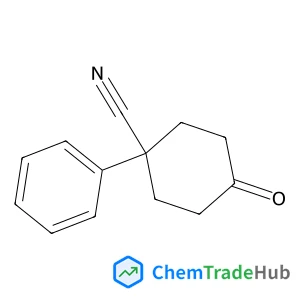
4-Oxo-1-phenylcyclohexanecarbonitrile
CAS Number: 25115-74-6

Valiolamine
CAS Number: 83456-22-9
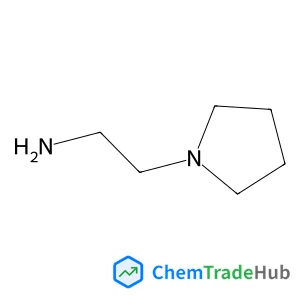
2-(1-Pyrrolidinyl)ethanamine
CAS Number: 7154-73-6

5-(Diethylamino)-1-pentanol
CAS Number: 2683-57-0
![2-Methyl-2-propanyl 4-{[2-(2-aminophenyl)ethyl]amino}-1-piperidinecarboxylate](https://static.chemtradehub.com/structs/783/783368-12-7-e061.webp)

Benzenemethanol, 4-nitro-, 1-acetate
CAS Number: 619-90-9

Other Suppliers for 1,2,3-Benzotriazin-4(3H)-one







Basic Information
Molecular Formula
C7H5N3O
Molecular Weight
147.14 g/mol
Physical Properties
Melting Point
216-218 °C (lit.)
Boiling Point
282 ºC
Density
1.47
Flash Point
125 ºC
Chemical Identifiers
SMILES
O=c1[nH]nnc2ccccc12
InChIKey
DMSSTTLDFWKBSX-UHFFFAOYSA-N
Database References
MDL Number
MFCD00052387
Beilstein Registry Number
124996
FAQ
1,2,3-Benzotriazin-4(3H)-one (CAS: 90-16-4) is subject to various regulatory guidelines. Under the Globally Harmonized System of Classification and Labelling of Chemicals (GHS), it is classified as a toxic chemical. In the European Union, it is regulated under REACH (Registration, Evaluation, Authorization and Restriction of Chemicals) and may require registration if the substance is produced or imported in quantities above one tonne per year. The U.S. Environmental Protection Agency (EPA) and the Food and Drug Administration (FDA) may also regulate its use based on specific applications such as pharmaceuticals or pesticides.
In synthesis, 1,2,3-Benzotriazin-4(3H)-one (CAS: 90-16-4) can be partially replaced by other compounds such as 1,3,4-thiadiazole-2,5-dione or 1,2,4-triazole-3-one, depending on the specific reaction conditions. These alternatives offer similar properties but may have different reactivity and solubility characteristics, making them suitable for certain types of reactions.
The market for 1,2,3-Benzotriazin-4(3H)-one (CAS: 90-16-4) is closely tied to its applications in pharmaceuticals, agrochemicals, and certain organic syntheses. Recent research trends indicate a growing focus on its use as a protecting group in organic chemistry. The compound is also being explored for its potential in metal catalyst systems. Demand is expected to remain stable, with minor fluctuations based on technological advancements and regulatory changes.
Waste containing 1,2,3-Benzotriazin-4(3H)-one (CAS: 90-16-4) should be collected in appropriate containers and stored in a cool, well-ventilated area. It should be disposed of through a professional waste disposal service that specializes in hazardous chemicals. Incineration is one method of disposal, but it should be conducted under controlled conditions to minimize environmental impact. Additionally, environmental protection measures should be taken to prevent contamination of soil and water sources.
Safety Notice
Please verify product specifications and safety data before use. Contact the supplier for detailed safety information.
Always follow proper handling procedures

Contact Information
hepeng20160718@foxmail.com
Mobile
13122891558
Telephone
186-16545970
Visit Website
https://www.hepengbio.com/