



AD
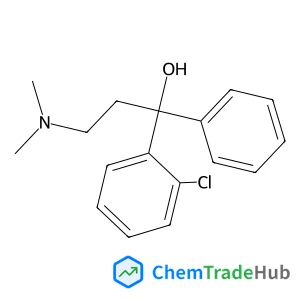
1-(2-Chlorophenyl)-3-(dimethylamino)-1-phenyl-1-propanol(CAS: 791-35-5)
CAS Number
Related Products
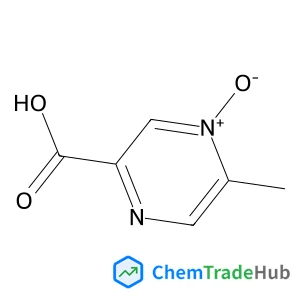
Acipimox
CAS Number: 51037-30-0
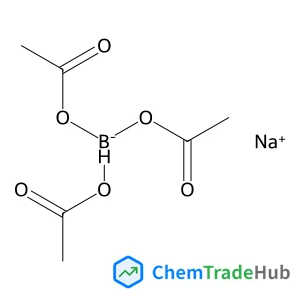
![Sodium [(1S,4R)-7,7-dimethyl-2-oxobicyclo[2.2.1]hept-1-yl]methanesulfonate](https://static.chemtradehub.com/structs/217/21791-94-6-e0df.webp)
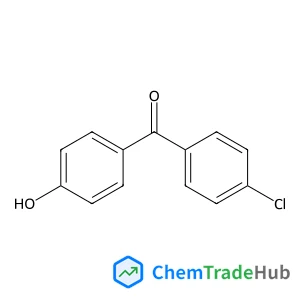
![4-(1-Methyl-4-piperidinylidene)-4,9-dihydro-10H-benzo[4,5]cyclohepta[1,2-b]thiophen-10-one (2E)-2-butenedioate (1:1)](https://static.chemtradehub.com/structs/345/34580-14-8-bc2b.webp)
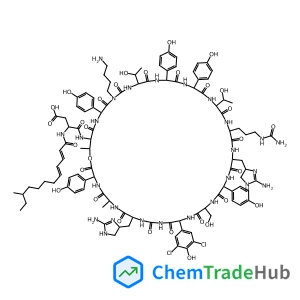
Enduracidin
CAS Number: 11115-82-5
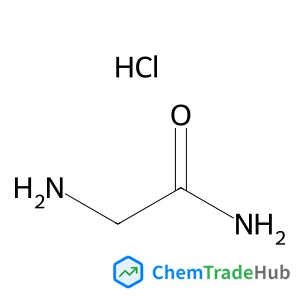
Glycinamide hydrochloride (1:1)
CAS Number: 1668-10-6
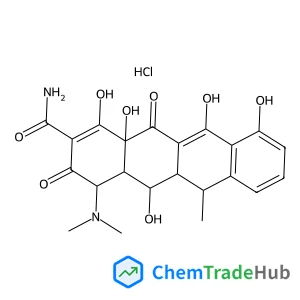
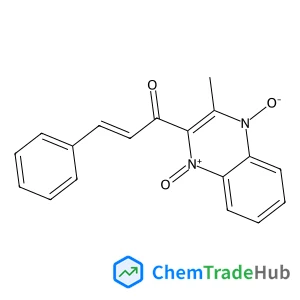
Quinocetone
CAS Number: 81810-66-4
Other Suppliers for 1-(2-Chlorophenyl)-3-(dimethylamino)-1-phenyl-1-propanol

Basic Information
Molecular Formula
C17H20ClNO
Molecular Weight
289.81 g/mol
Physical Properties
Melting Point
125 ºC (ethyl acetate ligroine (1:1))
Density
1.148±0.06 g/cm3 (20 ºC 760 Torr),
Chemical Identifiers
SMILES
CN(C)CCC(C1=CC=CC=C1)(C2=CC=CC=C2Cl)O
InChIKey
WRCHFMBCVFFYEQ-UHFFFAOYSA-N
Database References
MDL Number
MFCD00866840
FAQ
1-(2-Chlorophenyl)-3-(dimethylamino)-1-phenyl-1-propanol (CAS: 791-35-5) falls under various regulatory guidelines such as GHS classification, which includes hazards like flammability, reactivity, and toxicity. It is also subject to REACH regulations, ensuring safe use and handling, and may be regulated by the FDA and EPA for specific applications. Compliance with these guidelines is crucial to ensure safety and environmental protection.
Alternatives to 1-(2-Chlorophenyl)-3-(dimethylamino)-1-phenyl-1-propanol (CAS: 791-35-5) in synthesis include similar aromatic compounds with varying substituents. For instance, 1-(3-Chlorophenyl)-3-(dimethylamino)-1-phenyl-1-propanol or 1-(2-Iodophenyl)-3-(dimethylamino)-1-phenyl-1-propanol can be used as substitutes. Other alternatives may include isomers or analogs that offer similar functionality but with different reactivity profiles.
The market for 1-(2-Chlorophenyl)-3-(dimethylamino)-1-phenyl-1-propanol (CAS: 791-35-5) is driven by its use in pharmaceuticals and agrochemicals. Research trends are focusing on its potential as a starting material for synthesizing complex molecules. Market dynamics include a steady demand from the pharmaceutical industry, with emerging trends in green chemistry aiming to develop more sustainable and environmentally friendly processes for its production and use.
Waste containing 1-(2-Chlorophenyl)-3-(dimethylamino)-1-phenyl-1-propanol (CAS: 791-35-5) should be collected in appropriate containers and handled according to local and national regulations. Incineration is a common method for disposal, but professional waste disposal services are recommended to ensure safe and compliant disposal. Environmental protection precautions include minimizing exposure to air and water, and proper documentation of the disposal process to comply with environmental and occupational safety standards.
Safety Notice
Please verify product specifications and safety data before use. Contact the supplier for detailed safety information.
Always follow proper handling procedures
Contact Information
ycljy01@163.com