



AD
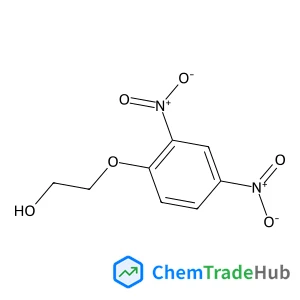
2-(2,4-Dinitrophenoxy)ethanol(CAS: 2831-60-9)
CAS Number
Related Products

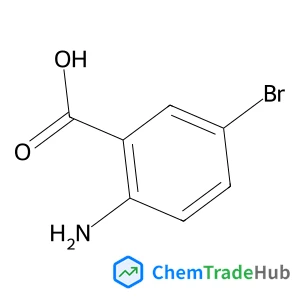
2-Amino-5-bromobenzoic acid
CAS Number: 5794-88-7
![2-(5H-Chromeno[2,3-b]pyridin-7-yl)propanoic acid](https://static.chemtradehub.com/structs/525/52549-17-4-e06c.webp)
![1-(6,11-Dihydro-5H-dibenzo[b,e]azepin-6-yl)methanamine](https://static.chemtradehub.com/structs/412/41218-84-2-28ce.webp)

Tetramethoxygermane
CAS Number: 992-91-6
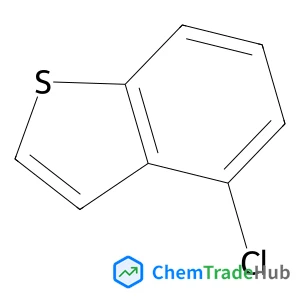
4-Chloro-1-benzothiophene
CAS Number: 66490-33-3

Nonatriacontane
CAS Number: 7194-86-7
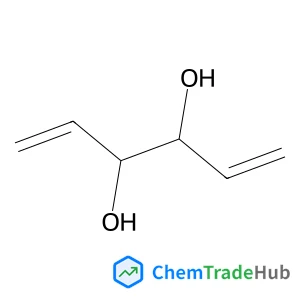
1,5-Hexadiene-3,4-diol
CAS Number: 1069-23-4
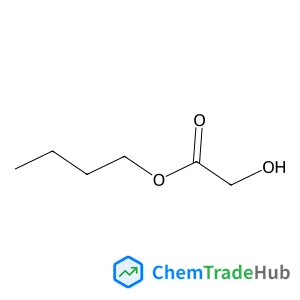
Butyl glycolate
CAS Number: 7397-62-8
Other Suppliers for 2-(2,4-Dinitrophenoxy)ethanol







Basic Information
Molecular Formula
C8H8N2O6
Molecular Weight
228.16 g/mol
Chemical Identifiers
SMILES
C1=CC(=C(C=C1[N+](=O)[O-])[N+](=O)[O-])OCCO
InChIKey
YYTMNJWMYPSLOD-UHFFFAOYSA-N
Database References
MDL Number
MFCD00052808
FAQ
2-(2,4-Dinitrophenoxy)ethanol (CAS: 2831-60-9) is subject to regulatory guidelines under REACH, GHS, and FDA/EPA. It is classified as a hazardous substance and requires proper labeling and documentation. Manufacturers must comply with detailed safety data sheets (SDS) and register the compound with relevant authorities as per REACH regulations. Additionally, it is essential to follow local and international regulations for transportation and storage to ensure safety and environmental protection.
Alternatives to 2-(2,4-Dinitrophenoxy)ethanol (CAS: 2831-60-9) in synthesis include using other phenol derivatives or employing different functional groups. Common substitutes include 2-(2,4-Dinitrophenyl)ethanol, 4-(2,4-Dinitrophenoxy)benzaldehyde, or using isomers like 2-(2,5-Dinitrophenoxy)ethanol. These alternatives can offer similar reactivity and are often chosen based on availability, cost, and specific reaction conditions.
The market for 2-(2,4-Dinitrophenoxy)ethanol (CAS: 2831-60-9) is driven by its applications in the pharmaceutical and agricultural industries. Research trends focus on its use as an intermediate in the synthesis of dinitrophenols and its potential as a herbicide. Emerging trends include the exploration of its biodegradability and the development of more environmentally friendly alternatives. The demand is expected to grow with increasing emphasis on sustainable chemistry and green chemistry practices.
Waste containing 2-(2,4-Dinitrophenoxy)ethanol (CAS: 2831-60-9) should be managed according to safety and environmental regulations. Waste liquid should be collected in appropriate containers and stored in a well-ventilated area. Incineration is a common method for disposal, but professional waste disposal services are recommended. Environmental precautions include ensuring no contamination of water bodies and proper documentation of waste management processes. Always consult local regulations for specific disposal requirements.
Safety Notice
Please verify product specifications and safety data before use. Contact the supplier for detailed safety information.
Always follow proper handling procedures

Contact Information
1208480055@qq.com
Mobile
13657291602
Fax
QQ:1098480033
Visit Website
http://www.guangaobio.com/