



AD
Carrot Seed Oil(CAS: 8015-88-1)
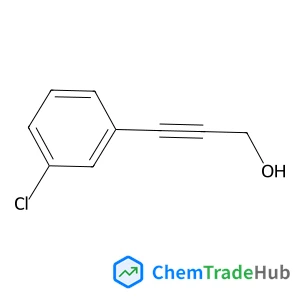
CAS Number
Related Products
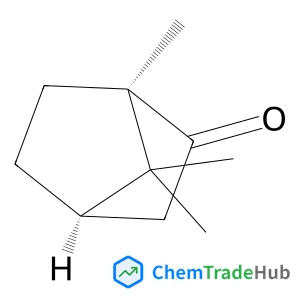
(+)-Camphor
CAS Number: 464-49-3
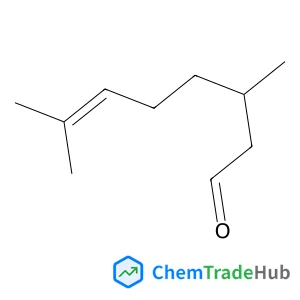
3,7-Dimethyl-6-octenal
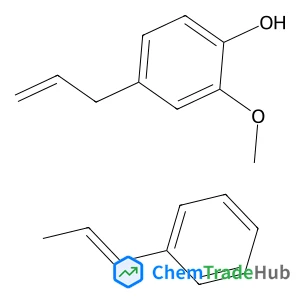
CAS Number: 8000-29-1
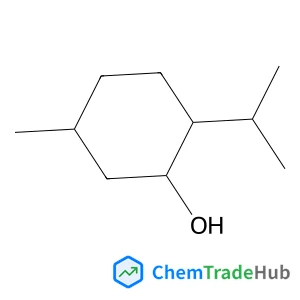
MENTHOL
CAS Number: 15356-70-4
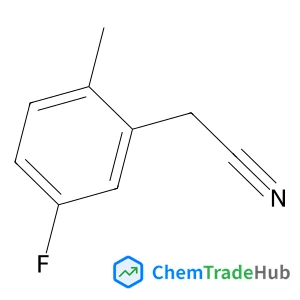
Cymbopogon martini
CAS Number: 8014-19-5
![(2E)-2-Methyl-5-(2-methyl-3-methylenebicyclo[2.2.1]hept-2-yl)-2-penten-1-ol - (2E)-5-(2,3-dimethyltricyclo[2.2.1.0~2,6~]hept-3-yl)-2-methyl-2-penten-1-ol (1:1)](https://static.chemtradehub.com/structs/800/8006-87-9-117c.webp)
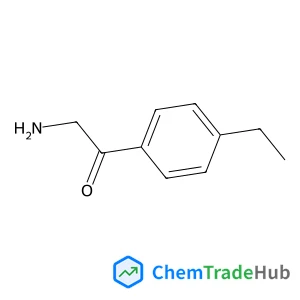
Wheat gern oil
CAS Number: 68917-73-7
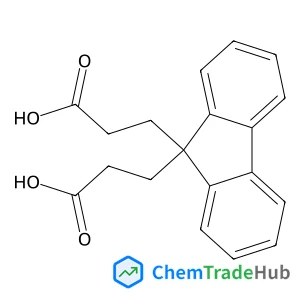
Litsea cubeba oil
CAS Number: 68855-99-2
Other Suppliers for Carrot Seed Oil



Basic Information
Molecular Formula
C9H7ClO
Molecular Weight
166.6 g/mol
Physical Properties
Density
0.911 g/mL at 25 °C(lit.)
Flash Point
117 °F
Chemical Identifiers
SMILES
ClC1=CC=CC(C#CCO)=C1
InChIKey
JSWQDMZGLWMJEG-UHFFFAOYSA-N
Database References
FAQ
Carrot Seed Oil (CAS: 8015-88-1) falls under the regulation of the Globally Harmonized System of Classification and Labeling of Chemicals (GHS), which mandates specific hazard communication requirements. It may also be subject to the European Union's Registration, Evaluation, Authorization, and Restriction of Chemicals (REACH) regulations. For food and cosmetic applications, the United States Food and Drug Administration (FDA) and Environmental Protection Agency (EPA) may have additional guidelines regarding its use and labeling.
In synthesis, Carrot Seed Oil (CAS: 8015-88-1) can be replaced by similar essential oils like Geranium Oil or Rose Oil, which have comparable fragrance profiles. For specific applications, synthetic alternatives such as synthetic terpenes can also be considered as substitutes, depending on the desired chemical properties and cost constraints.
The market for Carrot Seed Oil (CAS: 8015-88-1) is growing due to its use in natural cosmetics and aromatherapy. Research trends are focusing on the oil's potential health benefits and its ability to enhance skin care products. Additionally, there is increasing interest in sustainable sourcing and production methods to meet the growing demand for eco-friendly ingredients.
Waste containing Carrot Seed Oil (CAS: 8015-88-1) should be collected in appropriate containers and disposed of through a licensed hazardous waste removal service. Incineration is a common method, but professional waste disposal services should be consulted to ensure compliance with local regulations. Proper handling includes minimizing spillage and ensuring that waste is not transferred to non-hazardous waste streams. Environmental protection measures such as containment and spill prevention are crucial to prevent contamination of soil and water sources.
Safety Notice
Please verify product specifications and safety data before use. Contact the supplier for detailed safety information.
Always follow proper handling procedures
Contact Information
Contact Person
Zhong Fuying
1220032417@qq.com