



AD
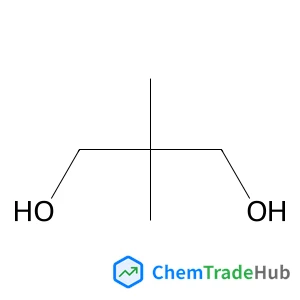
2,2-Dimethyl-1,3-propanediol(CAS: 126-30-7)
CAS Number
Related Products
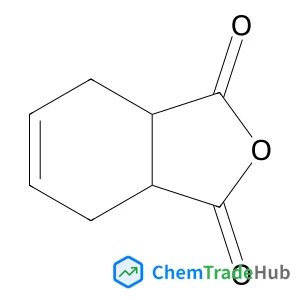
cis-1,2,3,6-Tetrahydrophthalic anhydride
CAS Number: 935-79-5
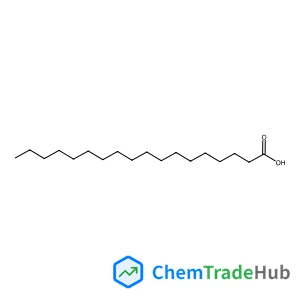
octadecanoic acid
CAS Number: 57-11-4
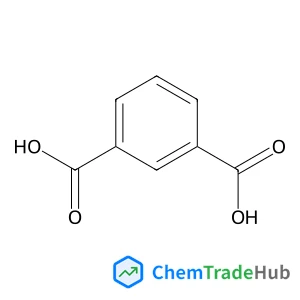
Isophthalic acid
CAS Number: 121-91-5
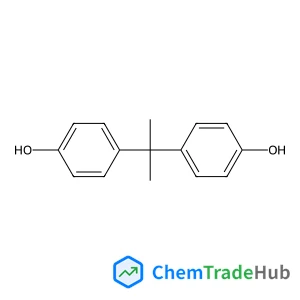
4,4'-(2,2-Propanediyl)diphenol
CAS Number: 80-05-7
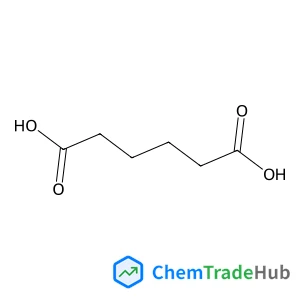
Adipic Acid
CAS Number: 124-04-9
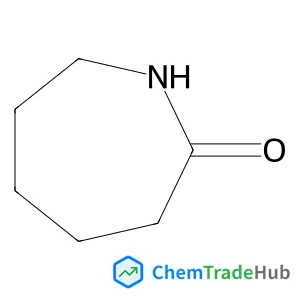
2-Azepanone
CAS Number: 105-60-2
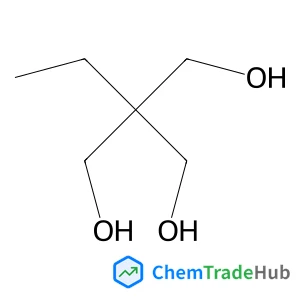
2-Ethyl-2-(hydroxymethyl)-1,3-propanediol
CAS Number: 77-99-6
Other Suppliers for 2,2-Dimethyl-1,3-propanediol

Basic Information
Molecular Formula
C5H12O2
Molecular Weight
104.15 g/mol
Physical Properties
Melting Point
127.0 to 130.0 deg-C
Boiling Point
210°C(lit.)
Water Solubility
830 g/L (20 ºC)
Chemical Identifiers
SMILES
CC(C)(CO)CO
InChIKey
SLCVBVWXLSEKPL-UHFFFAOYSA-N
Database References
MDL Number
MFCD00004685
Beilstein Registry Number
0605291
FAQ
2,2-Dimethyl-1,3-propanediol (CAS: 126-30-7) is a colorless, viscous liquid with the chemical formula C5H12O2. It belongs to the polyol family, featuring two hydroxyl groups on a branched propane backbone. This compound is soluble in water and organic solvents, with a boiling point around 210°C. Its high polarity and hydrogen bonding capabilities make it useful in various chemical applications. Commonly used as a precursor in synthetic chemistry, it exhibits stable physical properties under normal conditions.
2,2-Dimethyl-1,3-propanediol (CAS: 126-30-7) is widely used in pharmaceuticals as a solvent and stabilizer. In industry, it serves as a raw material for polymer production and coatings. It is also employed in research for synthesizing complex molecules and as a food additive in certain applications. Its versatility stems from its ability to form hydrogen bonds and its chemical reactivity. Additionally, it finds use in cosmetic formulations and as a chemical intermediate in organic synthesis.
2,2-Dimethyl-1,3-propanediol (CAS: 126-30-7) is generally considered safe when handled properly. It has low acute toxicity but may cause skin or eye irritation. Safety data sheets indicate the need for protective gloves, goggles, and ventilation. It is classified under GHS as a harmful substance, requiring careful storage and handling. Compliance with OSHA and EPA guidelines ensures safe use in industrial and research settings.
2,2-Dimethyl-1,3-propanediol (CAS: 126-30-7) should be stored in a cool, dry place, away from direct light and heat sources. Maintain storage temperature below 25°C and ensure low humidity to prevent degradation. Keep in tightly sealed, non-reactive containers to avoid contamination. Store in well-ventilated areas to minimize exposure. Stability is optimal under standard conditions, but prolonged exposure to high temperatures may affect its properties.
Safety Notice
Please verify product specifications and safety data before use. Contact the supplier for detailed safety information.
Always follow proper handling procedures
Contact Information
Contact Person
Gu Hua