



AD
1-Phenyl-2-propyn-1-ol(CAS: 4187-87-5)
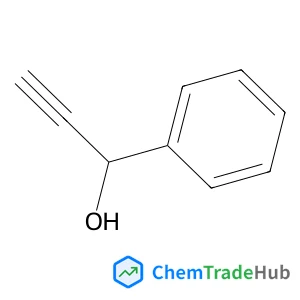
CAS Number
Related Products
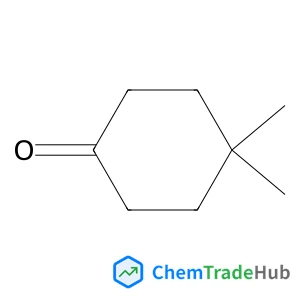
4,4-Dimethylcyclohexanone
CAS Number: 4255-62-3
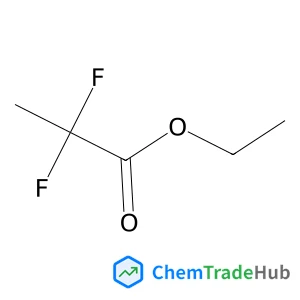
ethyl 2,2-difluoropropanoate
CAS Number: 28781-85-3
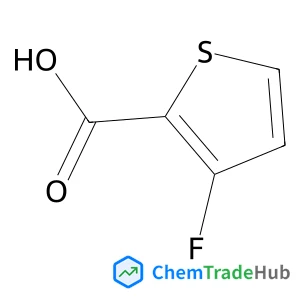
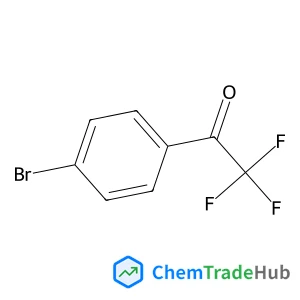
3-Fluoro-2-thiophenecarboxylic acid
CAS Number: 32431-84-8
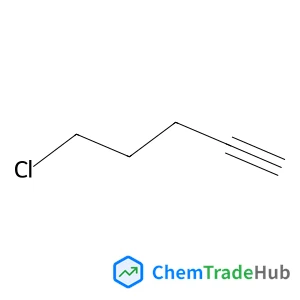
5-Chloro-1-pentyne
CAS Number: 14267-92-6
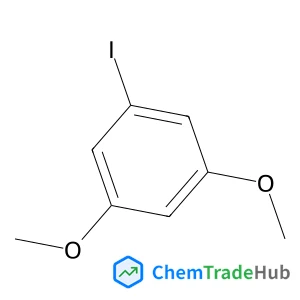
1-Iodo-3,5-dimethoxybenzene
CAS Number: 25245-27-6
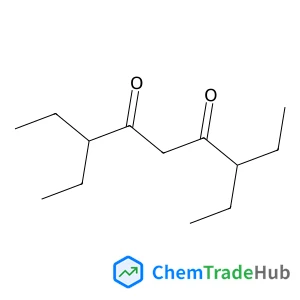
3,7-Diethyl-4,6-nonanedione
CAS Number: 872802-98-7
silane](https://static.chemtradehub.com/structs/161/16116-78-2-a069.webp)
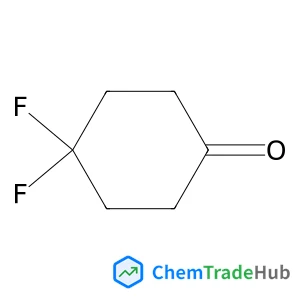
4,4-Difluorocyclohexanone
CAS Number: 22515-18-0
Other Suppliers for 1-Phenyl-2-propyn-1-ol







Basic Information
Molecular Formula
C9H8O
Molecular Weight
132.16 g/mol
Physical Properties
Melting Point
22-23 °C (lit.)
Boiling Point
115°C/14mmHg(lit.)
Chemical Identifiers
SMILES
C#CC(C1=CC=CC=C1)O
InChIKey
UIGLAZDLBZDVBL-UHFFFAOYSA-N
Database References
MDL Number
MFCD00021860
Beilstein Registry Number
742365
FAQ
1-Phenyl-2-propyn-1-ol (CAS: 4187-87-5) is a colorless liquid with a molecular weight of approximately 126.18 g/mol. It has a pKa of around 14.0 and is soluble in ethanol, acetone, and ether. This compound is mildly reactive, particularly towards nucleophiles and reducing agents. It tends to form crystalline solids under certain conditions and exhibits good solubility in organic solvents.
1-Phenyl-2-propyn-1-ol (CAS: 4187-87-5) is typically synthesized via a Grignard reaction, where phenylmagnesium bromide is added to a propargyl halide in an inert organic solvent. This method provides good yield and selectivity. Other routes include the reduction of phenyl acetylene with sodium borohydride, followed by alcohol formation.
1-Phenyl-2-propyn-1-ol (CAS: 4187-87-5) is primarily used in the pharmaceutical industry for the synthesis of drug intermediates. It is also utilized in the polymer industry for the production of certain types of plastics and rubbers. Additionally, it has applications in the semiconductor industry for organic materials and sensors due to its unique chemical properties.
When handling 1-Phenyl-2-propyn-1-ol (CAS: 4187-87-5), appropriate personal protective equipment (PPE) such as gloves, goggles, and a lab coat should be worn. Work should be conducted in a well-ventilated area or fume hood to avoid inhalation. Spills should be contained and cleaned up using appropriate absorbent materials. Refer to the Safety Data Sheet (SDS) for detailed emergency procedures and safe handling instructions.
Safety Notice
Please verify product specifications and safety data before use. Contact the supplier for detailed safety information.
Always follow proper handling procedures