



AD
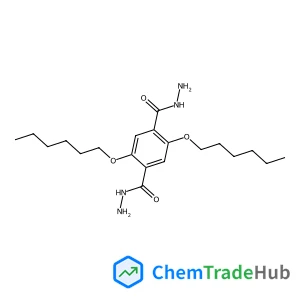
2,5-Bis(hexyloxy)terephthalohydrazide(CAS: 460732-38-1)
CAS Number
Related Products
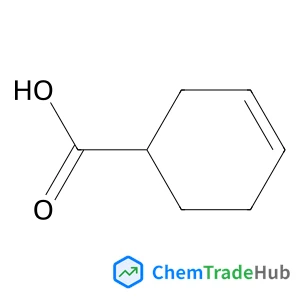
(1S)-3-Cyclohexene-1-carboxylic acid
CAS Number: 5708-19-0
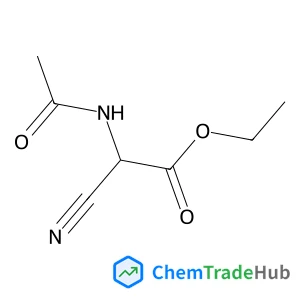
Ethyl Acetamidocyanoacetate
CAS Number: 4977-62-2
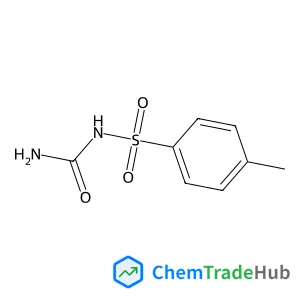
N-Carbamoyl-4-methylbenzenesulfonamide
CAS Number: 1694-06-0
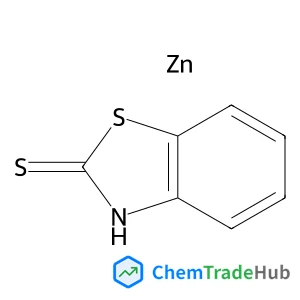
Zinc bis(1,3-benzothiazole-2-thiolate)
CAS Number: 155-04-4
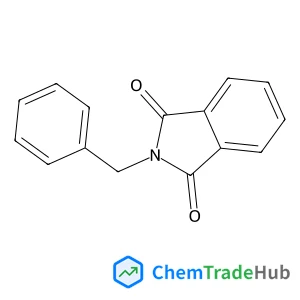
2-Benzyl-1H-isoindole-1,3(2H)-dione
CAS Number: 2142-01-0
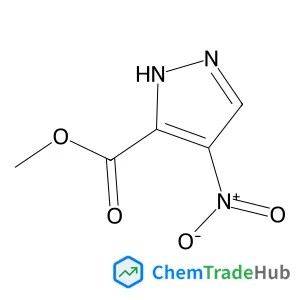
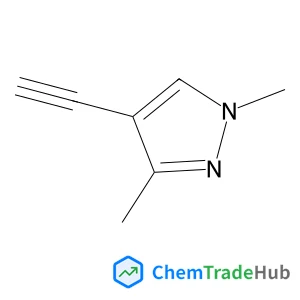
4-Ethynyl-1,3-dimethyl-1H-pyrazole
CAS Number: 61514-53-2
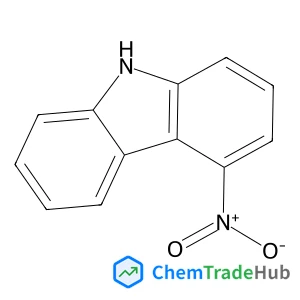
1-Nitro-9H-carbazole
CAS Number: 57905-76-7
Other Suppliers for 2,5-Bis(hexyloxy)terephthalohydrazide
Basic Information
Molecular Formula
C20H34N4O4
Molecular Weight
394.52 g/mol
Chemical Identifiers
SMILES
CCCCCCOc1cc(c(cc1C(=O)NN)OCCCCCC)C(=O)NN
InChIKey
DEOMPZYUKGOIII-UHFFFAOYSA-N
FAQ
2,5-Bis(hexyloxy)terephthalohydrazide is a solid with a crystalline form. The molecular weight is approximately 628.4 g/mol. It has limited water solubility but good solubility in organic solvents. It is relatively stable under normal conditions but shows some reactivity towards strong acids and bases. The compound exhibits amphoteric properties and can undergo condensation reactions under certain conditions.
2,5-Bis(hexyloxy)terephthalohydrazide is usually synthesized via the condensation of terephthaloyl chloride and hexylhydrazine hydrochloride. The reaction is typically carried out in the presence of a catalyst such as triethylamine. The yield is high, and the product is obtained with good selectivity.
2,5-Bis(hexyloxy)terephthalohydrazide is used in the pharmaceutical industry for the synthesis of certain drugs. It is also used in the polymer industry for improving the functionality of polymers. Additionally, it is employed in the sensor industry for developing chemical sensors and in the semiconductor industry for specific applications.
When handling 2,5-Bis(hexyloxy)terephthalohydrazide, it is recommended to use personal protective equipment (PPE) such as gloves, goggles, and a lab coat. Work should be conducted in a well-ventilated area or a fume hood. Spills should be cleaned up with appropriate agents, and the area should be properly decontaminated. Always refer to the Safety Data Sheet (SDS) for specific handling and storage instructions.
Safety Notice
Please verify product specifications and safety data before use. Contact the supplier for detailed safety information.
Always follow proper handling procedures
Contact Information
jacschem@163.com