



AD
2,6-Dimethoxy-3-nitropyridine(CAS: 18677-41-3)
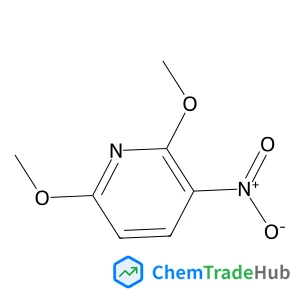
CAS Number
Related Products

(1S)-3-Cyclohexene-1-carboxylic acid
CAS Number: 5708-19-0
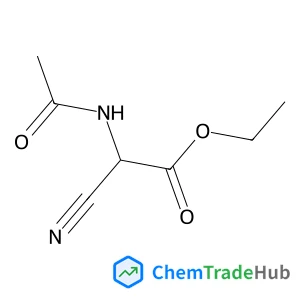
Ethyl Acetamidocyanoacetate
CAS Number: 4977-62-2
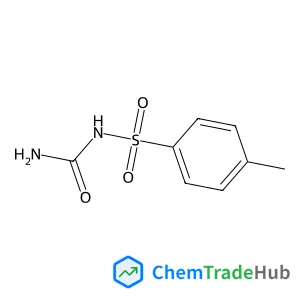
N-Carbamoyl-4-methylbenzenesulfonamide
CAS Number: 1694-06-0
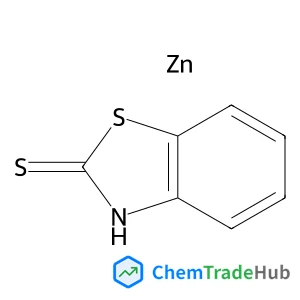
Zinc bis(1,3-benzothiazole-2-thiolate)
CAS Number: 155-04-4
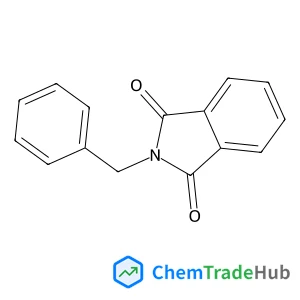
2-Benzyl-1H-isoindole-1,3(2H)-dione
CAS Number: 2142-01-0
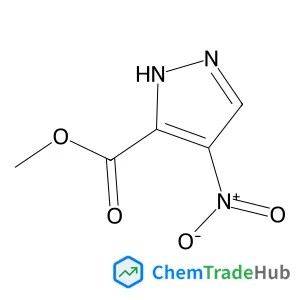
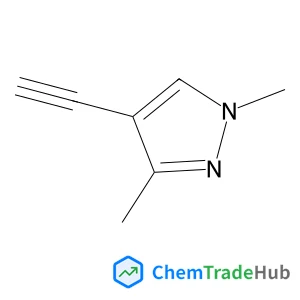
4-Ethynyl-1,3-dimethyl-1H-pyrazole
CAS Number: 61514-53-2
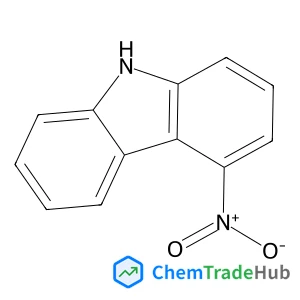
1-Nitro-9H-carbazole
CAS Number: 57905-76-7
Other Suppliers for 2,6-Dimethoxy-3-nitropyridine





Basic Information
Molecular Formula
C7H8N2O4
Molecular Weight
184.15 g/mol
Physical Properties
Melting Point
87-90
Chemical Identifiers
SMILES
COC1=NC(=C(C=C1)[N+](=O)[O-])OC
InChIKey
HZVWNFPJKCNELX-UHFFFAOYSA-N
Database References
MDL Number
MFCD00832858
FAQ
2,6-Dimethoxy-3-nitropyridine (CAS: 18677-41-3) is regulated under various guidelines including the Globally Harmonized System of Classification and Labelling of Chemicals (GHS), REACH regulations in the EU, and FDA and EPA requirements in the United States. It is classified as a hazardous substance due to its potential for causing environmental harm and health risks. Proper labeling, storage, and handling procedures must be followed to comply with these regulations.
Alternative reagents for 2,6-Dimethoxy-3-nitropyridine (CAS: 18677-41-3) include 2-Methoxy-3-nitropyridine, 3-Methoxy-2-nitropyridine, and similar nitro-substituted pyridines. These alternatives can be used depending on the specific reaction conditions and desired product. However, it is important to evaluate the chemical properties and safety profiles of these alternatives to ensure they meet the necessary requirements for the synthesis process.
The market for 2,6-Dimethoxy-3-nitropyridine (CAS: 18677-41-3) is primarily driven by its use in research and development for pharmaceuticals and industrial applications. There is an ongoing trend towards exploring its use in novel drug discovery and synthesis of intermediates. Additionally, there is increasing interest in its environmental impact and the development of safer alternatives. Market trends indicate a continued demand for this compound, though research is focusing on more sustainable and less hazardous chemicals.
Waste containing 2,6-Dimethoxy-3-nitropyridine (CAS: 18677-41-3) should be handled according to the proper waste management procedures outlined in the local regulations. This typically involves collection in appropriate containers, labeling with hazard warnings, and disposal through a licensed hazardous waste facility. Environmental precautions include preventing spills and ensuring that any waste is neutralized or treated before disposal to minimize environmental impact. Safe disposal methods are crucial to protect human health and the environment.
Safety Notice
Please verify product specifications and safety data before use. Contact the supplier for detailed safety information.
Always follow proper handling procedures
Contact Information
jacschem@163.com