



AD
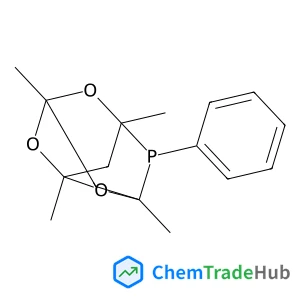
1,3,5,7-Tetramethyl-6-phenyl-2,4,8-trioxa-6-phosphaadamantane(CAS: 97739-46-3)
CAS Number
Related Products
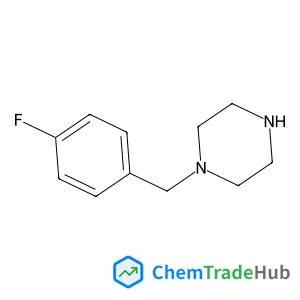
1-(4-Fluorobenzyl)piperazine
CAS Number: 70931-28-1
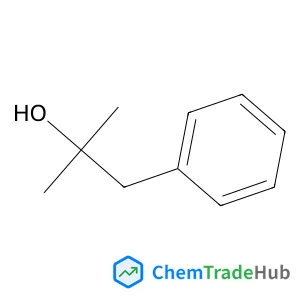
2-Methyl-1-Phenyl-2-Propanol
CAS Number: 100-86-7
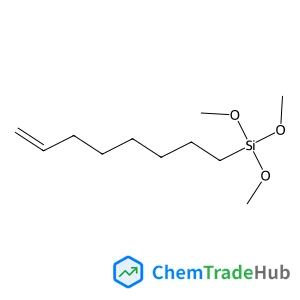
Trimethoxy(7-octen-1-yl)silane
CAS Number: 52217-57-9
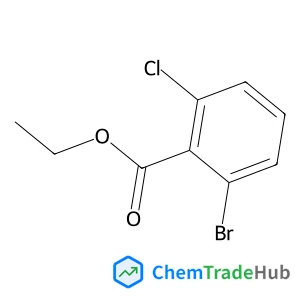
Ethyl 2-bromo-6-chlorobenzoate
CAS Number: 933672-18-5
![Hydrogen [hydroxy(oxo)silyl]silicate](https://static.chemtradehub.com/structs/148/14808-60-7-ed6a.webp)
Hydrogen [hydroxy(oxo)silyl]silicate
CAS Number: 14808-60-7
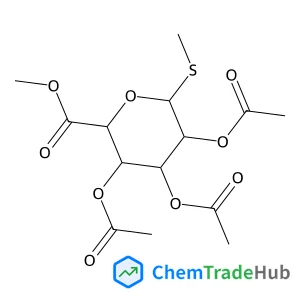
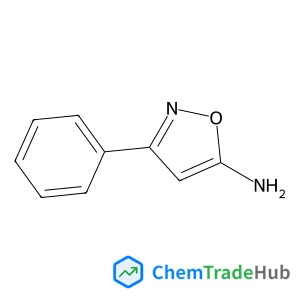
3-Phenyl-1,2-oxazol-5-amine
CAS Number: 4369-55-5
Other Suppliers for 1,3,5,7-Tetramethyl-6-phenyl-2,4,8-trioxa-6-phosphaadamantane







Basic Information
Molecular Formula
C16H21O3P
Molecular Weight
292.31 g/mol
Physical Properties
Melting Point
106-111 °C
Boiling Point
363.4±42.0 °C at 760 mmHg
Density
Not available
Flash Point
213.4±28.2 °C
Chemical Identifiers
SMILES
CC12CC3(OC(O1)(CC(O2)(P3C4=CC=CC=C4)C)C)C
InChIKey
AVVSJWUWBATQBX-UHFFFAOYSA-N
Database References
MDL Number
MFCD10567051
FAQ
This compound falls under the scope of the Globally Harmonized System of Classification and Labelling of Chemicals (GHS) and is subject to classification based on its physical and health hazards. In the European Union, it is also regulated under REACH (Registration, Evaluation, Authorisation and Restriction of Chemicals). For FDA and EPA-related requirements, specific toxicological and environmental impact assessments may be necessary. Companies handling this compound should ensure compliance with all local and international regulations.
Alternative reagents such as 1,3,5,7-Tetramethylphosphorotriamantane or related phosphorus-containing organics can be used as alternatives. However, the choice of alternative depends on the specific reaction conditions, desired product, and the availability of these analogs. Consulting literature and patents can provide insights into suitable substitutes.
The market trend for this compound is driven by its use as a precursor in the synthesis of other organic compounds, particularly those containing phosphorus and carbon functionalities. Research is ongoing in areas such as pharmaceuticals and materials science, where this compound serves as a building block. Price trends and demand are influenced by the availability of raw materials and the development of new applications.
Waste containing this compound should be collected in appropriate containers and disposed of through professional waste disposal services. Incineration is a common method, but it must be conducted in an environmentally controlled incinerator. Environmental protection measures include proper handling to prevent soil and water contamination. Compliance with local waste management regulations is essential.
Safety Notice
Please verify product specifications and safety data before use. Contact the supplier for detailed safety information.
Always follow proper handling procedures
Contact Information
Contact Person
Aladdin
market@aladdin-e.com