



AD
5-Chloro-2-hydroxy-3-nitrobenzoic Acid(CAS: 7195-78-0)
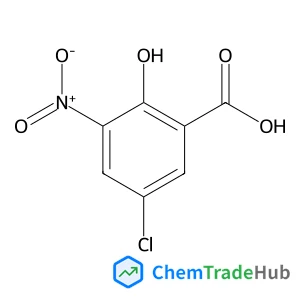
CAS Number
Related Products
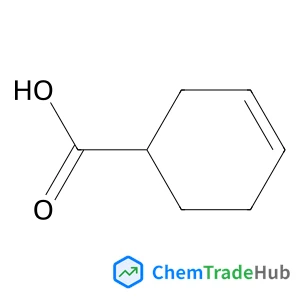
(1S)-3-Cyclohexene-1-carboxylic acid
CAS Number: 5708-19-0
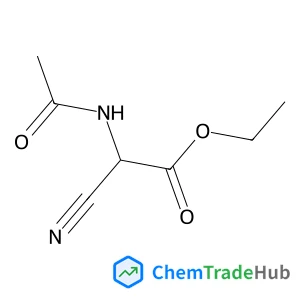
Ethyl Acetamidocyanoacetate
CAS Number: 4977-62-2
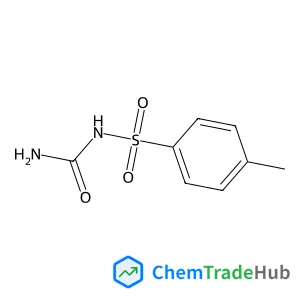
N-Carbamoyl-4-methylbenzenesulfonamide
CAS Number: 1694-06-0
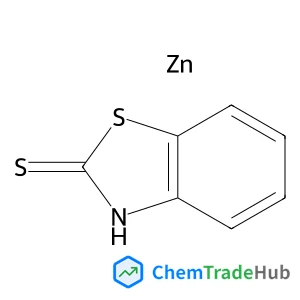
Zinc bis(1,3-benzothiazole-2-thiolate)
CAS Number: 155-04-4
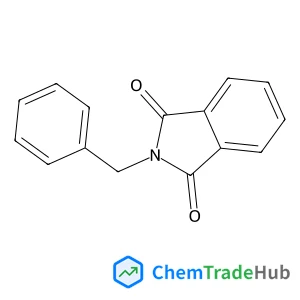
2-Benzyl-1H-isoindole-1,3(2H)-dione
CAS Number: 2142-01-0
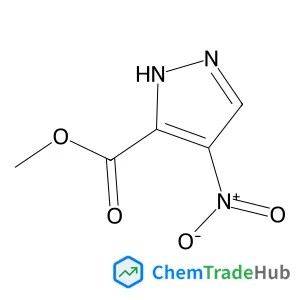
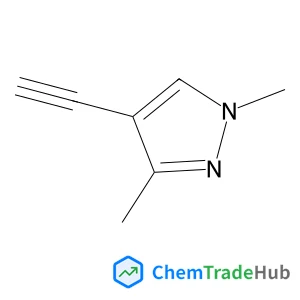
4-Ethynyl-1,3-dimethyl-1H-pyrazole
CAS Number: 61514-53-2
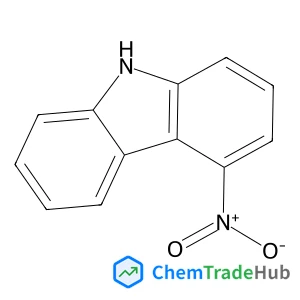
1-Nitro-9H-carbazole
CAS Number: 57905-76-7
Other Suppliers for 5-Chloro-2-hydroxy-3-nitrobenzoic Acid






Basic Information
Molecular Formula
C7H4ClNO5
Molecular Weight
217.56 g/mol
Physical Properties
Melting Point
132-135 °C(lit.)
Chemical Identifiers
SMILES
C1=C(C=C(C(=C1C(=O)O)O)[N+](=O)[O-])Cl
InChIKey
SIYGNKVPVGTIHB-UHFFFAOYSA-N
Database References
MDL Number
MFCD00463867
FAQ
5-Chloro-2-hydroxy-3-nitrobenzoic Acid (CAS: 7195-78-0) is classified under the Globally Harmonized System of Classification and Labelling of Chemicals (GHS) as a hazardous substance due to its toxic and corrosive properties. It is subject to the REACH regulations and must comply with the FDA and EPA for safe handling and disposal. Manufacturers and importers must ensure that they have a safety data sheet (SDS) and follow proper labeling and storage requirements.
Several alternatives to 5-Chloro-2-hydroxy-3-nitrobenzoic Acid (CAS: 7195-78-0) exist in synthesis, including 4-Chloro-3-hydroxy-5-nitrobenzoic acid and 5-Nitro-2-hydroxy-3-methylbenzoic acid. These alternatives can serve as effective substitutes depending on the specific reactions and desired product properties. Common reagents such as sodium nitrite and hydrochloric acid can also be used as alternatives in the synthesis process.
The market for 5-Chloro-2-hydroxy-3-nitrobenzoic Acid (CAS: 7195-78-0) is growing as it is an important intermediate in the pharmaceutical and agrochemical industries. Research trends are focused on developing new synthesis methods and exploring its applications in drug discovery and pesticide development. The demand is expected to increase due to its unique chemical properties and potential in various fields.
Waste containing 5-Chloro-2-hydroxy-3-nitrobenzoic Acid (CAS: 7195-78-0) should be collected in a sealed, leak-proof container and stored in a safe, well-ventilated area away from heat sources. It should be disposed of through professional waste disposal services that comply with local regulations. Incineration is a common method for disposal, but it must be conducted under controlled conditions to prevent environmental pollution. Proper personal protective equipment (PPE) should be used during handling and disposal to ensure safety.
Safety Notice
Please verify product specifications and safety data before use. Contact the supplier for detailed safety information.
Always follow proper handling procedures
Contact Information
jacschem@163.com