



AD
2-Isopropyl-1,3-dioxane-5-carboxylic acid(CAS: 116193-72-7)
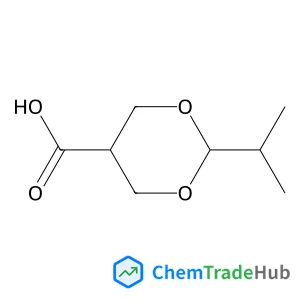
CAS Number
Related Products
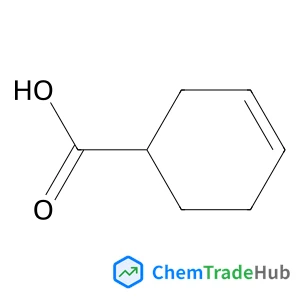
(1S)-3-Cyclohexene-1-carboxylic acid
CAS Number: 5708-19-0
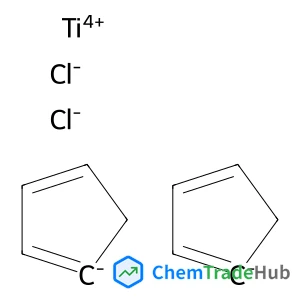
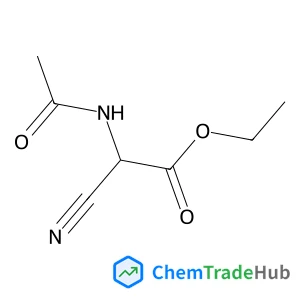
Ethyl Acetamidocyanoacetate
CAS Number: 4977-62-2
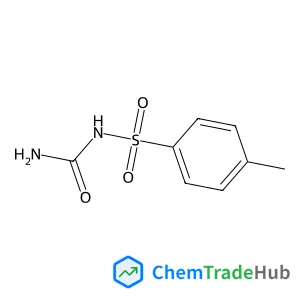
N-Carbamoyl-4-methylbenzenesulfonamide
CAS Number: 1694-06-0
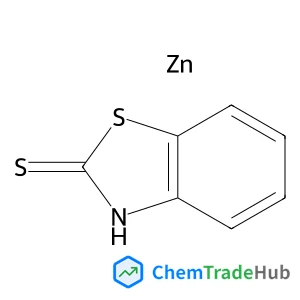
Zinc bis(1,3-benzothiazole-2-thiolate)
CAS Number: 155-04-4
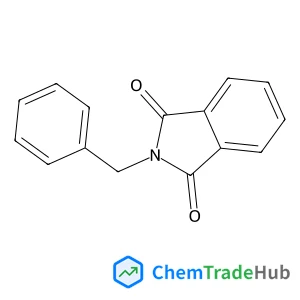
2-Benzyl-1H-isoindole-1,3(2H)-dione
CAS Number: 2142-01-0
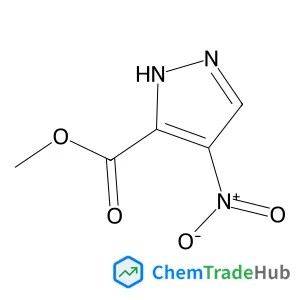
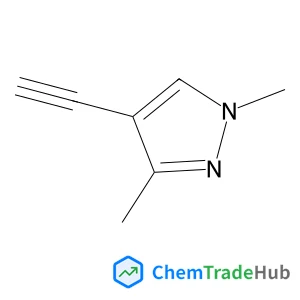
4-Ethynyl-1,3-dimethyl-1H-pyrazole
CAS Number: 61514-53-2
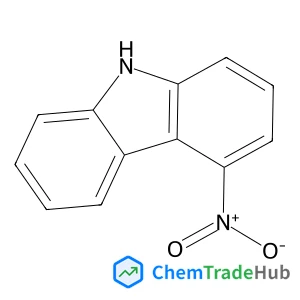
1-Nitro-9H-carbazole
CAS Number: 57905-76-7
Other Suppliers for 2-Isopropyl-1,3-dioxane-5-carboxylic acid


Basic Information
Molecular Formula
C8H14O4
Molecular Weight
174.2 g/mol
Chemical Identifiers
SMILES
CC(C)C1OCC(CO1)C(=O)O
InChIKey
LAMFNZWIXHJCMW-UHFFFAOYSA-N
Database References
MDL Number
MFCD18805724
FAQ
2-Isopropyl-1,3-dioxane-5-carboxylic acid is a colorless liquid with a distinctive odor. It has a molecular weight of approximately 180.26 g/mol. This compound is soluble in water and ethanol. It is relatively stable under normal conditions but can react with strong bases or acids. It is a polar molecule due to the carboxylic acid group, which enhances its solubility in polar solvents.
2-Isopropyl-1,3-dioxane-5-carboxylic acid is typically synthesized by the carboxylation of 2-isopropyl-1,3-dioxane using carbon dioxide and an appropriate catalyst, such as a transition metal complex. The reaction is carried out under high pressure and temperature, and the product is isolated by recrystallization or column chromatography. The process yields a high purity product with good selectivity and yield.
2-Isopropyl-1,3-dioxane-5-carboxylic acid is used in pharmaceuticals for the synthesis of various drugs, in polymers as a monomer or additive, and in sensors and semiconductors for its chemical reactivity and stability. Its versatile chemical properties make it suitable for a range of applications across different industries.
When handling 2-Isopropyl-1,3-dioxane-5-carboxylic acid, it is essential to wear appropriate personal protective equipment (PPE), including gloves, a laboratory coat, and safety goggles. Work should be carried out in a fume hood to minimize inhalation risks. Spills should be cleaned up using appropriate absorbents and disposed of according to local regulations. Always refer to the Safety Data Sheet (SDS) for detailed handling instructions and emergency procedures.
Safety Notice
Please verify product specifications and safety data before use. Contact the supplier for detailed safety information.
Always follow proper handling procedures
Contact Information
jacschem@163.com