



AD
2-amino-3-methylphenol(CAS: 2835-97-4)
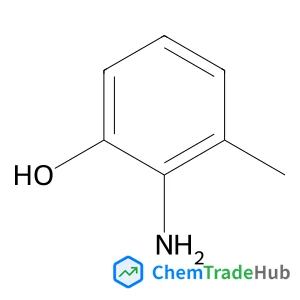
CAS Number
Related Products
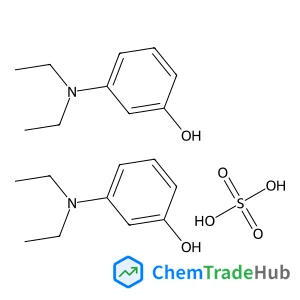
3-(Diethylamino)phenol sulfate (2:1)
CAS Number: 68239-84-9
![3,3'-[Sulfonylbis(4,1-phenyleneoxy)]dianiline](https://static.chemtradehub.com/structs/302/30203-11-3-5f0e.webp)
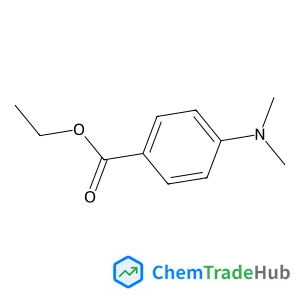
Ethyl 4-(dimethylamino)benzoate
CAS Number: 10287-53-3
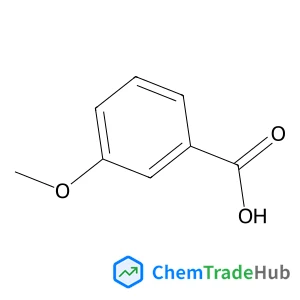
3-Methoxybenzoic acid
CAS Number: 586-38-9
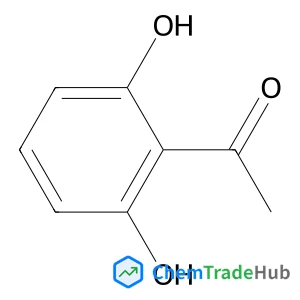
1-(2,6-Dihydroxyphenyl)ethanone
CAS Number: 699-83-2
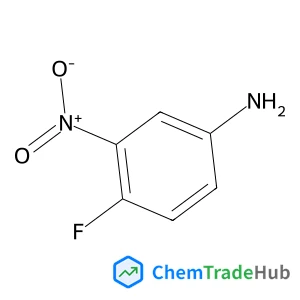
4-Fluoro-3-nitroaniline
CAS Number: 364-76-1
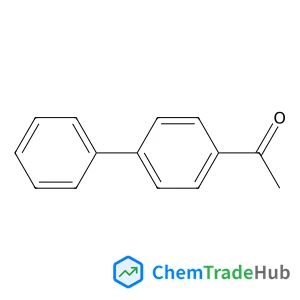
4-Acetylbiphenyl
CAS Number: 92-91-1
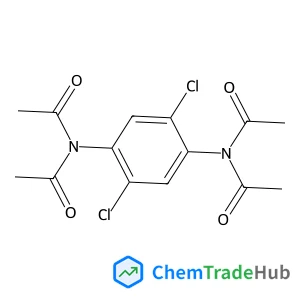
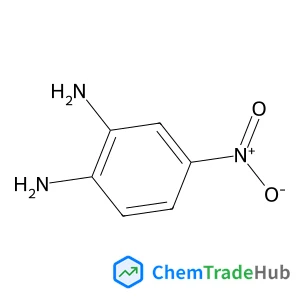
4-Nitro-o-phenylenediamine
CAS Number: 99-56-9
Other Suppliers for 2-amino-3-methylphenol




Basic Information
Molecular Formula
C7H9NO
Molecular Weight
123.16 g/mol
Physical Properties
Melting Point
149-152 °C (lit.)
Boiling Point
240°C at 760 mmHg
Chemical Identifiers
SMILES
CC1=C(C(=CC=C1)O)N
InChIKey
FEDLEBCVFZMHBP-UHFFFAOYSA-N
Database References
MDL Number
MFCD00075082
FAQ
2-Amino-3-methylphenol (CAS: 2835-97-4) is regulated under the Globally Harmonized System of Classification and Labelling of Chemicals (GHS), REACH regulations for EU, and FDA and EPA guidelines in the US. It is classified as a skin and eye irritant under GHS. Companies handling or manufacturing this compound must comply with specific hazard communication, labeling, and safety data sheet requirements.
Alternatives to 2-amino-3-methylphenol (CAS: 2835-97-4) in synthesis include 2-aminophenol and 3-methylphenol. These can be used as starting materials depending on the desired product properties. Additionally, synthesizing 2-amino-3-methylphenol from 2-hydroxybenzene and methylamine is a common route, with other amine derivatives available as substitutes.
The market for 2-amino-3-methylphenol (CAS: 2835-97-4) is driven by its applications in pharmaceuticals, dyes, and organic synthesis. Research trends focus on its role in medicinal chemistry, particularly in developing new drugs. Price trends are influenced by supply chain disruptions and demand fluctuations. Recent studies explore its potential as a precursor for synthesizing more complex compounds.
Waste containing 2-amino-3-methylphenol (CAS: 2835-97-4) should be collected in appropriate containers and disposed of according to local regulations. Incineration is a common method, but professional waste disposal services are recommended to ensure compliance with environmental protection precautions. Neutralization and filtration methods can also be employed to minimize environmental impact.
Safety Notice
Please verify product specifications and safety data before use. Contact the supplier for detailed safety information.
Always follow proper handling procedures