



AD
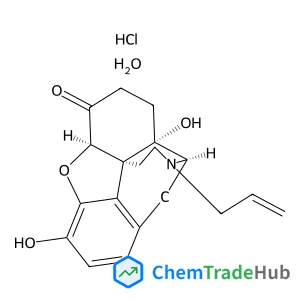
Morphinan-6-one, 4,5-epoxy-3,14-dihydroxy-17-(2-propenyl)-,hydrochloride, dihydrate, (5a)-(CAS: 51481-60-8)
CAS Number
Related Products
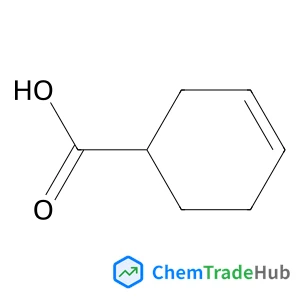
(1S)-3-Cyclohexene-1-carboxylic acid
CAS Number: 5708-19-0
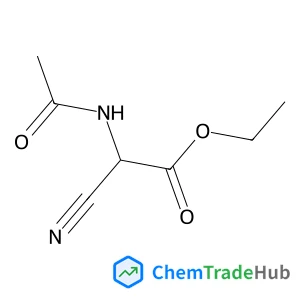
Ethyl Acetamidocyanoacetate
CAS Number: 4977-62-2
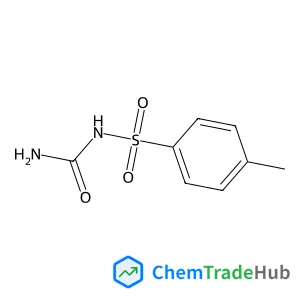
N-Carbamoyl-4-methylbenzenesulfonamide
CAS Number: 1694-06-0
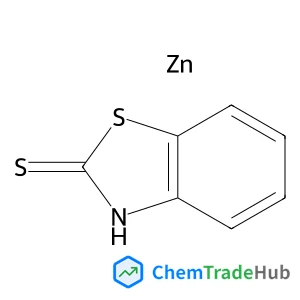
Zinc bis(1,3-benzothiazole-2-thiolate)
CAS Number: 155-04-4
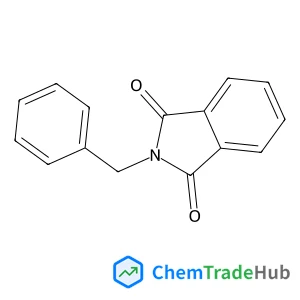
2-Benzyl-1H-isoindole-1,3(2H)-dione
CAS Number: 2142-01-0
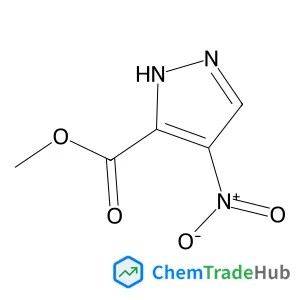
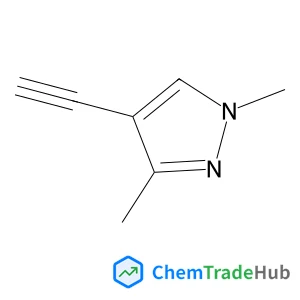
4-Ethynyl-1,3-dimethyl-1H-pyrazole
CAS Number: 61514-53-2
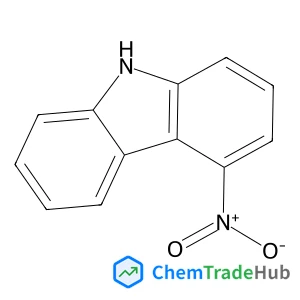
1-Nitro-9H-carbazole
CAS Number: 57905-76-7
Other Suppliers for Morphinan-6-one, 4,5-epoxy-3,14-dihydroxy-17-(2-propenyl)-,hydrochloride, dihydrate, (5a)-



Basic Information
Molecular Formula
C19H24ClNO5
Molecular Weight
381.85 g/mol
Physical Properties
Melting Point
182 °C (dec.)(lit.)
Boiling Point
RELATIVE DENSITY
Flash Point
288.4°C
Chemical Identifiers
SMILES
C=CCN1CC[C@@]23[C@@]4([C@H]1Cc1c3c(O[C@H]2C(=O)CC4)c(cc1)O)O.O.Cl
InChIKey
YCVUZJQETSDTPY-CYTOJJGESA-N
Database References
MDL Number
MFCD00150901
FAQ
The compound falls under the purview of several regulatory frameworks. In the European Union, it is subject to REACH (Registration, Evaluation, Authorization and Restriction of Chemicals) regulations. In the United States, it may require registration with the FDA for pharmaceutical applications and with the EPA for any environmental or industrial use. GHS (Globally Harmonized System of Classification and Labeling of Chemicals) guidelines also apply regarding its hazard communication and classification.
Alternatives in synthesis include using related morphinan derivatives or other opioid precursors like morphine or codeine. Commonly, isomers and analogs such as 3-hydroxy morphinan-6-one or 17-(2-methylpropenyl) derivatives can serve as substitutes. Additionally, alternative reagents like sodium borohydride or lithium aluminum hydride can be used in place of the specific reagents required for this compound.
The current market trend for this compound is driven by research in synthetic opioid analogs for potential therapeutic applications. There is ongoing interest in developing safer and more effective pain management solutions. Research is also exploring the use of this compound in drug development and pharmaceutical applications, particularly in opioid-based medications. Market trends indicate a growing focus on understanding the pharmacological properties and potential therapeutic uses of this compound.
Waste containing this compound should be collected and stored in appropriate, leak-proof containers. It should be neutralized to reduce the risk of hazardous reactions. For proper disposal, the waste should be incinerated in an approved hazardous waste incinerator or handled by a professional waste disposal service. Environmental protection measures include ensuring no spillage or release into the environment, adhering to local and national waste disposal regulations, and following best practices for safe waste management.
Safety Notice
Please verify product specifications and safety data before use. Contact the supplier for detailed safety information.
Always follow proper handling procedures
Contact Information
jacschem@163.com