



AD
2-(2,5-Dichlorophenyl)-1,4-benzoquinone(CAS: 79756-69-7)
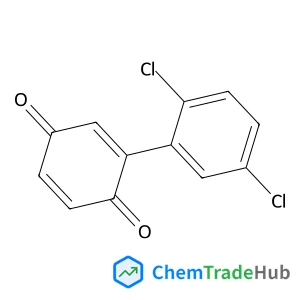
CAS Number
Related Products
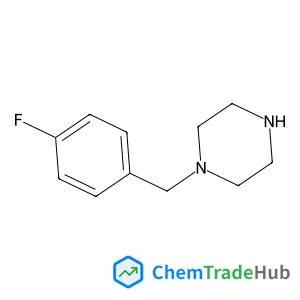
1-(4-Fluorobenzyl)piperazine
CAS Number: 70931-28-1
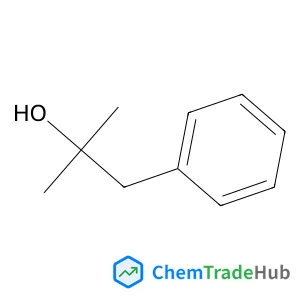
2-Methyl-1-Phenyl-2-Propanol
CAS Number: 100-86-7
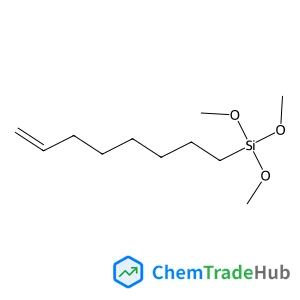
Trimethoxy(7-octen-1-yl)silane
CAS Number: 52217-57-9
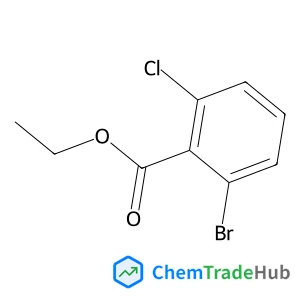
Ethyl 2-bromo-6-chlorobenzoate
CAS Number: 933672-18-5
![Hydrogen [hydroxy(oxo)silyl]silicate](https://static.chemtradehub.com/structs/148/14808-60-7-ed6a.webp)
Hydrogen [hydroxy(oxo)silyl]silicate
CAS Number: 14808-60-7

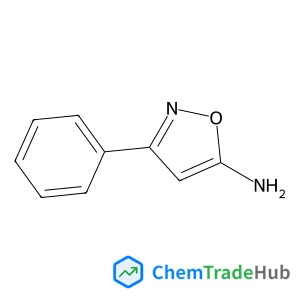
3-Phenyl-1,2-oxazol-5-amine
CAS Number: 4369-55-5
Other Suppliers for 2-(2,5-Dichlorophenyl)-1,4-benzoquinone





Basic Information
Molecular Formula
C12H6Cl2O2
Molecular Weight
253.08 g/mol
Chemical Identifiers
SMILES
O=C(C=C1)C(C2=CC(Cl)=CC=C2Cl)=CC1=O
InChIKey
ZKHFYORNAYYOTM-UHFFFAOYSA-N
Database References
MDL Number
MFCD00448731
FAQ
2-(2,5-Dichlorophenyl)-1,4-benzoquinone is classified under the Globally Harmonized System of Classification and Labelling of Chemicals (GHS) as a toxic substance. It is regulated under REACH in the European Union, requiring registration if manufactured or imported in significant quantities. In the U.S., the Environmental Protection Agency (EPA) and the Food and Drug Administration (FDA) may also have specific requirements and restrictions related to handling, storage, and disposal.
Alternatives to 2-(2,5-Dichlorophenyl)-1,4-benzoquinone include other benzoquinones or their derivatives, such as chlorinated or brominated analogs. Common alternative reagents include 2,5-dichlorophenol and 1,4-benzoquinone. These alternatives may offer similar reactivity but with different environmental and health impacts, which should be considered in synthesis planning.
The market for 2-(2,5-Dichlorophenyl)-1,4-benzoquinone is influenced by its use in industrial processes, particularly in the synthesis of pharmaceuticals and dyes. Research trends focus on developing more environmentally friendly alternatives and understanding its environmental impact. The trend towards sustainable chemistry and green chemistry is expected to drive innovation in the use and production of this compound.
Waste containing 2-(2,5-Dichlorophenyl)-1,4-benzoquinone should be collected in appropriate containers and disposed of through professional waste disposal services. Incineration is a common method, but it must be conducted under controlled conditions to minimize environmental impact. Environmental protection measures include proper handling to prevent spillage and ensure that all safety guidelines, such as those from OSHA and EPA, are followed.
Safety Notice
Please verify product specifications and safety data before use. Contact the supplier for detailed safety information.
Always follow proper handling procedures
Contact Information
Contact Person
Aladdin
market@aladdin-e.com