



AD
4-(4-Hydroxyphenyl)but-3-en-2-one(CAS: 3160-35-8)
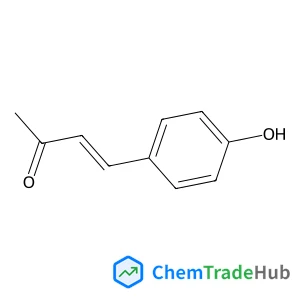
CAS Number
Related Products
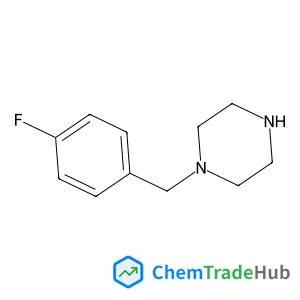
1-(4-Fluorobenzyl)piperazine
CAS Number: 70931-28-1
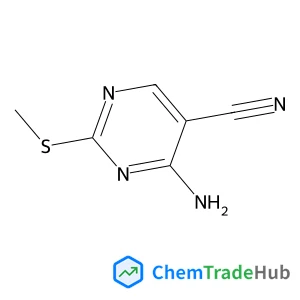
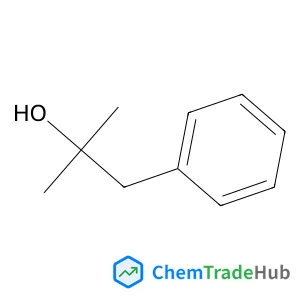
2-Methyl-1-Phenyl-2-Propanol
CAS Number: 100-86-7
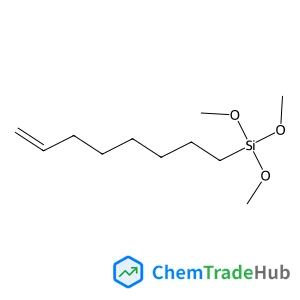
Trimethoxy(7-octen-1-yl)silane
CAS Number: 52217-57-9
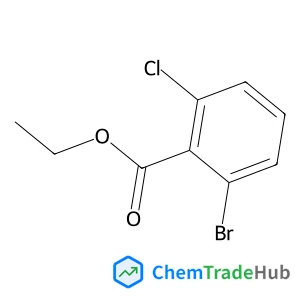
Ethyl 2-bromo-6-chlorobenzoate
CAS Number: 933672-18-5
![Hydrogen [hydroxy(oxo)silyl]silicate](https://static.chemtradehub.com/structs/148/14808-60-7-ed6a.webp)
Hydrogen [hydroxy(oxo)silyl]silicate
CAS Number: 14808-60-7

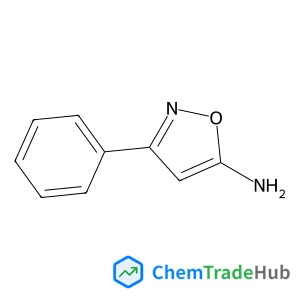
3-Phenyl-1,2-oxazol-5-amine
CAS Number: 4369-55-5
Other Suppliers for 4-(4-Hydroxyphenyl)but-3-en-2-one





Basic Information
Molecular Formula
C10H10O2
Molecular Weight
162.19 g/mol
Physical Properties
Melting Point
104.0 to 109.0 deg-C
Boiling Point
318.1 °C at 760 mmHg
Density
1.138
Flash Point
134.8 °C
Chemical Identifiers
SMILES
CC(=O)C=CC1=CC=C(C=C1)O
InChIKey
OCNIKEFATSKIBE-NSCUHMNNSA-N
Database References
MDL Number
MFCD00016490
Beilstein Registry Number
2412544
FAQ
4-(4-Hydroxyphenyl)but-3-en-2-one (CAS: 3160-35-8) falls under the GHS classification as a chemical that may cause skin irritation and eye irritation. Under REACH regulations, it is classified as a substance of very high concern due to its carcinogenic potential. FDA and EPA require strict handling and storage conditions to prevent exposure. Companies must comply with these guidelines to ensure safety and regulatory compliance.
Yes, several alternatives can be used in the synthesis of 4-(4-Hydroxyphenyl)but-3-en-2-one (CAS: 3160-35-8). Common substitutes include 4-hydroxybenzaldehyde and 4-methyl-3-pentenoic acid. These alternatives offer similar functionality but may have different reactivity and synthesis conditions, making them viable options for researchers and manufacturers.
The market for 4-(4-Hydroxyphenyl)but-3-en-2-one (CAS: 3160-35-8) is growing due to its applications in pharmaceuticals and agrochemicals. Recent research trends focus on its potential as a precursor for the synthesis of various bioactive compounds. Price trends indicate a steady demand, with minor fluctuations tied to supply chain issues and raw material costs. Emerging research is exploring its use in natural product chemistry and as a possible antioxidant.
Waste containing 4-(4-Hydroxyphenyl)but-3-en-2-one (CAS: 3160-35-8) should be collected in a sealed container and disposed of according to local hazardous waste regulations. Incineration is a common method for disposal, ensuring complete destruction of the compound. Alternatively, professional waste disposal services can handle the waste safely. Environmental protection measures include minimizing spillage and ensuring proper handling to prevent contamination of water and soil.
Safety Notice
Please verify product specifications and safety data before use. Contact the supplier for detailed safety information.
Always follow proper handling procedures
Contact Information
Contact Person
Aladdin
market@aladdin-e.com