



AD
(2E)-3-(3-Chlorophenyl)acrylic acid(CAS: 14473-90-6)
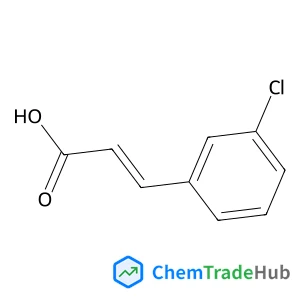
CAS Number
Related Products
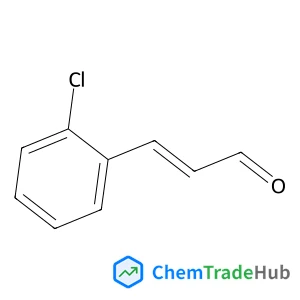
(2E)-3-(2-Chlorophenyl)acrylaldehyde
CAS Number: 138555-57-4
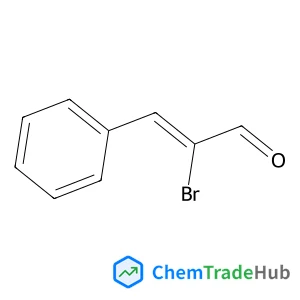
α-Bromocinnamaldehyde
CAS Number: 5443-49-2
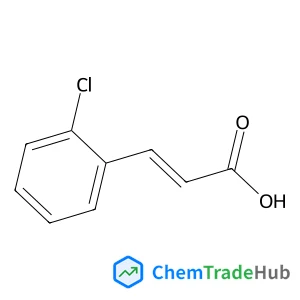
3-(2-Chlorophenyl)acrylic acid
CAS Number: 3752-25-8
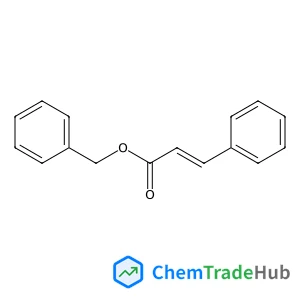
Benzyl cinnamate
CAS Number: 103-41-3
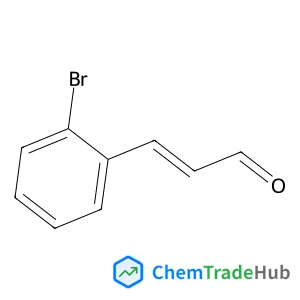
(2E)-3-(2-Bromophenyl)acrylaldehyde
CAS Number: 138555-58-5
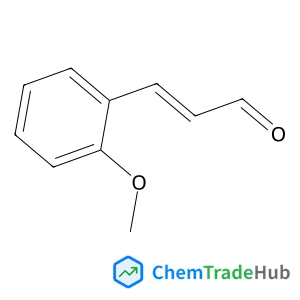
2-Propenal, 3-(2-methoxyphenyl)-
CAS Number: 1504-74-1
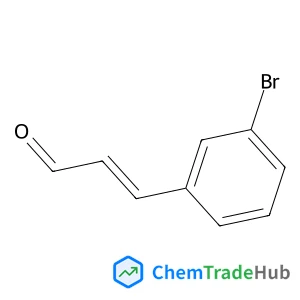
3-(3-Bromophenyl)acrylaldehyde
CAS Number: 97985-66-5
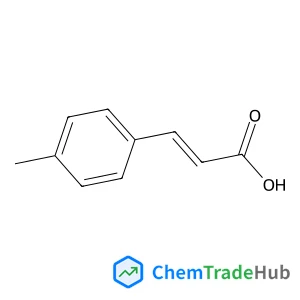
4-Methylcinnamic acid
CAS Number: 1866-39-3
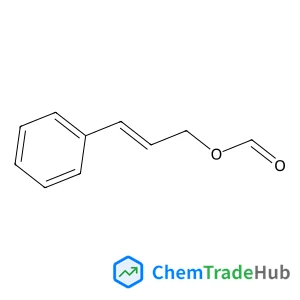
Cinnamyl formate
CAS Number: 104-65-4
Other Suppliers for (2E)-3-(3-Chlorophenyl)acrylic acid






Basic Information
Molecular Formula
C9H7ClO2
Molecular Weight
182.61 g/mol
Physical Properties
Melting Point
161-164 °C(lit.)
Boiling Point
260.71°C (rough estimate)
Chemical Identifiers
SMILES
C1=CC(=CC(=C1)Cl)C=CC(=O)O
InChIKey
FFKGOJWPSXRALK-SNAWJCMRSA-N
Database References
MDL Number
MFCD00004384
FAQ
Regulatory guidelines for (2E)-3-(3-Chlorophenyl)acrylic acid (CAS: 14473-90-6) include OSHA, EPA, and REACH regulations. It is classified as a hazardous substance under GHS (Globally Harmonized System of Classification and Labelling of Chemicals) due to its corrosive properties. Specific attention should be given to its handling, storage, and disposal according to local and international regulations.
There are several alternatives to (2E)-3-(3-Chlorophenyl)acrylic acid in synthesis, such as (2Z)-3-(3-Chlorophenyl)acrylic acid, which can be used as an isomer. Common substitute reagents include other acrylic acid derivatives and similar organic compounds with similar functional groups. These alternatives can offer similar reactivity while potentially reducing the complexity or cost of the synthesis.
The market for (2E)-3-(3-Chlorophenyl)acrylic acid is growing with increasing demand in pharmaceuticals, agrochemicals, and polymer industries. Research trends focus on developing new applications and improving synthetic methods. The compound is also being explored for its anti-inflammatory and analgesic properties in pharmaceutical research. Market trends indicate a steady increase due to its versatile functionality.
Waste containing (2E)-3-(3-Chlorophenyl)acrylic acid should be collected in appropriate waste containers and disposed of according to local regulations. It is recommended to incinerate hazardous waste or use professional waste disposal services. Environmental protection precautions include ensuring proper ventilation and the use of personal protective equipment to avoid exposure to the compound. Compliance with EPA and OSHA guidelines is crucial for safe waste handling and disposal.
Safety Notice
Please verify product specifications and safety data before use. Contact the supplier for detailed safety information.
Always follow proper handling procedures
Contact Information
Contact Person
Liu Shentao
80172845@qq.com