



AD
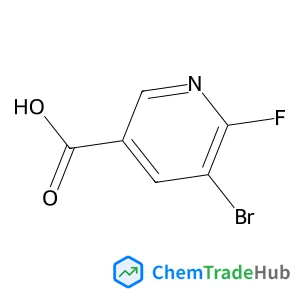
5-Bromo-6-fluoronicotinic acid(CAS: 29241-63-2)
CAS Number
Related Products
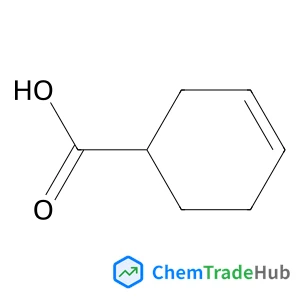
(1S)-3-Cyclohexene-1-carboxylic acid
CAS Number: 5708-19-0
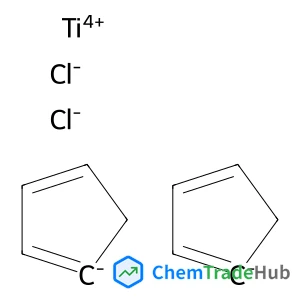
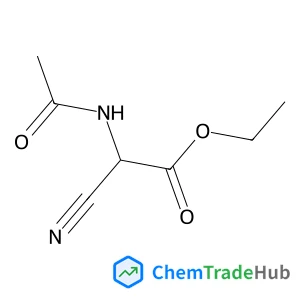
Ethyl Acetamidocyanoacetate
CAS Number: 4977-62-2
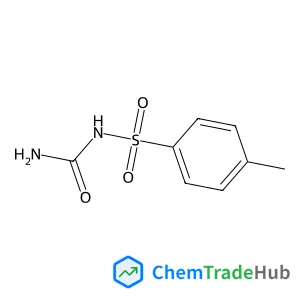
N-Carbamoyl-4-methylbenzenesulfonamide
CAS Number: 1694-06-0
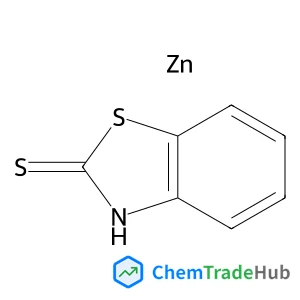
Zinc bis(1,3-benzothiazole-2-thiolate)
CAS Number: 155-04-4
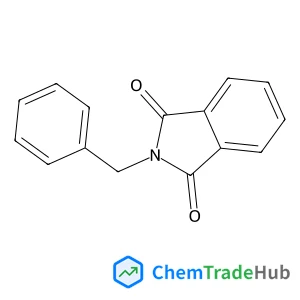
2-Benzyl-1H-isoindole-1,3(2H)-dione
CAS Number: 2142-01-0
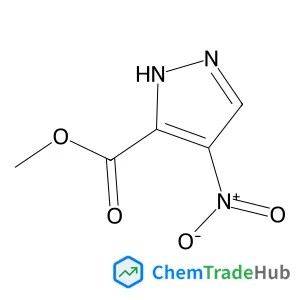
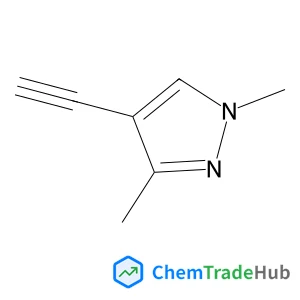
4-Ethynyl-1,3-dimethyl-1H-pyrazole
CAS Number: 61514-53-2
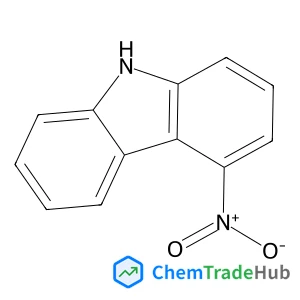
1-Nitro-9H-carbazole
CAS Number: 57905-76-7
Other Suppliers for 5-Bromo-6-fluoronicotinic acid



Basic Information
Molecular Formula
C6H3BrFNO2
Molecular Weight
220 g/mol
Physical Properties
Boiling Point
338.618°C at 760 mmHg
Flash Point
158.591°C
Chemical Identifiers
SMILES
C1=C(C=NC(=C1Br)F)C(=O)O
InChIKey
VZBMIACXKWJDNS-UHFFFAOYSA-N
Database References
MDL Number
MFCD11036154
FAQ
5-Bromo-6-fluoronicotinic acid is a crystalline compound with a molecular weight of approximately 213.03 g/mol. It has a solubility of about 0.13 g/100 mL in water. This compound is reactive towards nucleophiles and can undergo substitution reactions. It is also acidic and can form salts with bases.
5-Bromo-6-fluoronicotinic acid is commonly synthesized through the bromination of 6-fluoronicotinic acid followed by an intermolecular Friedel-Crafts acylation. The reaction typically requires a Lewis acid catalyst such as aluminum chloride. The yield is generally around 70-80%, and the process requires careful control of temperature and reaction time to achieve high purity.
5-Bromo-6-fluoronicotinic acid is primarily used in the pharmaceutical and chemical industries. It serves as a key intermediate in the synthesis of various drugs, particularly those targeting the nervous system. Additionally, it finds applications in the development of sensors and as a reagent in academic research for studying organic transformations.
When handling 5-Bromo-6-fluoronicotinic acid, it is essential to wear appropriate personal protective equipment (PPE) such as chemical-resistant gloves, safety goggles, and a lab coat. Work should be performed in a well-ventilated area or a fume hood to minimize exposure to the fumes. Proper spill disposal procedures should be followed, and the Material Safety Data Sheet (MSDS) should be consulted for detailed safety information.
Safety Notice
Please verify product specifications and safety data before use. Contact the supplier for detailed safety information.
Always follow proper handling procedures
Contact Information
jacschem@163.com