



AD
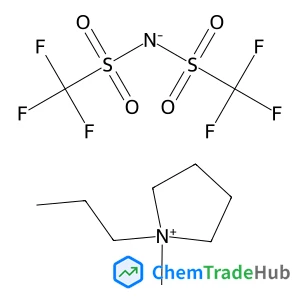
bis(trifluoromethylsulfonyl)azanide;1-methyl-1-propylpyrrolidin-1-ium(CAS: 223437-05-6)
CAS Number
Related Products
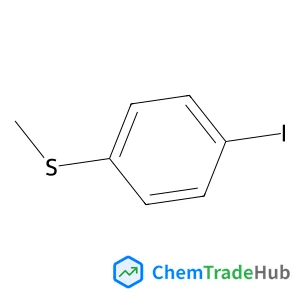
1-Iodo-4-(methylsulfanyl)benzene
CAS Number: 35371-03-0
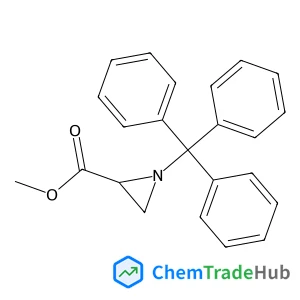

Dichloro-lambda~2~-plumbane
CAS Number: 7758-95-4
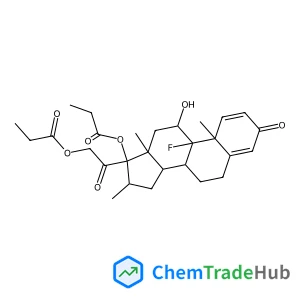
PUMICE STONE
CAS Number: 1332-09-8
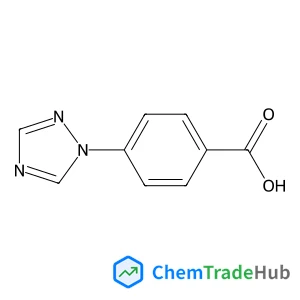
4-(1H-1,2,4-Triazol-1-yl)benzoic acid
CAS Number: 162848-16-0

2,3-Dibromobutane
CAS Number: 5408-86-6
SOYBEAN MEAL
CAS Number: 68308-36-1
![2-Chloro-N-[2-(2,6-dioxo-3-piperidinyl)-1,3-dioxo-2,3-dihydro-1H-isoindol-4-yl]acetamide](https://static.chemtradehub.com/structs/444/444287-84-7-fa4b.webp)
Other Suppliers for bis(trifluoromethylsulfonyl)azanide;1-methyl-1-propylpyrrolidin-1-ium











Basic Information
Molecular Formula
C10H18F6N2O4S2
Molecular Weight
408.38 g/mol
Physical Properties
Melting Point
12°C(lit.)
Chemical Identifiers
SMILES
CCC[N+]1(C)CCCC1.FC(F)(F)S(=O)(=O)[N-]S(=O)(=O)C(F)(F)F
InChIKey
DKNRELLLVOYIIB-UHFFFAOYSA-N
Database References
MDL Number
MFCD00004188
FAQ
Bis(trifluoromethylsulfonyl)azanide (CAS: 223437-05-6) is classified under the Globally Harmonized System (GHS) as a Category 1A Flammable Liquid. It is regulated under REACH in the EU, requiring a safety data sheet (SDS) and identification of any potential hazardous properties. The FDA and EPA require reporting on the use, storage, and disposal of this compound due to its flammability and potential for environmental hazards.
Alternatives to bis(trifluoromethylsulfonyl)azanide include other strong bases such as tributylamine and potassium tert-butoxide. For specific applications, dimethylaminopyridine and 4-(dimethylamino)pyridine (DMAP) can be used as milder alternatives. These alternatives may offer varying levels of reactivity and compatibility with different substrates.
The market for bis(trifluoromethylsulfonyl)azanide (CAS: 223437-05-6) is growing due to its use in organic synthesis, particularly in the formation of C-H bonds and the preparation of complex organic molecules. Research trends are focusing on its applications in medicinal chemistry and materials science. However, the increasing emphasis on safer and more sustainable reagents may limit its market expansion.
Waste containing bis(trifluoromethylsulfonyl)azanide (CAS: 223437-05-6) should be collected in appropriate containers and properly labeled. For small quantities, incineration is a common disposal method. For larger amounts, professional waste disposal services are recommended. Ensure that all disposal methods comply with local, national, and international regulations to minimize environmental impact and ensure safety.
Safety Notice
Please verify product specifications and safety data before use. Contact the supplier for detailed safety information.
Always follow proper handling procedures
Contact Information
Contact Person
Ludu
order@canspecsci.com