



AD
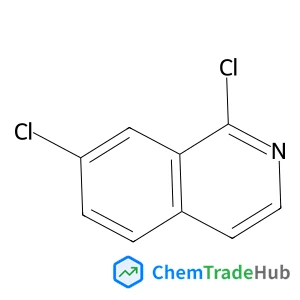
1,7-Dichloroisoquinoline(CAS: 70810-24-1)
CAS Number
Related Products
![2-Methyl-2-propanyl [(2R)-1-hydroxy-2-propanyl]carbamate](https://static.chemtradehub.com/structs/106/106391-86-0-8397.webp)
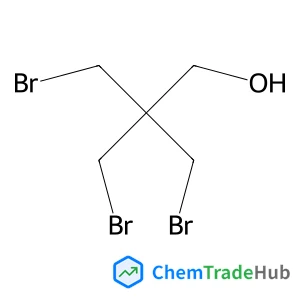
3-Bromo-2,2-bis(bromomethyl)-1-propanol
CAS Number: 1522-92-5
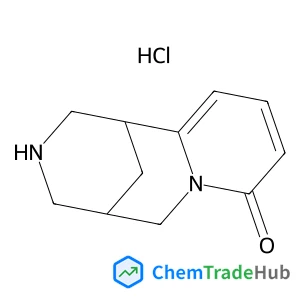
Cytisine hydrochloride
CAS Number: 6047-01-4
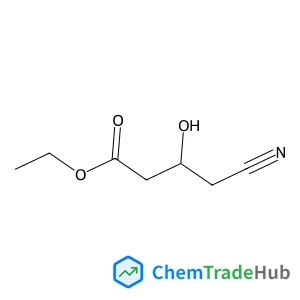
Atorvastatin Impurity 55
CAS Number: 141942-85-0
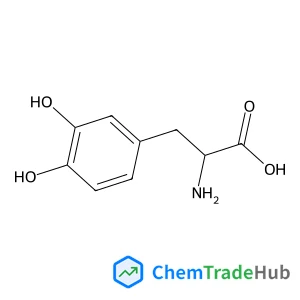
3-Hydroxy-D-tyrosine
CAS Number: 5796-17-8
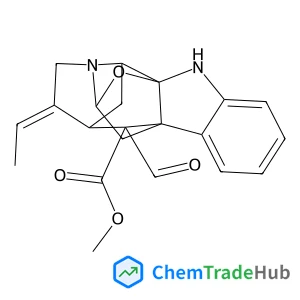
Picralinal
CAS Number: 20045-06-1
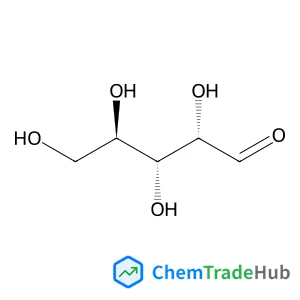
D-Arabinose
CAS Number: 9032-75-1
![(3aS,9R,9aS,9bS)-9-Hydroxy-6,9-dimethyl-3-methylene-3a,4,5,7,8,9,9a,9b-octahydroazuleno[4,5-b]furan-2(3H)-one](https://static.chemtradehub.com/structs/683/68370-47-8-daf4.webp)
Other Suppliers for 1,7-Dichloroisoquinoline




Basic Information
Molecular Formula
C9H5Cl2N
Molecular Weight
198.05 g/mol
Physical State
Pale-yellow to Yellow-brown Solid
Physical Properties
Boiling Point
316°C at 760 mmHg
Density
1.407
Chemical Identifiers
SMILES
C1=CC(=CC2=C1C=CN=C2Cl)Cl
InChIKey
NRBSVPXPMBQUGX-UHFFFAOYSA-N
Database References
MDL Number
MFCD11846494
FAQ
1,7-Dichloroisoquinoline (CAS: 70810-24-1) falls under the classification of a hazardous chemical according to the GHS (Globally Harmonized System of Classification and Labeling of Chemicals). It is regulated by the REACH (Registration, Evaluation, Authorisation and Restriction of Chemicals) in the European Union and the EPA in the United States. Manufacturers and importers must ensure compliance with these regulations, including proper labeling, documentation, and reporting requirements.
Alternatives to 1,7-Dichloroisoquinoline include other isoquinoline derivatives such as 1,8-dichloroisoquinoline and 1,7-difluoroisoquinoline. Researchers may also consider using substituted isoquinolines as alternatives based on the specific requirements of the synthesis. These alternatives can offer similar functionalities but with different reactivity and stability characteristics.
1,7-Dichloroisoquinoline (CAS: 70810-24-1) has seen growing interest in recent years due to its potential applications in pharmaceuticals and organic synthesis. The market trend reflects increasing research efforts in developing new drugs and materials, which has driven the demand for this compound. Additionally, there are ongoing studies exploring its use in the design of novel chemical products.
Waste containing 1,7-Dichloroisoquinoline (CAS: 70810-24-1) should be carefully managed to ensure environmental safety. It is recommended to collect the waste in appropriate containers and dispose of it through a licensed hazardous waste disposal service. Incineration or other professional waste disposal methods should be used to minimize environmental impact. Proper handling and disposal should comply with local regulations and safety guidelines.
Safety Notice
Please verify product specifications and safety data before use. Contact the supplier for detailed safety information.
Always follow proper handling procedures
Contact Information
2423903095@qq.com