



AD
2,6-Dibromoanthracene(CAS: 186517-01-1)
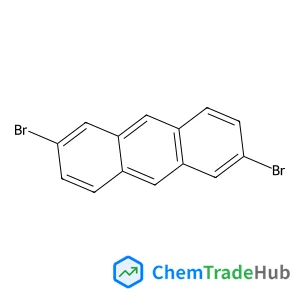
CAS Number
Related Products
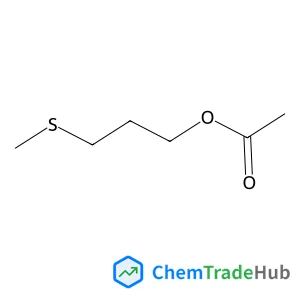
3-(Methylsulfanyl)propyl acetate
CAS Number: 16630-55-0
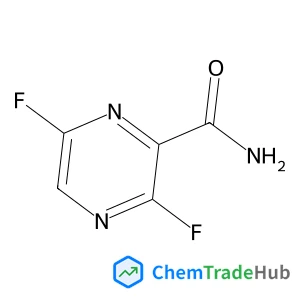
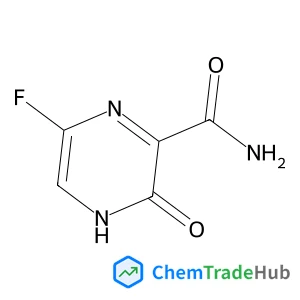
3,6-Difluoro-2-pyrazinecarboxamide
CAS Number: 356783-29-4
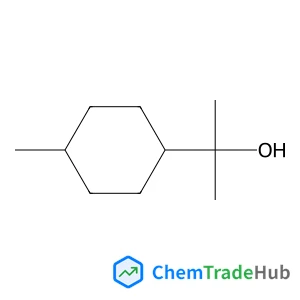
Dihydro-α-terpineol
CAS Number: 498-81-7

Copper(1+) sulfidocopper
CAS Number: 22205-45-4
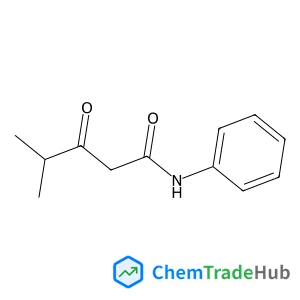
Atorvastatin Impurity 56
CAS Number: 124401-38-3
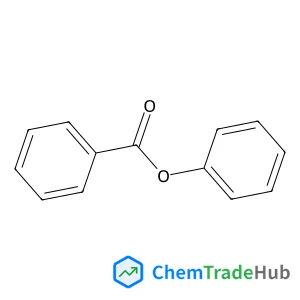
Phenyl Benzoate
CAS Number: 93-99-2
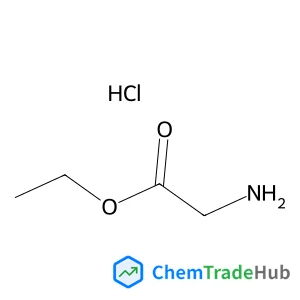
Glycine ethyl ester monohydrochloride
CAS Number: 623-33-6

Pentafluoroethanesulfonic acid
CAS Number: 354-88-1
Other Suppliers for 2,6-Dibromoanthracene





Basic Information
Molecular Formula
C14H8Br2
Molecular Weight
336.03 g/mol
Physical Properties
Boiling Point
438.755 ℃ at 760 mmHg
Density
1.768
Flash Point
438.755 °C at 760 mmHg
Chemical Identifiers
SMILES
C1=CC(=CC2=CC3=C(C=C21)C=C(C=C3)Br)Br
InChIKey
BPRGLVVFWRNXEP-UHFFFAOYSA-N
Database References
MDL Number
MFCD08276341
FAQ
2,6-Dibromoanthracene (CAS: 186517-01-1) is a solid with a crystalline form. Its molecular weight is approximately 314.11 g/mol. It has low water solubility and is more soluble in organic solvents. Chemically, it is relatively stable but can undergo bromination reactions under certain conditions. It is used in various applications due to its unique optical and electronic properties.
2,6-Dibromoanthracene (CAS: 186517-01-1) can be synthesized by bromination of anthracene using N-bromosuccinimide (NBS) or bromine in the presence of a Lewis acid like aluminum chloride. The reaction is typically performed under an inert atmosphere to prevent side reactions. The product can be purified by recrystallization or column chromatography.
2,6-Dibromoanthracene (CAS: 186517-01-1) is used in pharmaceuticals for developing photoactive compounds, in polymers for enhancing electronic properties, in sensors for detecting organic vapors, and in semiconductors for creating novel materials with specific band gaps. Its unique optical and electronic properties make it valuable in these industries.
When handling 2,6-Dibromoanthracene (CAS: 186517-01-1), it is important to wear appropriate personal protective equipment (PPE) such as gloves, goggles, and a lab coat. Work should be conducted in a well-ventilated area or a fume hood to avoid inhalation exposure. Spills should be handled with caution using appropriate absorbent materials. Refer to the material safety data sheet (MSDS) for detailed safety information and emergency procedures.
Safety Notice
Please verify product specifications and safety data before use. Contact the supplier for detailed safety information.
Always follow proper handling procedures
Contact Information
1018283355@qq.com
Mobile
15172537016
Telephone
027-59503710
Fax
QQ联系更便捷,QQ:1018283355,1018289922
Visit Website
http://www.xinhonglichem.com