



AD
(2-Aminophenyl)boronic acid hydrochloride (1:1)(CAS: 863753-30-4)
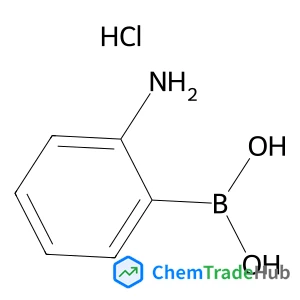
CAS Number
Related Products
![2-Methyl-2-propanyl [(2R)-1-hydroxy-2-propanyl]carbamate](https://static.chemtradehub.com/structs/106/106391-86-0-8397.webp)
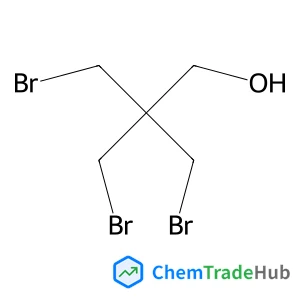
3-Bromo-2,2-bis(bromomethyl)-1-propanol
CAS Number: 1522-92-5
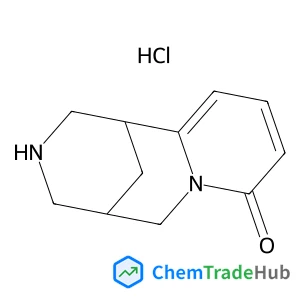
Cytisine hydrochloride
CAS Number: 6047-01-4
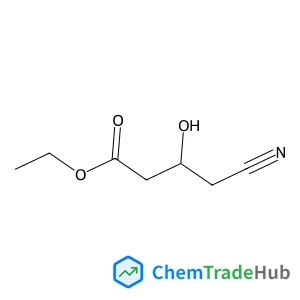
Atorvastatin Impurity 55
CAS Number: 141942-85-0
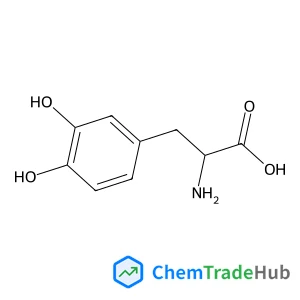
3-Hydroxy-D-tyrosine
CAS Number: 5796-17-8
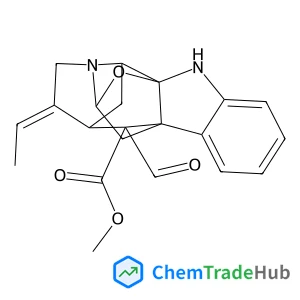
Picralinal
CAS Number: 20045-06-1
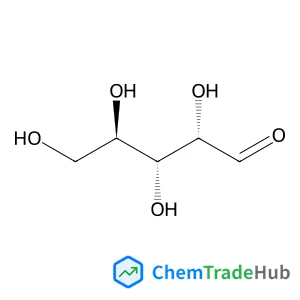
D-Arabinose
CAS Number: 9032-75-1
![(3aS,9R,9aS,9bS)-9-Hydroxy-6,9-dimethyl-3-methylene-3a,4,5,7,8,9,9a,9b-octahydroazuleno[4,5-b]furan-2(3H)-one](https://static.chemtradehub.com/structs/683/68370-47-8-daf4.webp)
Other Suppliers for (2-Aminophenyl)boronic acid hydrochloride (1:1)




Basic Information
Molecular Formula
C6H9BClNO2
Molecular Weight
173.41 g/mol
Physical Properties
Melting Point
145-156 °C
Boiling Point
346.9°C at 760 mmHg
Flash Point
163.6°C
Chemical Identifiers
SMILES
OB(C1=CC=CC=C1N)O.[H]Cl
InChIKey
WPDASZCYRKGSTO-UHFFFAOYSA-N
Database References
MDL Number
MFCD02258096
FAQ
(2-Aminophenyl)boronic acid hydrochloride is a white crystalline powder with a molecular weight of approximately 243.13 g/mol. It is slightly soluble in water and ethanol. Reactivity is moderate towards nucleophiles, making it useful in various organic reactions. The hydrochloride salt form enhances its solubility in aqueous media and is often used in synthetic chemistry and biological applications.
(2-Aminophenyl)boronic acid hydrochloride can be synthesized through the reaction of 2-aminophenol with boron trifluoride in the presence of an acid catalyst, such as hydrochloric acid, followed by the addition of water to form the hydrochloride salt. The reaction is performed under mild conditions, and the yield is typically around 70-80%. This method is widely used in the preparation of boronic acid derivatives for various applications.
(2-Aminophenyl)boronic acid hydrochloride is utilized in multiple industries, including pharmaceuticals for drug synthesis, polymers for functional materials, sensors for detection purposes, and semiconductors for electronic devices. Its reactivity and solubility make it a valuable intermediate in organic synthesis and material science.
When handling (2-Aminophenyl)boronic acid hydrochloride, it is crucial to wear appropriate personal protective equipment (PPE), including gloves, safety goggles, and a lab coat. Work should be performed in a well-ventilated area or a fume hood. Spills should be cleaned up immediately using appropriate absorbent materials and proper disposal methods. Always refer to the Material Safety Data Sheet (MSDS) for detailed safety information and emergency procedures.
Safety Notice
Please verify product specifications and safety data before use. Contact the supplier for detailed safety information.
Always follow proper handling procedures
Contact Information
2423903095@qq.com