



AD
Dicyclohexyl(2,4,6-triisopropylphenyl)phosphine(CAS: 303111-96-8)
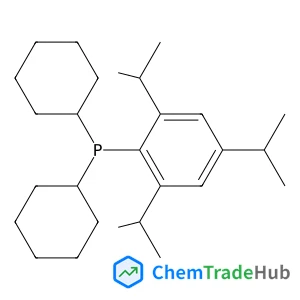
CAS Number
Related Products
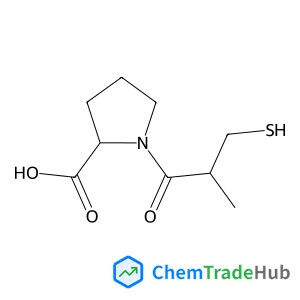
Captopril
CAS Number: 62571-86-2
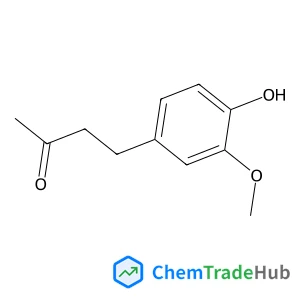
4-(4-Hydroxy-3-methoxyphenyl)-2-butanone
CAS Number: 122-48-5
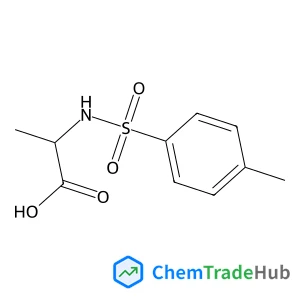
N-Tosyl-L-alanine
CAS Number: 21957-58-4

Alanyl-L-tyrosine
CAS Number: 3061-88-9

Octane-1,2,8-triol
CAS Number: 382631-43-8
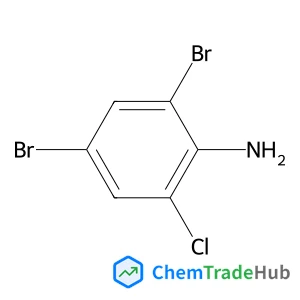
2,4-Dibromo-6-chloroaniline
CAS Number: 874-18-0
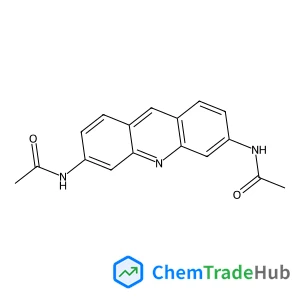
N,N'-3,6-Acridinediyldiacetamide
CAS Number: 15724-70-6
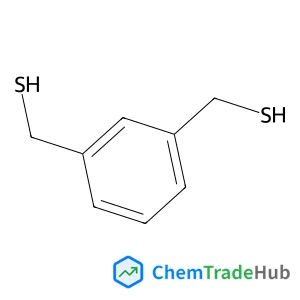
1,3-Phenylenedimethanethiol
CAS Number: 41563-69-3

Other Suppliers for Dicyclohexyl(2,4,6-triisopropylphenyl)phosphine






Basic Information
Molecular Formula
C27H45P
Molecular Weight
400.63 g/mol
Physical Properties
Melting Point
138-140 °C
Boiling Point
479.5±44.0℃ at 760 mmHg
Flash Point
258.549 °C
Chemical Identifiers
SMILES
CC(C1=C(P(C2CCCCC2)C3CCCCC3)C(C(C)C)=CC(C(C)C)=C1)C
InChIKey
DTSPXGRQYHLKLO-UHFFFAOYSA-N
Database References
MDL Number
MFCD11656073
FAQ
Dicyclohexyl(2,4,6-triisopropylphenyl)phosphine is a colorless to yellowish liquid with a molecular weight of approximately 518.6 g/mol. It has a low volatility and poor water solubility. The compound is moderately reactive, especially towards nucleophiles. It is used in organic synthesis and as a ligand in catalysis.
Dicyclohexyl(2,4,6-triisopropylphenyl)phosphine is synthesized by reacting triisopropylphenyl phosphine with dicyclohexyl chloride. Common methods include use of a Lewis acid catalyst like aluminum chloride to enhance the reaction selectivity and yield. The process requires controlled temperature and stirring for several hours.
Dicyclohexyl(2,4,6-triisopropylphenyl)phosphine is primarily used in the pharmaceutical industry for organic synthesis, as well as in the polymer industry for modifying materials and in the semiconductor industry as a ligand in catalysis. It is also used in the development of sensors.
When handling Dicyclohexyl(2,4,6-triisopropylphenyl)phosphine, use appropriate personal protective equipment (PPE) such as gloves and safety goggles. Store in a cool, dry place away from direct sunlight and heat sources. Use a fume hood during operations to minimize inhalation risk. In case of spill, follow the safety data sheet (SDS) guidelines for proper disposal and clean-up.
Safety Notice
Please verify product specifications and safety data before use. Contact the supplier for detailed safety information.
Always follow proper handling procedures
Contact Information
Contact Person
Zhang Zeyuan
Sales-CN@TCIchemicals.com