



AD
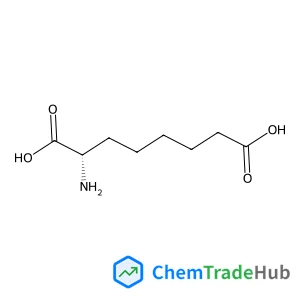
(2S)-2-Aminooctanedioic acid(CAS: 4254-88-0)
CAS Number
Related Products
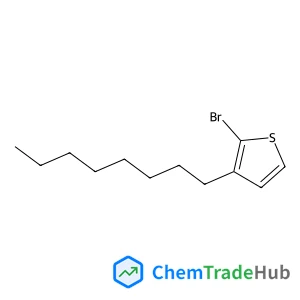
2-Bromo-3-octylthiophene
CAS Number: 145543-83-5
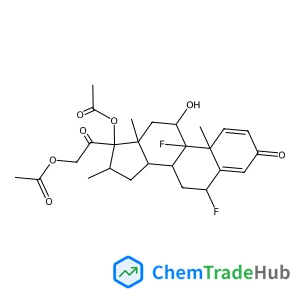
Diflorasone diacetate
CAS Number: 33564-31-7
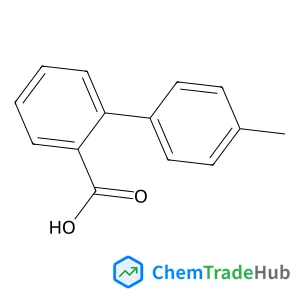
4'-Methyl-2-biphenylcarboxylic acid
CAS Number: 7148-03-0
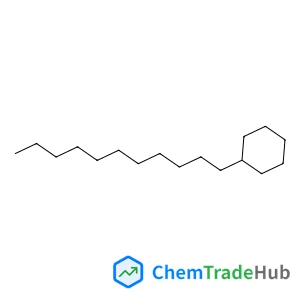
Undecylcyclohexane
CAS Number: 54105-66-7
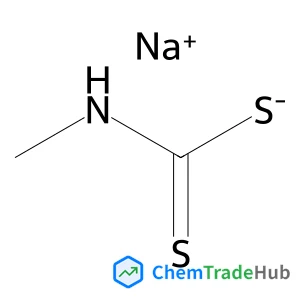
Metam Sodium
CAS Number: 137-42-8
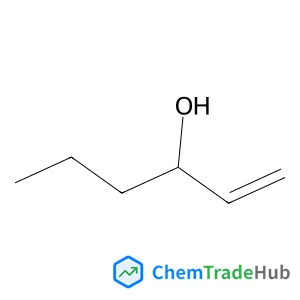
1-Hexen-3-ol
CAS Number: 4798-44-1
![(2S)-Amino[(5S)-3-chloro-4,5-dihydro-1,2-oxazol-5-yl]acetic acid](https://static.chemtradehub.com/structs/422/42228-92-2-8448.webp)
Other Suppliers for (2S)-2-Aminooctanedioic acid



Basic Information
Molecular Formula
C8H15NO4
Molecular Weight
189.21 g/mol
Physical State
Solid
Chemical Identifiers
SMILES
OC(=O)CCCCC[C@@H](C(=O)O)N
InChIKey
YOFPFYYTUIARDI-LURJTMIESA-N
Database References
MDL Number
MFCD00037224
FAQ
The (2S)-2-Aminooctanedioic acid (CAS: 4254-88-0) falls under the European Union's REACH regulation, which requires manufacturers and importers to register substances with the European Chemicals Agency. It also complies with the Globally Harmonized System of Classification and Labelling of Chemicals (GHS), which includes specific handling and storage guidelines. Additionally, the FDA and EPA regulate its use and disposal in the United States, ensuring compliance with safety and environmental standards.
Several alternatives can be used in the synthesis of (2S)-2-Aminooctanedioic acid. Common substitutes include other dicarboxylic acids such as adipic acid or succinic acid, which can serve as precursors for similar chemical reactions. Additionally, synthetic methods using amino acids or their derivatives can provide similar functionalities, though the specific choice depends on the desired application and reaction conditions.
The market for (2S)-2-Aminooctanedioic acid is steadily growing due to its application in biodegradable polymers and as a precursor in pharmaceuticals. Research trends focus on understanding its biological properties and exploring its use in sustainable materials. As the demand for eco-friendly products increases, this compound is likely to see further development and integration into various industries.
Waste containing (2S)-2-Aminooctanedioic acid should be collected in appropriate containers and properly disposed of through professional waste disposal services. Incineration is a common method for disposing of such waste, ensuring complete destruction of the compound. Environmental precautions include minimizing exposure to air and water sources to prevent contamination. Compliance with local regulations and guidelines is essential to ensure safe and environmentally friendly disposal.
Safety Notice
Please verify product specifications and safety data before use. Contact the supplier for detailed safety information.
Always follow proper handling procedures
Contact Information
Contact Person
Jiang Kun
1273554466@qq.com