



AD
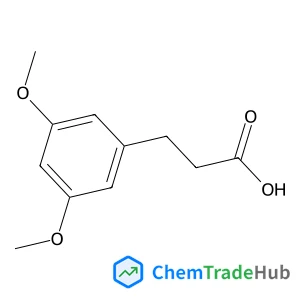
3-(3,5-Dimethoxyphenyl)propanoic acid(CAS: 717-94-2)
CAS Number
Related Products
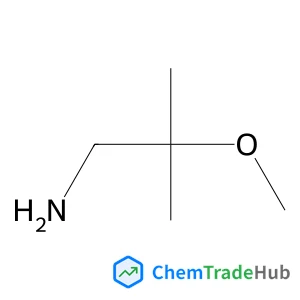
2-Methoxy-2-methyl-1-propanamine
CAS Number: 89282-70-2
![Ethyl 2-[4-(2H-indazol-2-yl)phenyl]propanoate](https://static.chemtradehub.com/structs/812/81265-53-4-c396.webp)
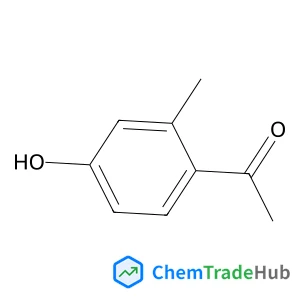
1-(4-Hydroxy-2-methylphenyl)ethanone
CAS Number: 875-59-2
2-Propen-1-ol,3-(1H-imidazol-5-yl)-
CAS Number: 791043-48-6
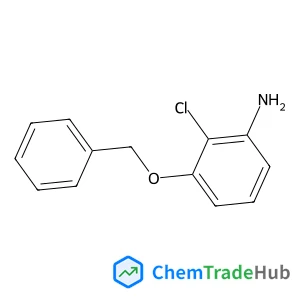
3-(Benzyloxy)-2-chloroaniline
CAS Number: 81912-33-6
![Methyl 5-bromo-3-[(trifluoroacetyl)amino]-2-thiophenecarboxylate](https://static.chemtradehub.com/structs/852/852330-31-5-7ae1.webp)
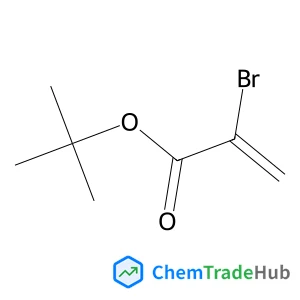
2-Methyl-2-propanyl 2-bromoacrylate
CAS Number: 79762-78-0
Other Suppliers for 3-(3,5-Dimethoxyphenyl)propanoic acid



Basic Information
Molecular Formula
C11H14O4
Molecular Weight
210.23 g/mol
Physical State
Solid
Physical Properties
Melting Point
99 °C
Boiling Point
363.8℃ at 760 mmHg
Flash Point
141.1℃
Chemical Identifiers
SMILES
COC1=CC(=CC(=C1)CCC(=O)O)OC
InChIKey
LMBOJOXVLORKSQ-UHFFFAOYSA-N
Database References
MDL Number
MFCD03425685
FAQ
3-(3,5-Dimethoxyphenyl)propanoic acid (CAS: 717-94-2) is subject to various regulatory guidelines. Under the Globally Harmonized System of Classification and Labelling of Chemicals (GHS), it may require specific hazard communication labels. In the European Union, it falls under the Registration, Evaluation, Authorization and Restriction of Chemicals (REACH) regulations. Additionally, the U.S. Food and Drug Administration (FDA) and Environmental Protection Agency (EPA) may have specific requirements for its handling, storage, and disposal. Always check the most recent regulatory updates to ensure compliance.
There are alternative reagents that can be used in place of 3-(3,5-Dimethoxyphenyl)propanoic acid (CAS: 717-94-2). For instance, other carboxylic acids with similar functional groups can serve as precursors. Common alternatives include 2,4-Dimethoxybenzoic acid or other substituted benzoic acids, which can be used in similar synthetic pathways. The choice of alternative depends on the specific requirements of the synthesis and the desired properties of the final product.
The market for 3-(3,5-Dimethoxyphenyl)propanoic acid (CAS: 717-94-2) is driven by its use in pharmaceuticals, agrochemicals, and functional materials. Research trends indicate growing interest in its application for synthesizing active pharmaceutical ingredients (APIs) and as a precursor in organic synthesis. The demand is expected to rise due to its versatile reactivity and potential in developing new chemical entities. Market analysis suggests a steady increase in demand, with ongoing research focusing on optimizing synthetic routes and exploring new applications.
Waste containing 3-(3,5-Dimethoxyphenyl)propanoic acid (CAS: 717-94-2) should be collected and disposed of in accordance with local and national regulations. Proper handling involves neutralizing the waste to prevent hazardous reactions and then incineration in a controlled environment or professional waste disposal services. Environmental protection precautions include using appropriate personal protective equipment (PPE) and ensuring that the waste does not contaminate soil or water. Always consult local waste management guidelines to ensure compliance with safety and environmental standards.
Safety Notice
Please verify product specifications and safety data before use. Contact the supplier for detailed safety information.
Always follow proper handling procedures
Contact Information
sales@brain-biot.com