



AD
1-(2-Fluoro-3-pyridinyl)ethanone(CAS: 79574-70-2)
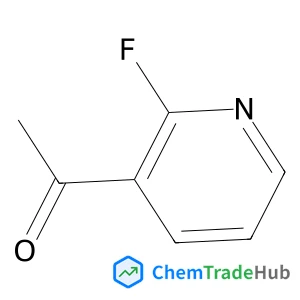
CAS Number
Related Products

Methyl 4-oxochroman-8-carboxylate
CAS Number: 91344-89-7
![N-{[(2-Methyl-2-propanyl)oxy]carbonyl}-4-(trifluoromethyl)-D-phenylalanine](https://static.chemtradehub.com/structs/823/82317-83-7-56fb.webp)

4-Bromo-2-isopropylaniline
CAS Number: 81090-34-8
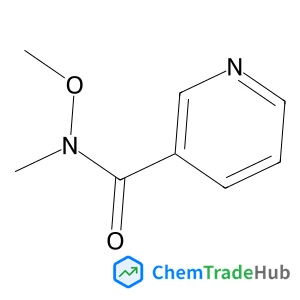
N-Methoxy-N-methylnicotinamide
CAS Number: 95091-91-1
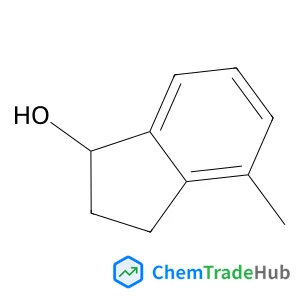
4-Methyl-1-indanol
CAS Number: 67864-03-3

4-(1-Aminoethyl)aniline
CAS Number: 90434-58-5
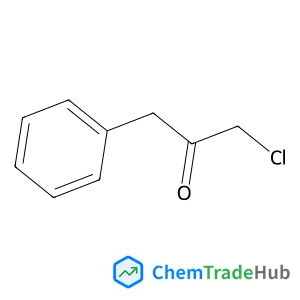
1-Chloro-3-phenylacetone
CAS Number: 937-38-2
![1-[4-(2-Methyl-2-propanyl)phenyl]acetone](https://static.chemtradehub.com/structs/815/81561-77-5-e7b1.webp)
![(3R)-3-Amino-3-[3-(trifluoromethyl)phenyl]propanoic acid](https://static.chemtradehub.com/structs/793/793663-51-1-da69.webp)
Other Suppliers for 1-(2-Fluoro-3-pyridinyl)ethanone





Basic Information
Molecular Formula
C7H6FNO
Molecular Weight
139.13 g/mol
Physical Properties
Boiling Point
232.4 ºC at 760 mmHg
Density
1.175
Flash Point
94.4 ºC
Chemical Identifiers
SMILES
CC(=O)C1=C(N=CC=C1)F
InChIKey
KEEHTCBOJCVCNO-UHFFFAOYSA-N
Database References
MDL Number
MFCD07375072
FAQ
1-(2-Fluoro-3-pyridinyl)ethanone (CAS: 79574-70-2) falls under the classification of chemicals regulated by the Globally Harmonized System of Classification and Labelling of Chemicals (GHS), which includes hazard communication standards. It is also subject to the European Union’s Registration, Evaluation, Authorization, and Restriction of Chemicals (REACH) regulations. In the US, it must comply with the Environmental Protection Agency (EPA) and the Food and Drug Administration (FDA) guidelines concerning its production, use, and disposal.
For synthesis, alternatives to 1-(2-Fluoro-3-pyridinyl)ethanone (CAS: 79574-70-2) include related compounds with similar functional groups, such as 1-(3-pyridinyl)ethanone or 1-(4-fluoro-3-pyridinyl)ethanone. Other synthetic routes might involve using different starting materials or reagents to achieve similar functional group transformations.
The market for 1-(2-Fluoro-3-pyridinyl)ethanone (CAS: 79574-70-2) is growing with increasing research in pharmaceuticals and materials science. Recent trends include its use as a precursor in drug synthesis, especially in medicinal chemistry. Research is also focusing on its potential in organic electronics and catalytic applications.
Waste containing 1-(2-Fluoro-3-pyridinyl)ethanone (CAS: 79574-70-2) should be collected in appropriate containers and stored in a well-ventilated area. Incineration is a common method for disposal, but professional waste disposal services should be utilized to ensure compliance with environmental regulations. Proper protective measures and personal protective equipment (PPE) should be worn during handling and disposal to prevent exposure.
Safety Notice
Please verify product specifications and safety data before use. Contact the supplier for detailed safety information.
Always follow proper handling procedures
Contact Information
sales@labter.com.cn