



AD
3-Chloro-4-pyridinamine(CAS: 19798-77-7)
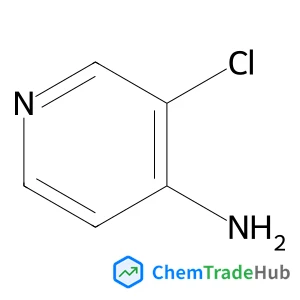
CAS Number
Related Products
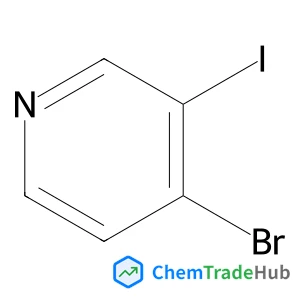
4-Bromo-3-iodopyridine
CAS Number: 89167-20-4
![3,5-Dihydroxy-4-[3-(4-hydroxyphenyl)propanoyl]phenyl beta-D-glucopyranoside](https://static.chemtradehub.com/structs/419/4192-90-9-7dbb.webp)
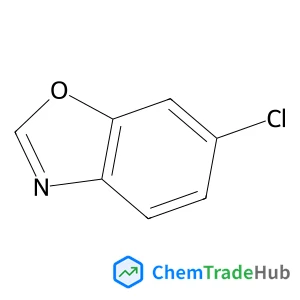
6-Chloro-1,3-benzoxazole
CAS Number: 227197-72-0
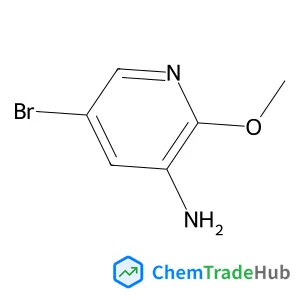
5-Bromo-2-methoxy-3-pyridinamine
CAS Number: 884495-39-0
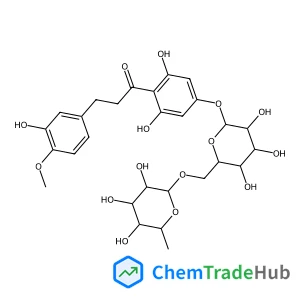
Hesperidin dihydrochalcone
CAS Number: 35573-79-6
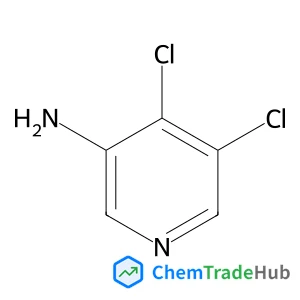
4,5-Dichloropyridin-3-amine
CAS Number: 89284-39-9
Other Suppliers for 3-Chloro-4-pyridinamine






Basic Information
Molecular Formula
C5H5ClN2
Molecular Weight
128.56 g/mol
Physical State
Solid
Physical Properties
Melting Point
58.0 to 62.0 deg-C
Flash Point
105.5℃
Chemical Identifiers
SMILES
C1=CN=CC(=C1N)Cl
InChIKey
KJBKPRMEMJKXDV-UHFFFAOYSA-N
Database References
MDL Number
MFCD03984473
FAQ
3-Chloro-4-pyridinamine (CAS: 19798-77-7) is regulated under the Globally Harmonized System of Classification and Labelling of Chemicals (GHS), which includes classification for health hazards. In the European Union, it is also subject to the Registration, Evaluation, Authorisation and Restriction of Chemicals (REACH) regulation. Additionally, the U.S. Environmental Protection Agency (EPA) and the Food and Drug Administration (FDA) have specific guidelines for manufacturing, handling, and disposal. Companies must comply with all relevant regulations to ensure safe use and disposal of this compound.
While 3-Chloro-4-pyridinamine (CAS: 19798-77-7) is a valuable intermediate in some chemical syntheses, there are alternatives such as 4-pyridinamine and other halogenated derivatives. Common substitutes include 3-fluoro-4-pyridinamine and analogous compounds which can offer similar reactivity patterns. However, the choice of alternative depends on the specific reaction conditions and desired product properties.
The market for 3-Chloro-4-pyridinamine (CAS: 19798-77-7) reflects its use in pharmaceuticals and agrochemicals. Research trends indicate increasing interest in its use as a precursor for developing new drugs and agrochemicals. Market dynamics show a steady demand, with price stability due to its established role in various industries. Emerging research focuses on its applications in targeted drug delivery and crop protection strategies.
Waste containing 3-Chloro-4-pyridinamine (CAS: 19798-77-7) should be collected in appropriate containers and stored in a well-ventilated area. For disposal, incineration is a common method, but professional waste disposal services are recommended for larger quantities or when specific regulatory requirements apply. Environmental protection measures include neutralizing any residual chlorine compounds before disposal to prevent environmental contamination. Compliance with local and national hazardous waste regulations is essential to handle this waste safely.
Safety Notice
Please verify product specifications and safety data before use. Contact the supplier for detailed safety information.
Always follow proper handling procedures
Contact Information
52513593@qq.com
Mobile
18905173768
Telephone
025-83263139
Visit Website
http://www.dolonchem.com/