



AD
D-Guluronic acid(CAS: 15769-56-9)
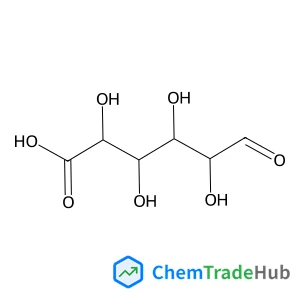
CAS Number
Related Products
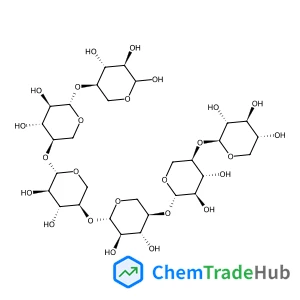
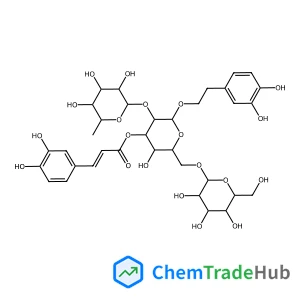
Magnoloside B
CAS Number: 116872-05-0
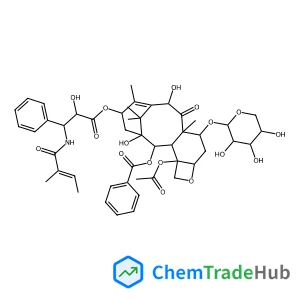
7-Xylosyl-10-deacetyltaxol B
CAS Number: 90332-64-2
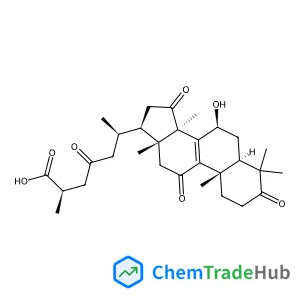
Ganoderic acid C1
CAS Number: 95311-97-0
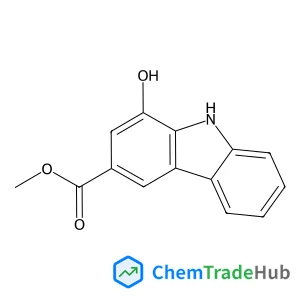
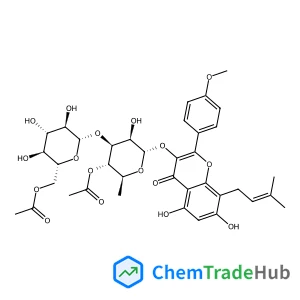
![1-O-[(2alpha,3alpha)-2-Hydroxy-24,28-dioxo-3-{[3-O-(beta-D-xylopyranosyl)-beta-D-glucopyranuronosyl]oxy}olean-12-en-28-yl]-beta-D-glucopyranose](https://static.chemtradehub.com/structs/162/1623405-28-6-0a69.webp)
![(1S,2S,4R,8S,9R,11R,12R)-1,12-Dihydroxy-2,11-dimethyl-7-methylene-6-oxo-5,14-dioxatricyclo[9.2.1.0~4,8~]tetradec-9-yl 2-methylpropanoate](https://static.chemtradehub.com/structs/599/59979-61-2-41ef.webp)
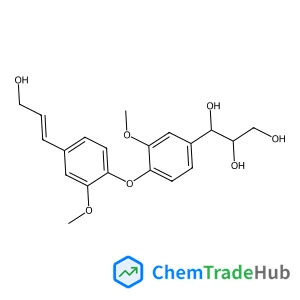
Other Suppliers for D-Guluronic acid


Basic Information
Molecular Formula
C6H10O7
Molecular Weight
194.14 g/mol
Chemical Identifiers
SMILES
C(=O)C(C(C(C(C(=O)O)O)O)O)O
InChIKey
IAJILQKETJEXLJ-KLVWXMOXSA-N
Database References
MDL Number
MFCD30533975
FAQ
D-Guluronic acid (CAS: 15769-56-9) is subject to various regulatory guidelines. In the European Union, it is regulated under REACH (Registration, Evaluation, Authorisation and Restriction of Chemicals) for its use in industrial and consumer products. In the U.S., the FDA may regulate it for food or pharmaceutical applications, while the EPA oversees its handling in environmental contexts. Users should ensure compliance with local and international regulations regarding labeling, storage, and disposal.
In synthesis, there are several alternatives to D-Guluronic acid (CAS: 15769-56-9), such as D-Galacturonic acid and D-Mannuronic acid, which are structural analogs. Other substitutes include chemical precursors like 2-keto-3-deoxy-d-gluconic acid. These alternatives can be used depending on the specific requirements of the synthesis process, offering flexibility in chemical reactivity and properties.
The market for D-Guluronic acid (CAS: 15769-56-9) is growing due to its increasing use in biomedical applications, particularly in the production of hydrogels for tissue engineering and drug delivery systems. Research trends are focusing on its applications in biodegradable polymers and as a component in cosmetics for its moisturizing properties. Additionally, there is ongoing exploration of its potential in wound healing and as an antioxidant.
Waste containing D-Guluronic acid (CAS: 15769-56-9) should be handled carefully to prevent environmental contamination. It is recommended to collect waste liquids in appropriate containers and ensure proper labeling. For large quantities or hazardous waste, professional waste disposal services should be utilized. Incineration is a common method for disposal, but users should check local regulations regarding waste disposal methods to ensure compliance with environmental protection laws.
Safety Notice
Please verify product specifications and safety data before use. Contact the supplier for detailed safety information.
Always follow proper handling procedures
