



AD
3-Hydroxypyrrolidine hydrochloride(CAS: 86070-82-8)

CAS Number
Related Products
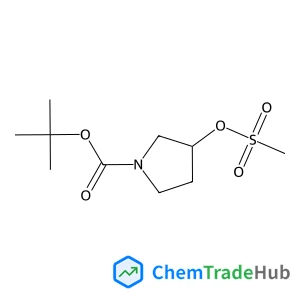
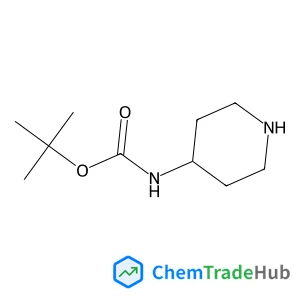
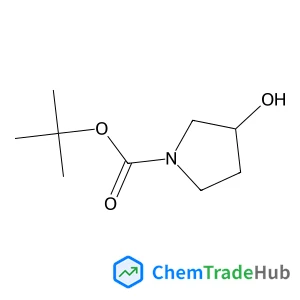

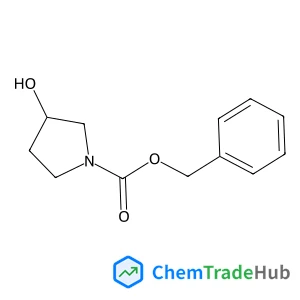
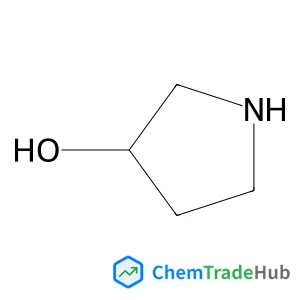
3-Pyrrolidinol
CAS Number: 40499-83-0
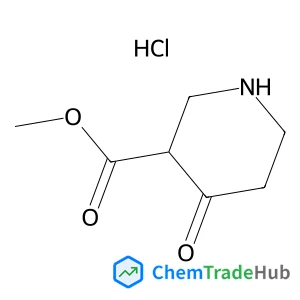
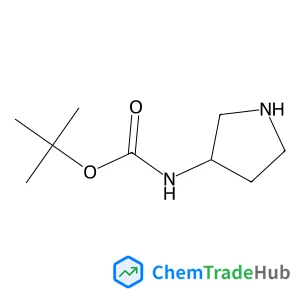
![(2R,3R)-2,3-Dihydroxysuccinic acid - 2,2-diphenyl-2-[(3S)-3-pyrrolidinyl]acetamide (1:1)](https://static.chemtradehub.com/structs/134/134002-26-9-61df.webp)
Other Suppliers for 3-Hydroxypyrrolidine hydrochloride



Basic Information
Molecular Formula
C4H10ClNO
Molecular Weight
123.58 g/mol
Physical State
White to Yellow Solid
Physical Properties
Melting Point
100-105°C
Flash Point
105.8℃
Chemical Identifiers
SMILES
C1CNCC1O.Cl
InChIKey
QPMSJEFZULFYTB-UHFFFAOYSA-N
Database References
MDL Number
MFCD03001754
FAQ
3-Hydroxypyrrolidine hydrochloride is a colorless to white crystalline powder with a molecular weight of approximately 172.67 g/mol. It is sparingly soluble in water and more soluble in polar solvents like ethanol. Physically, it has a pungent odor. Chemically, it is stable under normal conditions but is reactive towards bases and can hydrolyze to form 3-hydroxypyrrolidine under basic conditions.
3-Hydroxypyrrolidine hydrochloride is typically synthesized by the hydrochloric acid treatment of 3-hydroxypyrrolidine. This reaction is carried out under mild conditions, and the product is isolated by crystallization from an aqueous solution. The reaction is selective and yields a high purity product.
3-Hydroxypyrrolidine hydrochloride is used in the pharmaceutical industry for drug synthesis and modification. It is also utilized in the polymer industry for the preparation of functional polymers. Additionally, it has applications in the sensor industry as a material for constructing chemical sensors and in the semiconductor industry for specific processing steps.
What precautions should be taken when handling 3-Hydroxypyrrolidine hydrochloride (CAS: 86070-82-8)?
When handling 3-Hydroxypyrrolidine hydrochloride, safety glasses and gloves should be worn to protect against potential eye and skin irritation. Work should be carried out in a well-ventilated area or a fume hood. In case of a spill, it should be wiped up carefully and disposed of according to local waste regulations. Always refer to the Safety Data Sheet (SDS) for detailed safety information and emergency procedures.
Safety Notice
Please verify product specifications and safety data before use. Contact the supplier for detailed safety information.
Always follow proper handling procedures