



AD
7-Chloro-3,4-dihydro-2(1H)-naphthalenone(CAS: 17556-19-3)
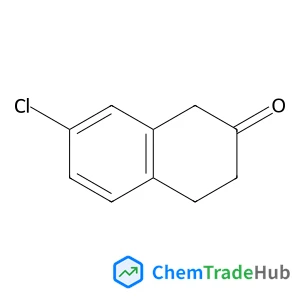
CAS Number
Related Products
![1H,2H,3H,4H-thieno[3,2-d]pyrimidine-2,4-dione](https://static.chemtradehub.com/structs/162/16233-51-5-58e6.webp)
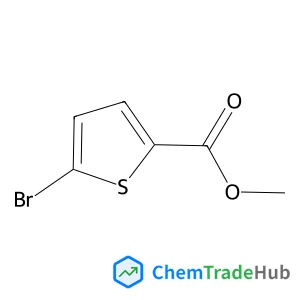
Methyl 5-bromo-2-thiophenecarboxylate
CAS Number: 62224-19-5
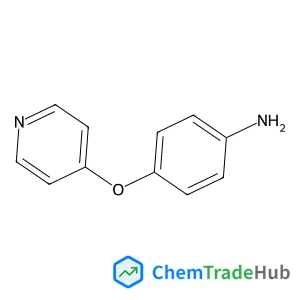
4-(pyridin-4-yloxy)aniline
CAS Number: 102877-78-1
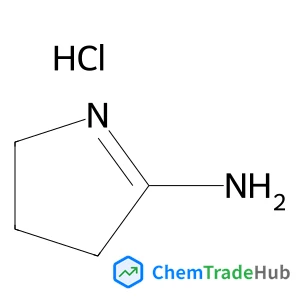
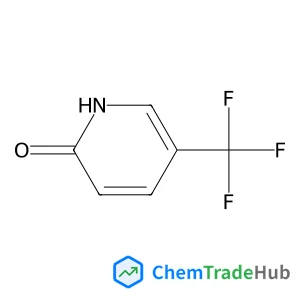
5-(Trifluoromethyl)-2-pyridinol
CAS Number: 33252-63-0
![6-Chloro-1H-pyrrolo[2,3-b]pyridine](https://static.chemtradehub.com/structs/550/55052-27-2-5669.webp)
6-Chloro-1H-pyrrolo[2,3-b]pyridine
CAS Number: 55052-27-2
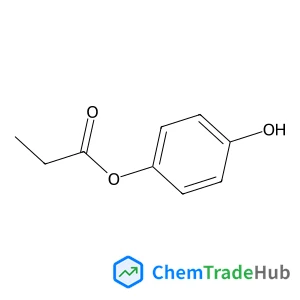
4-Hydroxyphenyl propionate
CAS Number: 3233-34-9
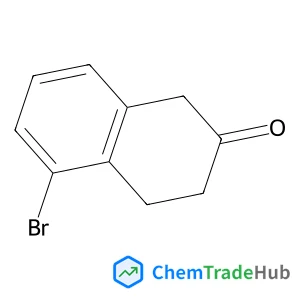
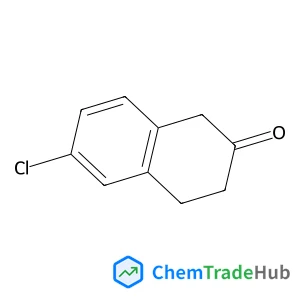
Other Suppliers for 7-Chloro-3,4-dihydro-2(1H)-naphthalenone




Basic Information
Molecular Formula
C10H9ClO
Molecular Weight
180.63 g/mol
Chemical Identifiers
SMILES
C1CC2=C(CC1=O)C=C(C=C2)Cl
InChIKey
CSIHHNSBJNDXNO-UHFFFAOYSA-N
Database References
MDL Number
MFCD04038575
FAQ
7-Chloro-3,4-dihydro-2(1H)-naphthalenone (CAS: 17556-19-3) is a crystalline solid with a molecular weight of approximately 225.67 g/mol. It has a low water solubility and is soluble in organic solvents such as ethanol and acetone. This compound is known for its reactivity, particularly in nucleophilic substitution reactions. It also exhibits moderate stability under normal conditions but should be stored away from moisture and heat to prevent degradation.
7-Chloro-3,4-dihydro-2(1H)-naphthalenone (CAS: 17556-19-3) is commonly synthesized via the Claisen condensation of 2-naphthol with chloroacetyl chloride. The reaction typically yields a mixture with other products, but through crystallization and recrystallization, the desired compound can be isolated. The use of appropriate catalysts and solvents can improve selectivity and yield, making the process more efficient and environmentally friendly.
7-Chloro-3,4-dihydro-2(1H)-naphthalenone (CAS: 17556-19-3) is primarily used in the pharmaceutical industry for the synthesis of active pharmaceutical ingredients (APIs) due to its structural features. It also finds applications in the polymer industry for the development of specific polymer additives and in the electronics industry for the production of semiconductors and other electronic components. Additionally, it has some uses in the sensor industry for developing gas sensors.
When handling 7-Chloro-3,4-dihydro-2(1H)-naphthalenone (CAS: 17556-19-3), it is important to wear appropriate personal protective equipment (PPE), including gloves, goggles, and a lab coat. This compound should be used in a well-ventilated area or a fume hood to minimize exposure. Spills should be cleaned up immediately using appropriate absorbents, and the area should be flushed with water. Always refer to the safety data sheet (SDS) for detailed handling and disposal guidelines to ensure safety during laboratory operations.
Safety Notice
Please verify product specifications and safety data before use. Contact the supplier for detailed safety information.
Always follow proper handling procedures
Contact Information
information@chemscene.com