



AD
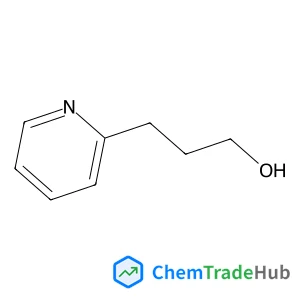
3-(2-Pyridinyl)-1-propanol(CAS: 2859-68-9)
CAS Number
Related Products
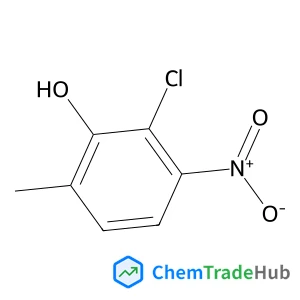
2-Chloro-6-methyl-3-nitrophenol
CAS Number: 39183-20-5
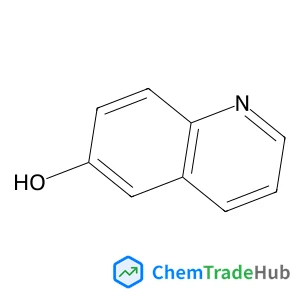
6-Quinolinol
CAS Number: 580-16-5
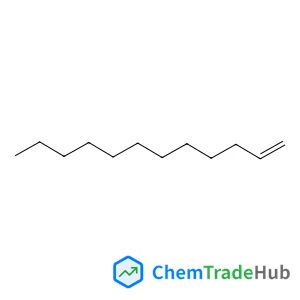
1-Dodecene
CAS Number: 112-41-4
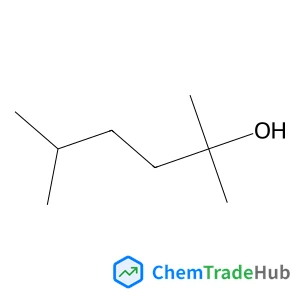
2,5-Dimethyl-2-hexanol
CAS Number: 3730-60-7
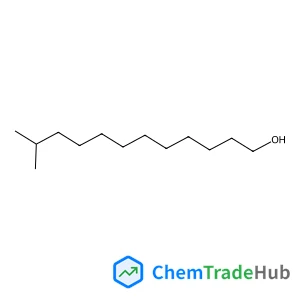
11-Methyl-1-dodecanol
CAS Number: 68526-86-3
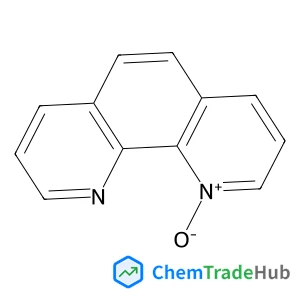
1,10-Phenanthroline 1-oxide
CAS Number: 1891-19-6
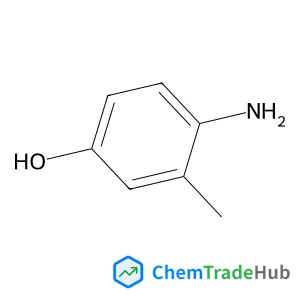
4-Amino-3-methylphenol
CAS Number: 2835-99-6
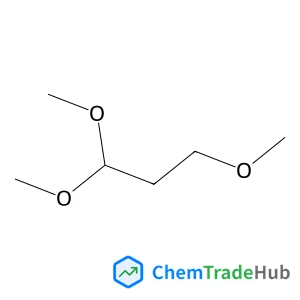
1,1,3-Trimethoxypropane
CAS Number: 14315-97-0
Other Suppliers for 3-(2-Pyridinyl)-1-propanol





Basic Information
Molecular Formula
C8H11NO
Molecular Weight
137.18 g/mol
Physical Properties
Melting Point
34°C
Boiling Point
100-102 ºC (2 mmHg)
Flash Point
>110 ºC
Chemical Identifiers
SMILES
C1=CC=NC(=C1)CCCO
InChIKey
FVZXYJDGVYLMDB-UHFFFAOYSA-N
Database References
MDL Number
MFCD00051503
FAQ
3-(2-Pyridinyl)-1-propanol (CAS: 2859-68-9) is subject to various regulatory guidelines under the GHS (Globally Harmonized System of Classification and Labelling of Chemicals) for hazardous substances. It falls under the category of chemicals that are potentially harmful to the environment and human health. In the European Union, it is covered by the REACH regulations (Registration, Evaluation, Authorization, and Restriction of Chemicals) which require manufacturers and importers to register substances of more than one tonne per year. Additionally, the FDA (Food and Drug Administration) and EPA (Environmental Protection Agency) have specific guidelines for the use and disposal of such compounds in the context of pharmaceuticals and environmental protection.
There are several alternatives to 3-(2-Pyridinyl)-1-propanol (CAS: 2859-68-9) that can be used in synthesis, depending on the desired functional groups and reactivity. For instance, 2-pyridyl ethanol and other similar pyridyl alcohols can serve as alternatives. Additionally, other heterocyclic alcohols like morpholine or pyrrolidine can be considered. These alternatives offer similar functionality and can be used in a variety of chemical reactions, making them viable substitutes in different synthesis routes.
The market for 3-(2-Pyridinyl)-1-propanol (CAS: 2859-68-9) is driven by its application in pharmaceuticals, pesticides, and organic synthesis. Research trends are focused on exploring its use in developing new drugs and agrochemicals. The demand is increasing due to its potential in creating more effective and selective compounds. Market analysis indicates a steady growth, with a focus on sustainable and eco-friendly synthetic methods. Emerging research is also investigating its role in catalysis and as a precursor in various organic transformations.
Waste containing 3-(2-Pyridinyl)-1-propanol (CAS: 2859-68-9) should be handled with care to ensure environmental protection and compliance with regulations. Collection of the waste should be done in appropriate containers and labeled correctly. Proper incineration or professional waste disposal services should be utilized to avoid environmental contamination. Precautions should be taken to prevent spills and ensure the waste is managed according to local and international environmental protection standards. It is advisable to consult the Material Safety Data Sheet (MSDS) and relevant regulations for specific disposal procedures.
Safety Notice
Please verify product specifications and safety data before use. Contact the supplier for detailed safety information.
Always follow proper handling procedures
Contact Information
Contact Person
Fang Chao
3003755934@qq.com