



AD
N,N,N-Trimethyl-1-octadecanaminium iodide(CAS: 4292-25-5)
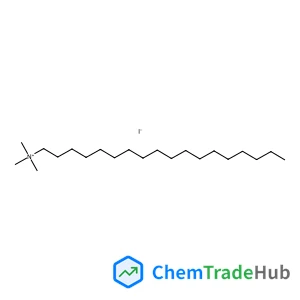
CAS Number
Related Products
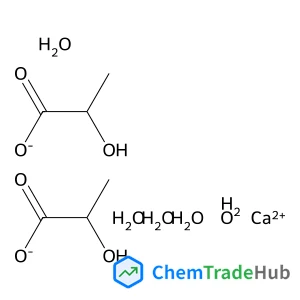
Calcium Lactate Pentahydrate
CAS Number: 5743-47-5
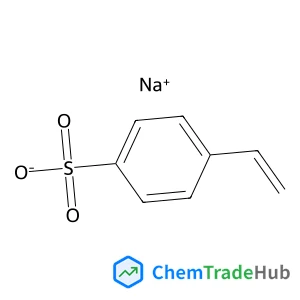
Sodium 4-vinylbenzenesulfonate
CAS Number: 2695-37-6
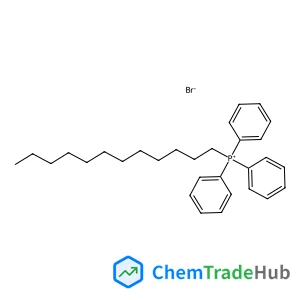
Dodecyl(triphenyl)phosphonium bromide
CAS Number: 15510-55-1
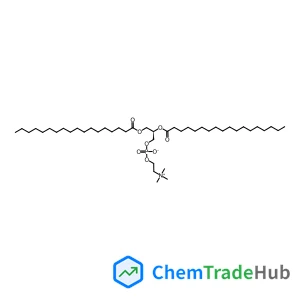
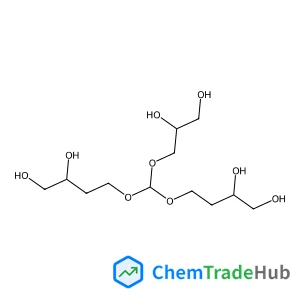
Poly(Propylene Glycol)
CAS Number: 25791-96-2
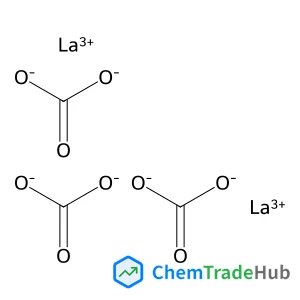
LANTHANUM CARBONATE
CAS Number: 587-26-8
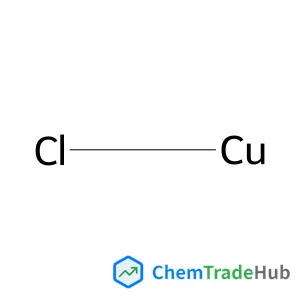
Copper(1+) chloride
CAS Number: 1344-67-8
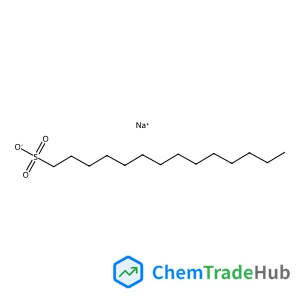
Sodium 1-tetradecanesulfonate
CAS Number: 6994-45-2
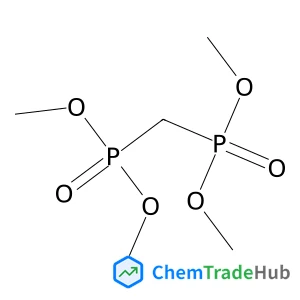
Tetramethyl methylenebis(phosphonate)
CAS Number: 16001-93-7
Other Suppliers for N,N,N-Trimethyl-1-octadecanaminium iodide



Basic Information
Molecular Formula
C21H46IN
Molecular Weight
439.5 g/mol
Chemical Identifiers
SMILES
[I-].C(CCCC[N+](C)(C)C)CCCCCCCCCCCCC
InChIKey
HIACZXUUKNSHAN-UHFFFAOYSA-M
Database References
MDL Number
MFCD00959638
FAQ
N,N,N-Trimethyl-1-octadecanaminium iodide (CAS: 4292-25-5) must comply with the Globally Harmonized System of Classification and Labelling of Chemicals (GHS), REACH regulations for European manufacturers, and FDA/EPA guidelines for use in the United States. It is classified as a surfactant and requires proper handling, storage, and disposal to ensure safety and environmental protection.
There are alternative surfactants that can be used in synthesis, such as N,N,N-Trimethyl-1-hexadecanaminium iodide and N,N,N-Trimethyl-1-tetradecanaminium iodide. These alternatives may offer similar properties but with different molecular structures, making them suitable for various applications based on specific requirements.
What is the market or research trend for N,N,N-Trimethyl-1-octadecanaminium iodide (CAS: 4292-25-5)?
The market for N,N,N-Trimethyl-1-octadecanaminium iodide (CAS: 4292-25-5) is driven by its use in personal care and cleaning products. Research trends focus on developing more environmentally friendly surfactants and understanding their biodegradability. The market is expected to grow as industries seek sustainable alternatives while maintaining efficacy.
Waste containing N,N,N-Trimethyl-1-octadecanaminium iodide (CAS: 4292-25-5) should be collected in appropriate containers and disposed of through professional waste disposal services. Incineration is a common method, but ensure it meets emission standards. Environmental precautions include minimizing waste generation and proper labeling of containers to avoid contamination or accidental release during transport and disposal.
Safety Notice
Please verify product specifications and safety data before use. Contact the supplier for detailed safety information.
Always follow proper handling procedures
Contact Information
Contact Person
Manager Shi
1373640151@qq.com