



AD
2,3,6-Trichloropyridine(CAS: 29154-14-1)
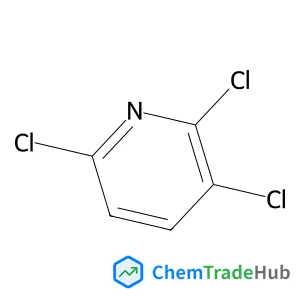
CAS Number
Related Products
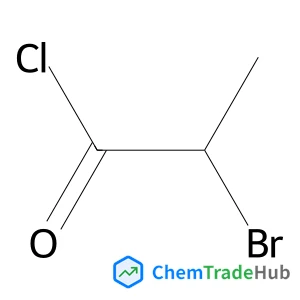
2-Bromopropanoyl chloride
CAS Number: 7148-74-5
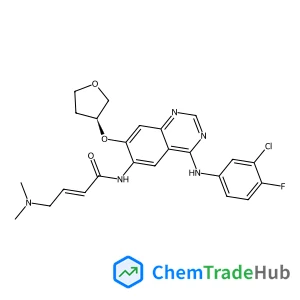
Afatinib (BIBW 2992)
CAS Number: 850140-72-6
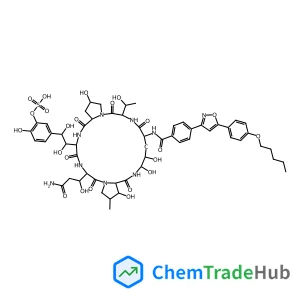
Micafungin (DISCONTINUED)
CAS Number: 235114-32-6
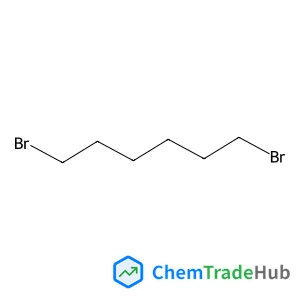
1,6-Dibromohexane
CAS Number: 629-03-8
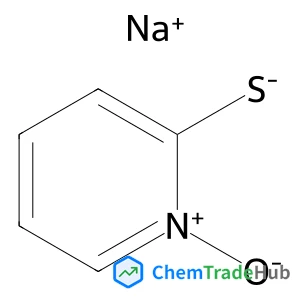
![N-[(1R)-1-(Dihydroxyboryl)-3-methylbutyl]-Nalpha-(2-pyrazinylcarbonyl)-L-phenylalaninamide](https://static.chemtradehub.com/structs/179/179324-69-7-701f.webp)
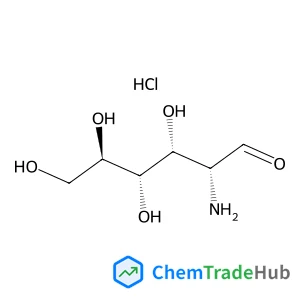
Glucosamine hydrochloride
CAS Number: 66-84-2
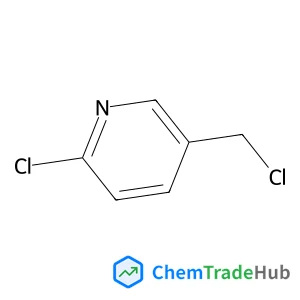
2-Chloro-5-(chloromethyl)pyridine
CAS Number: 70258-18-3
Other Suppliers for 2,3,6-Trichloropyridine




Basic Information
Molecular Formula
C5H2Cl3N
Molecular Weight
182.44 g/mol
Physical Properties
Melting Point
66-68°C
Chemical Identifiers
SMILES
C1=CC(=NC(=C1Cl)Cl)Cl
InChIKey
GPAKJVMKNDXBHH-UHFFFAOYSA-N
Database References
MDL Number
MFCD00463516
FAQ
2,3,6-Trichloropyridine (CAS: 29154-14-1) is regulated under the Globally Harmonized System (GHS) for Classification and Labeling of Chemicals, REACH regulations in the EU, and FDA/EPA guidelines in the United States. It is classified as a hazardous substance due to its flammability and potential health hazards. Companies must follow proper handling, storage, and disposal procedures to meet regulatory requirements.
There are several alternatives to 2,3,6-Trichloropyridine for synthesis, such as 2,3,5-Trichloropyridine and 2,4,6-Trichloropyridine. These compounds can serve similar purposes in various reactions. Other alternatives include using different types of halogenated pyridines, depending on the specific needs of the synthesis.
The market for 2,3,6-Trichloropyridine (CAS: 29154-14-1) is primarily driven by its applications in pharmaceuticals, agrochemicals, and electronic materials. Research trends indicate a focus on understanding its biological activities and exploring its potential in new drug discovery and pesticide development. Market demand is expected to grow as new applications are discovered.
Waste containing 2,3,6-Trichloropyridine (CAS: 29154-14-1) should be collected in appropriate, labeled containers and stored separately. It should be treated as hazardous waste and disposed of through a professional waste disposal service. Environmental protection precautions include proper ventilation and personal protective equipment to prevent exposure. Safe incineration or chemical neutralization is recommended for disposal.
Safety Notice
Please verify product specifications and safety data before use. Contact the supplier for detailed safety information.
Always follow proper handling procedures