



AD
3-Iodobenzaldehyde(CAS: 696-41-3)
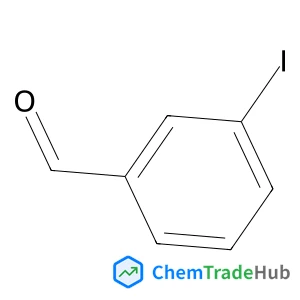
CAS Number
Related Products
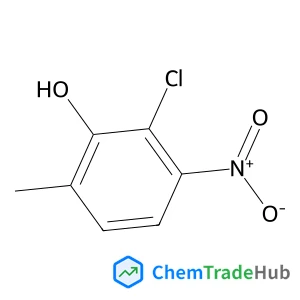
2-Chloro-6-methyl-3-nitrophenol
CAS Number: 39183-20-5
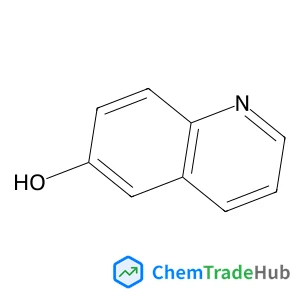
6-Quinolinol
CAS Number: 580-16-5
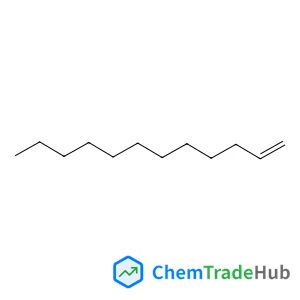
1-Dodecene
CAS Number: 112-41-4
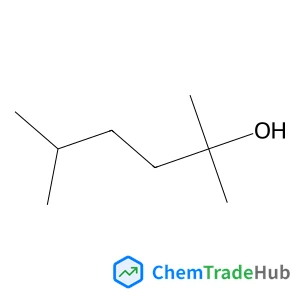
2,5-Dimethyl-2-hexanol
CAS Number: 3730-60-7
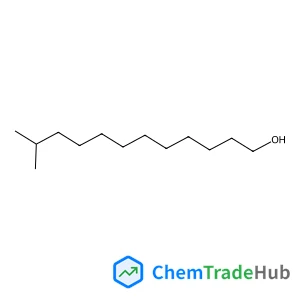
11-Methyl-1-dodecanol
CAS Number: 68526-86-3
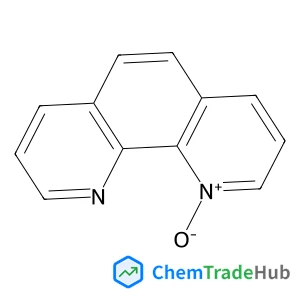
1,10-Phenanthroline 1-oxide
CAS Number: 1891-19-6
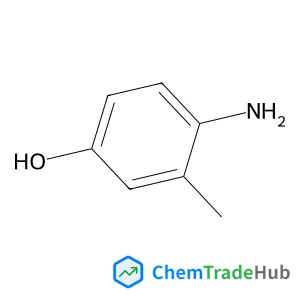
4-Amino-3-methylphenol
CAS Number: 2835-99-6
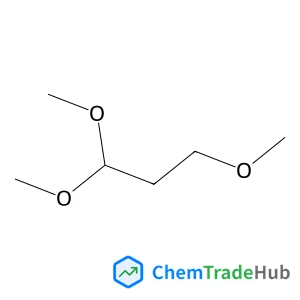
1,1,3-Trimethoxypropane
CAS Number: 14315-97-0
Other Suppliers for 3-Iodobenzaldehyde





Basic Information
Molecular Formula
C7H5IO
Molecular Weight
232.02 g/mol
Physical State
Pale-yellow to Yellow-brown Solid
Physical Properties
Melting Point
56.0 to 61.0 deg-C
Boiling Point
125°C/13mmHg(lit.)
Density
1.8576 (estimate)
Flash Point
124-125℃/13mm
Water Solubility
Slightly soluble in water.
Chemical Identifiers
SMILES
C1=CC(=CC(=C1)I)C=O
InChIKey
RZODAQZAFOBFLS-UHFFFAOYSA-N
Database References
MDL Number
MFCD00039573
Beilstein Registry Number
1854653
FAQ
3-Iodobenzaldehyde (CAS: 696-41-3) is a colorless to pale yellow liquid with a molecular weight of approximately 224.22 g/mol. It has a high boiling point of 202-204°C and a low solubility in water, making it more soluble in organic solvents. It is moderately reactive, particularly towards nucleophiles, and can undergo electrophilic aromatic substitution reactions.
3-Iodobenzaldehyde (CAS: 696-41-3) is synthesized through the reaction of benzaldehyde with iodine in the presence of a Lewis acid catalyst such as aluminum chloride. The reaction is selective and yields a high purity product, making it a common method for industrial synthesis.
3-Iodobenzaldehyde (CAS: 696-41-3) is used extensively in the pharmaceutical industry for the synthesis of various chemical intermediates and drugs. It is also utilized in the polymer industry for the development of functionalized polymers and in the sensor industry for the fabrication of gas sensors.
When handling 3-Iodobenzaldehyde (CAS: 696-41-3), it is crucial to wear appropriate personal protective equipment (PPE), including gloves, safety goggles, and a lab coat. The substance should be handled in a well-ventilated area or a fume hood. Spills should be cleaned up using appropriate absorbents, and the area should be well-ventilated. Always consult the Safety Data Sheet (SDS) for detailed handling and disposal instructions.
Safety Notice
Please verify product specifications and safety data before use. Contact the supplier for detailed safety information.
Always follow proper handling procedures
Contact Information
Contact Person
Fang Chao
3003755934@qq.com